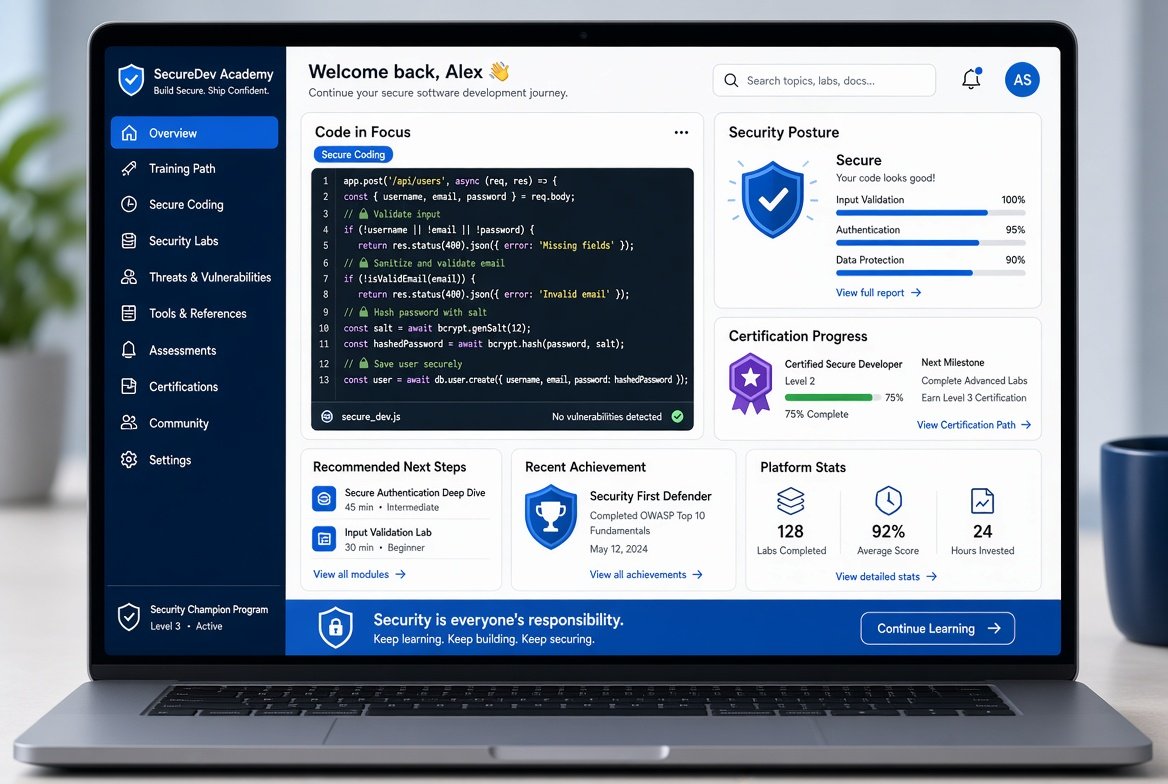
In today’s digital world, writing code is not enough. Developers also need to write secure code. One training path that focuses heavily on practical skills is the RCSDASSK program (closely related to the Reflare Certified Secure Developer style of training). This program stands out because it replaces traditional exams with real hands-on challenges inside live virtual machines.
Instead of memorizing definitions, learners actually perform attacks and then apply the correct defenses. This approach helps build muscle memory and real confidence. In this detailed guide, we will explore what the RCSDASSK program is, how it is structured, who should take it, and how it can improve your software development skills.
What Exactly Is the RCSDASSK Program?
The RCSDASSK program is a practical secure-coding training track. It is designed for developers who want to move beyond theory. Every major lesson requires the student to apply an attack technique or a defense technique inside a controlled virtual machine environment. Only after successfully completing the challenge can the learner progress to the next module.
This method is very different from most online courses that rely on videos and multiple-choice quizzes. Here, the focus is on doing. The minimum time commitment is relatively short (around four hours of focused work), yet the learning is dense and highly applicable to real projects.
The program covers the most common and dangerous web application vulnerabilities. These include cross-site scripting, SQL injection, command injection, file upload issues, authentication weaknesses, session problems, and authorization flaws. It also touches on logging, environment separation, and other defensive practices that professional teams use every day.
Core Modules Covered in the RCSDASSK Program
The training is organized into clear, progressive lessons. Below is a typical structure that learners can expect:
- Introduction and How-To – Setting up the environment and understanding the challenge format
- Input Validation – Cross-Site Scripting (XSS)
- Client-Side Input Validation
- Input Validation – SQL Injection (SQLi)
- Input Validation – Command Injection (CMDi)
- Input Validation – File Uploads
- Remote File Inclusion (RFI)
- Forced Browsing
- Directory Traversal
- Authentication
- Session Management
- Authorisation
- Sniffing, Man-in-the-Middle, and SSL
- Open Redirects
- Cross-Site Request Forgery (CSRF)
- Information Leakage
- Browser Security Measures
- Simple Scanner Usage
- XPath Injection
- Buffer Overflows
- Secure Cryptographic Storage
- Encrypted Databases
- Logging
- Environment Separation
- Closing Thoughts and Best Practices
Each module builds on the previous one. By the end, learners have practiced both offensive and defensive techniques in a safe environment. This dual approach is extremely valuable because understanding how an attack works makes it much easier to prevent it.
Who Should Join the RCSDASSK Program?
This training is ideal for several groups of professionals:
- Backend and full-stack developers who want to reduce security bugs in their code
- Junior application security engineers building practical experience
- Team leads who need a consistent security baseline for their developers
- QA engineers who want to write better security test cases
- Anyone preparing for roles that require secure coding knowledge
If your work involves user data, payment processing, APIs, or any public-facing application, the skills taught in the RCSDASSK program are highly relevant. Even experienced developers often discover gaps when they work through the live challenges.
Key Benefits of Completing the RCSDASSK Program
There are several clear advantages to this style of training:
- Real practical confidence – You do not just read about SQL injection; you actually exploit and then fix it.
- Better code reviews – After completing the modules, you start noticing risky patterns much faster during peer reviews.
- Stronger collaboration with security teams – You speak the same language as security specialists and can discuss issues more productively.
- Interview advantage – You can describe concrete challenges you solved instead of only listing theoretical knowledge.
- Reduced production incidents – Teams that invest in this type of training usually see fewer security-related bugs reaching production.
These benefits become even more powerful when combined with continuous improvement of existing systems. For example, understanding error patterns and reliability issues is essential. You can explore related topics such as HCS 411GITS error codes and practical ways to improve software HCS 411GITS for better long-term stability.
How the Hands-On Learning Model Works
The biggest strength of the RCSDASSK program is its challenge-based progression. After watching a short explanation, the learner is placed inside a virtual machine that contains a vulnerable application. The task is either to successfully exploit the vulnerability or to implement the correct defense. Only after the system verifies the solution does the next lesson unlock.
This model forces active learning. Passive watching is not enough. You must think, try, fail, adjust, and finally succeed. That process creates much stronger memory retention than traditional video courses.
Many learners report that the short total duration (around four hours of focused work) still feels intense because every minute is spent solving real problems rather than listening to lectures.
Best Practices for Getting Maximum Value
To gain the most from the RCSDASSK program, follow these practical tips:
- Treat every lab as if it were a production system. Write short notes about what went wrong and how you fixed it.
- Review the logs after each challenge. Understanding the system’s reaction is often as valuable as the fix itself.
- Map the lessons to your real tech stack. If you work with Node.js, Java, or Python, think about how the same vulnerability would appear in your code.
- Discuss findings with teammates. Sharing what you learned multiplies the value for the whole group.
- Combine the training with ongoing study of industry standards. High-quality external references such as the OWASP project provide excellent complementary material on secure development practices.
How the RCSDASSK Program Fits Into Broader Software Improvement
Secure coding is only one part of building reliable software. Understanding error codes, improving system stability, and protecting digital assets are all connected. Teams that invest in practical security training often also look at tools that help protect creative and visual assets. In that context, solutions such as GFXRobotection AI software by GFXMaker and general graphic design software GFXRobotection can play a supporting role when the work involves visual content and digital rights.
By combining hands-on secure coding skills with better error handling and asset protection, development teams create a stronger overall engineering culture.
Final Thoughts
The RCSDASSK program offers a clear, practical path for developers who want to improve their ability to write secure code. Its focus on live challenges inside virtual machines makes the learning memorable and immediately useful. Whether you are an individual developer looking to grow or a team lead wanting to raise the security baseline, this style of training delivers measurable value.
If you are serious about reducing vulnerabilities and building more trustworthy software, investing a few focused hours in the RCSDASSK program is a smart and efficient step forward.