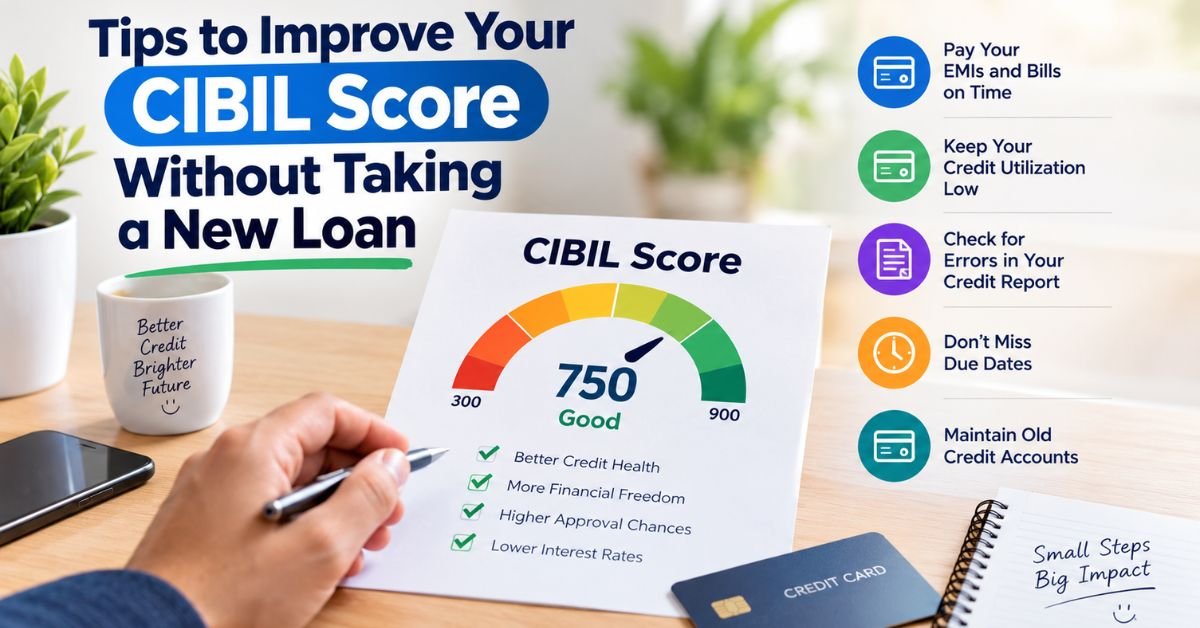
Being an important part of your financial profile, your CIBIL score reflects an applicant’s credit behaviour and influences how lenders assess your creditworthiness when you make a loan application. A good CIBIL score (more than 700) shows the responsible management of existing obligations and a strong financial profile.
However, it is not necessary to apply for a new loan just to build or improve your credit profile. From paying your existing dues to reviewing the credit report, there are several practices that can help you improve credit score without loan. Consistent financial discipline is the key to gradually making a difference. Here are some tips to improve your score without taking on new credit.
1. Pay Existing EMIs and Bills on Time
One of the key factors that can help improve your credit profile is your payment history. It negatively affects your creditworthiness when you miss loan EMIs or credit card payments.
To make sure you pay your dues before the due date, it is always advised to set reminders or enable automatic payment facilities. Paying the balance amount within the deadline avoids extra charges and negative marks. So, consistently make the payment on time, increase CIBIL score over time, and show responsible credit management.
2. Keep Credit Utilisation Low
The percentage of your available credit within which you are currently using refers to a credit utilisation. When a user regularly uses most of their available credit limit, that means they have a higher dependence on credit and states a negative impact on the score and lenders.
Use less than 30% of the total available limit, try to maintain a credit card balance at a manageable level, so you can avoid reaching the extreme credit limit. Keeping utilisation under control is one of the practical ways to improve credit score without loan.
3. Check Your Credit Report Regularly
It is mandatory to monitor and review your credit report on a regular basis so you can identify incorrect information, outdated entries or unfamiliar accounts. It affects the credit profile negatively when there are errors in your personal details, payment history and account status.
If you find an error, dispute it with the appropriate credit bureau or lender and supply the required supporting details. Regular monitoring helps ensure your credit report accurately shows your financial activities.
4. Avoid Multiple Credit Applications
Making multiple credit applications within a short period results in several hard enquiries on the credit report, which signals to the lender that you are actively seeking substantial credit.
When you genuinely need financing, instead of applying for credit repeatedly, you can compare the available options carefully and submit an application where you feel it will suit the situation. With this approach, you can increase CIBIL score just by reducing unnecessary hard enquiries.
5. Maintain Older Credit Accounts
The overall credit profile is also influenced by the length of the credit history. It may shorten your average credit history or reduce your available credit when you close an older credit card account without considering the impact.
If an older account has no high costs and is being managed responsibly, keeping it open may be beneficial. However, the decision should depend on your financial circumstances and the account’s terms.
6. Maintain a Healthy Credit Mix
When a credit profile contains a mix or different types of responsibly managed credit, it contributes to a well-rounded credit history. But this does not mean that you have to take new loans just to create a credit mix.
Manage your profile responsibly if you already have different types of credit. Other than just applying for credit solely for improving the score, it is important that you pay your obligations on time and avoid excessive borrowing.
7. Be Patient and Consistent
Improving your credit profile and getting a good CIBIL score is not an overnight job. Consistent maintenance of better financial habits is more effective than just looking for quick fixes.
Make sure you continuously pay your dues on time, keep your credit utilisation ratio low (preferably under 30%) and review and monitor your credit report periodically. These habits help to improve the credit report and give you a good score without having to take an unnecessary loan.
Final Thoughts
Building a strong credit profile is primarily about responsible financial behaviour rather than taking new loans. Timely payments, controlled credit utilisation, regular credit report checks and careful borrowing decisions can help you improve credit score without loan.
If you eventually need financing, comparing lenders and understanding their terms is important before you apply for a personal loan online. Stashfin offers a zero-hassle, 100% digital borrowing experience with 24×7 access to funds, instant approval and fast disbursal, subject to applicable eligibility and terms. The process involves no manual paperwork, and eligible users may also receive an interest-free period of up to 30 days, subject to applicable conditions. Regardless of the lender, maintaining responsible repayment habits remains essential for long-term financial health and a good CIBIL score.