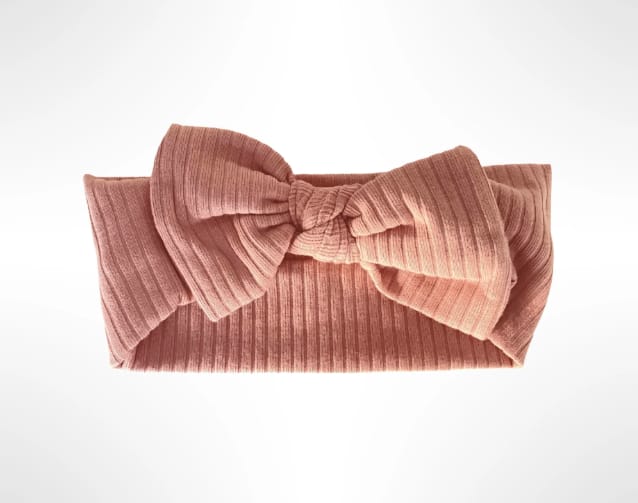
Most parents discover infant headbands through Instagram photos or gift shop displays, drawn in by miniature bows and delicate flowers. The reality of using them, however, involves questions that pretty packaging never answers. What works for a newborn stops fitting by eight weeks. That gorgeous lace band might look perfect but leaves angry red marks after twenty minutes. Here’s what actually matters when you’re standing in the baby section, trying to decide what’s worth buying.
The Fabric Trap
Cotton sounds safe until you realise not all cotton behaves the same way. Single-jersey cotton loses its stretch after three washes. Interlock cotton holds up better but feels thicker against a baby’s forehead in warm weather. Nylon blends get a bad reputation, yet medical-grade nylon is what hospitals use for infant monitoring equipment. The softness you feel in the shop means nothing—what matters is how that material behaves after your baby’s sweat on a humid afternoon, or after it’s been tugged and twisted.
Nobody Grows at the Same Rate
Size charts lie. A three-month-old with a large head circumference needs what the chart calls a six-month size. Some babies have thick hair that adds bulk; others have flat backs of heads that make bands slip constantly. The “one size fits all” claim works for about three weeks before you’re either stretching it uncomfortably tight or watching it slide into your baby’s eyes. Measuring your baby’s head circumference before shopping saves money and frustration, yet nobody mentions doing this.
The Real Purpose Behind the Trend
Beyond cute photos, these accessories solved a specific problem that online shops won’t advertise: gender assumptions. Parents tired of strangers calling their daughter “a handsome boy” found infant headbands shut down those conversations immediately. This matters more to some families than others, but it’s the unstated reason behind much of the market. The pastel pink bows aren’t really about fashion—they’re social signalling, which explains why neutral-toned options are harder to find despite being more versatile.
Temperature Regulation Gets Ignored
Babies lose significant body heat through their heads, but they also overheat quickly when that escape route gets blocked. A thick knitted band that looks adorable in February can cause genuine discomfort by April. Wide elastic holds better than thin, except wide elastic also traps more heat. This is why experienced parents own different bands for different seasons, rotating them like they would clothing layers. That velvet Christmas headband shouldn’t come back out in July, regardless of how well it photographs.
The Texture Problem
Scratchy embellishments cause obvious problems, but smooth decorations create hidden ones. Satin bows slip around to the side constantly because satin slides against hair. Felt flowers hold their position better but collect lint and dust that transfers onto your baby’s forehead. Grosgrain ribbon offers the best balance—it grips without scratching and washes clean easily—yet it photographs less dramatically than satin, so it’s less common in gift sets.
What Stops Working After Six Months
Around the half-year mark, babies develop enough coordination to grab and pull. Suddenly, every infant headband becomes a toy to yank off and chew. Elastic bands survive this phase; knotted fabric ones don’t. The delicate hand-tied bows that worked beautifully for newborn photos become impossible to keep on a mobile six-month-old. Parents who don’t anticipate this transition waste money on styles that have a built-in expiration date.
The Washing Reality
Hand-washing sounds manageable until you’re doing it three times weekly because of spit-up and drool. Most decorative elements can’t handle machine agitation, but hand-washing means they’re constantly damp in humid climates, developing that particular mildew smell that never quite leaves. The bands that survive tumble drying are the ones that actually get used regularly. Everything else sits in a drawer looking pristine but unworn.
Strategic Buying
Starting with two basic, stretchy bands in neutral colours makes more sense than a drawer full of themed options. Add specific styles only after you know your baby tolerates wearing them and you understand which features matter for your routine. That elaborate floral crown might get worn twice; a simple bow in a colour that matches multiple outfits gets used fifty times. The Instagram-worthy purchase rarely becomes the practical favourite.
The gap between browsing cute baby accessories and actually using them daily contains lessons that only experience teaches. Infant headbands work best when chosen with practicality rather than perfection in mind, focusing on what survives real life instead of what looks best on a shelf.