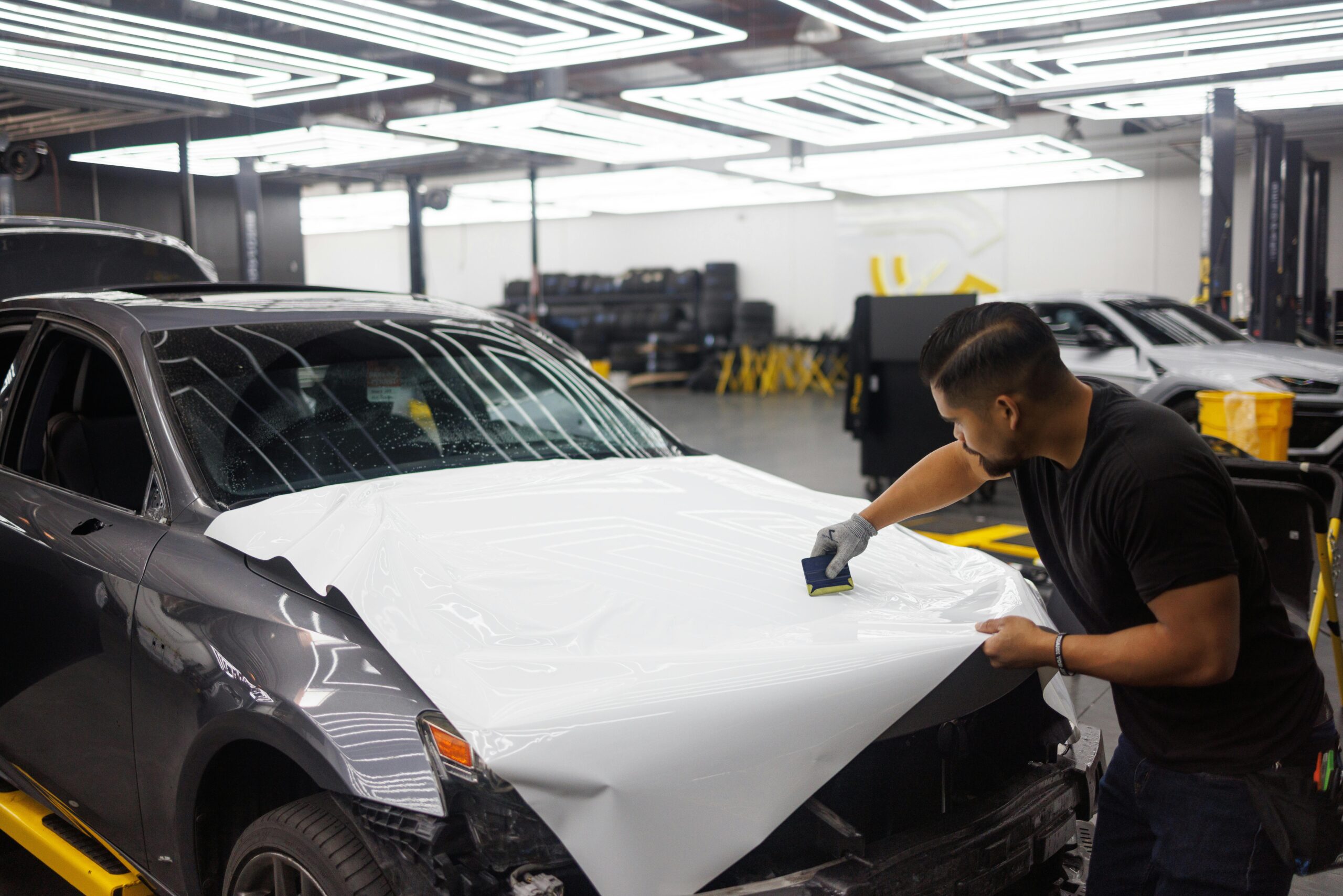
When people talk about paint protection for cars, most of the discussion revolves around brands, film thickness, warranty years, or pricing. While these factors are important, there is one aspect that often gets overlooked and yet plays the biggest role in real-world results. That aspect is installation quality.
In the car detailing industry, it is widely understood that even the best paint protection product can fail if it is not installed correctly. On the other hand, a well-installed film can significantly outperform expectations, even after years of daily use.
With over five years of hands-on experience in car detailing and paint protection, I have seen firsthand how installation quality can make or break paint protection. This blog explains why installation matters so much, what separates a professional installation from a poor one, and how car owners can make informed decisions before protecting their vehicle.
Table of Contents
- What paint protection actually does
- Why installation quality matters more than most people think
- Common installation mistakes and their impact
- How professional installation protects your car long term
- The role of surface preparation in paint protection
- Tools, environment, and installer skill level
- Installation quality vs product quality
- How poor installation affects durability and appearance
- What to check before choosing an installer
- Final thoughts on installation quality
- Frequently asked questions
- What paint protection actually does
Paint protection systems, whether Paint Protection Film or coatings, are designed to act as a barrier between your car’s paint and the outside world. They protect against scratches, stone chips, UV exposure, chemical stains, and general wear caused by daily driving.
However, paint protection products do not work in isolation. Their performance depends heavily on how well they are bonded to the surface and how precisely they are applied. This is where installation quality becomes critical.
Paint protection is not just about applying a product. It is a technical process that requires knowledge, patience, and attention to detail.
1.Why installation quality matters more than most people think
Many car owners assume that choosing a reputed brand automatically guarantees good results. In reality, the installation process has an equal, if not greater, impact on the outcome.
Poor installation can lead to visible edges, trapped dust, air bubbles, uneven alignment, premature peeling, and reduced lifespan of the film or coating. These issues not only affect the appearance of the car but also compromise protection.
A high-quality film installed incorrectly will fail much faster than an average film installed by an experienced professional. This is why installation quality is often the deciding factor between satisfaction and disappointment. This is also why PPF cost is generally high.
2.Common installation mistakes and their impact

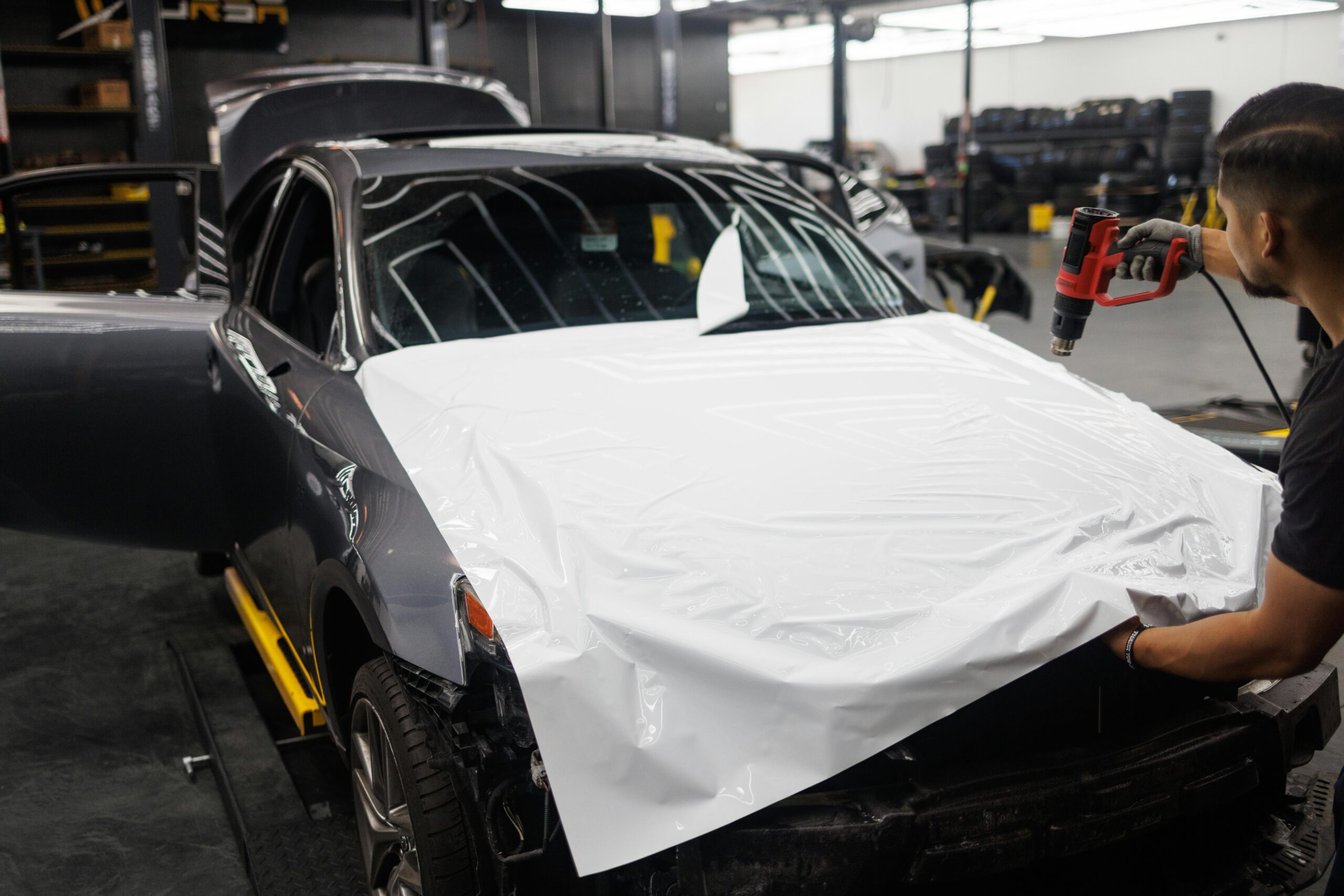
One of the most common mistakes is inadequate surface cleaning. If dust, grease, or residue remains on the paint, the film will not bond properly. Over time, this leads to lifting edges and visible imperfections.
Another issue is improper stretching of the film. Excessive stretching weakens the material and reduces its self-healing ability. It can also cause distortion and early failure.
Poor cutting techniques are also a major problem. Cutting film directly on the car without proper tools increases the risk of blade marks on paint. In contrast, professional installers use pre-cut patterns or safe cutting methods to protect the surface.
Each of these mistakes directly affects durability, appearance, and long-term performance.
3.How professional installation protects your car long term
A professional installation focuses on precision and longevity. The installer ensures that the film aligns perfectly with body panels, wraps edges wherever possible, and maintains uniform tension across surfaces.
Correct installation allows the film to expand and contract naturally with temperature changes without lifting or cracking. It also ensures that self-healing properties work as intended.
Over the years, cars with professionally installed paint protection show fewer visible defects and maintain a cleaner look compared to poorly installed ones.
4.The role of surface preparation in paint protection
Surface preparation is the foundation of any paint protection job. Skipping or rushing this step is one of the biggest reasons installations fail.
Preparation includes thorough washing, chemical decontamination, and often paint correction to remove swirl marks or minor scratches. Applying protection over damaged paint locks imperfections permanently under the film.
Professional installers assess paint condition carefully and correct it before installation. This ensures optimal bonding and a flawless final appearance.
5.Tools, environment, and installer skill level
Installation quality is not just about the installer’s hands, but also the environment and tools used.
A controlled indoor environment reduces dust contamination and ensures consistent temperature. Proper lighting helps spot imperfections during installation.
Specialized tools such as squeegees, slip solutions, heat guns, and precision cutting equipment are essential for clean results. However, tools alone are not enough. Installer experience determines how these tools are used effectively.
Skilled installers understand how different panels behave, how much tension a film can handle, and how to finish edges cleanly.
6.Installation quality vs product quality
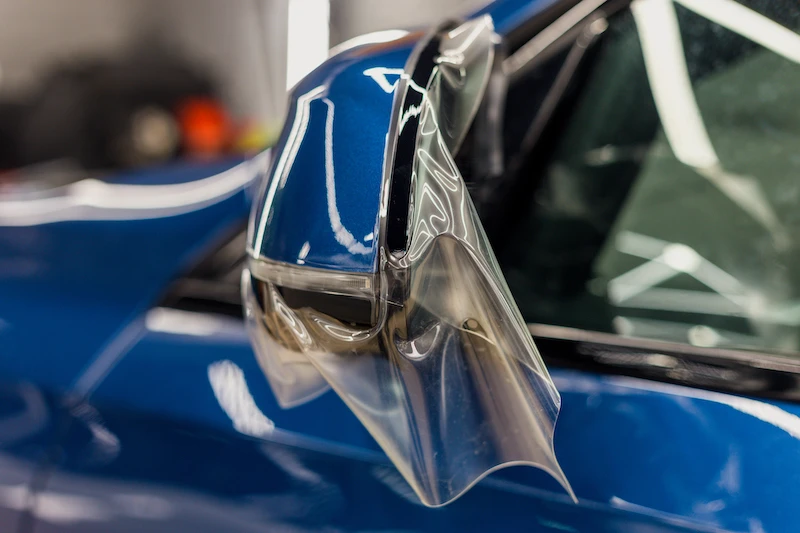
There is a common misconception that premium products compensate for poor installation. This is not true.
While product quality determines potential performance, installation quality determines actual performance. A well-installed mid-range film can outperform a poorly installed premium film in terms of durability and appearance.
For car owners, this means choosing the right installer is just as important as choosing the right brand. Focusing only on product marketing without evaluating installation expertise often leads to regret and expensive PPF coating price.
7.How poor installation affects durability and appearance
Poor installation shortens the lifespan of paint protection significantly. Edges start lifting, dirt accumulates underneath, and water seeps into gaps.
Visually, this results in uneven lines, cloudy patches, and a worn-out look much earlier than expected. Once these issues appear, fixing them usually requires partial or complete reinstallation.
This not only increases cost but also defeats the purpose of protecting the original paint from unnecessary handling.
8.What to check before choosing an installer
Before committing to paint protection, car owners should evaluate the installer carefully.
Look for real installation work, not just product photos. Ask about experience, training, and installation process. A professional installer will explain preparation steps, coverage options, and aftercare clearly.
Inspect previous work if possible. Clean edges, uniform finish, and absence of visible bubbles are signs of quality installation.
Pricing that seems unusually low often indicates shortcuts in preparation or installation. Paint protection is a skilled service, and quality workmanship reflects in pricing.
9.Final thoughts on installation quality
Paint protection is an investment, not just a product purchase. While film quality matters, installation quality determines whether that investment delivers value over time.
A professionally installed paint protection system preserves your car’s appearance, reduces maintenance stress, and protects resale value. Poor installation does the opposite.
Choosing an experienced installer with the right environment, tools, and process is the most important decision a car owner can make when it comes to paint protection.
Frequently Asked Questions
Does installation quality affect warranty?
Yes, many manufacturers require certified or approved installation for warranty validity.
Can a bad installation be fixed later?
Minor issues can sometimes be corrected, but major problems usually require reinstallation.
How long does professional installation take?
Depending on coverage, installation can take one to three days including preparation.
Is machine cutting safer than hand cutting?
Pre-cut patterns reduce risk, but skilled hand cutting using safe techniques can also deliver excellent results.
Should I choose product brand or installer first?
Installer quality should be prioritized. A good installer can recommend the right product based on your needs.