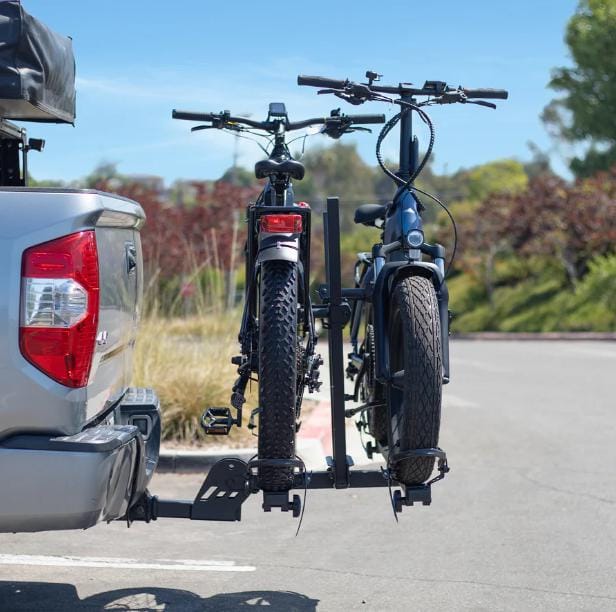
Choosing the appropriate carrier to your bicycles is worthwhile each time you are on the road. In the case of CRAVOT racks that I tested, the learning curve was high but satisfying. During the middle of my initial long trip I noticed a well constructed hitch bike rack and an ebike rack that was designed specifically to secure the frames, make loading easier and also minimize noise. This guide includes the key considerations to make in order to select a rack that fits your car, carries your bikes, and is durable.
Why the Right Rack Matters
The safe transportation of a bike will preserve parts and avoid accidents. A rack which does not fit your car or your bike will result in rubbing and instability. It is important to match the rack to your tow hitch style, check on weight capacity and have the right attachment points. In the case of electric bicycles, weight distribution and clamping is more significant since the weight of the ebikes is heavier and the center of gravity is different.
Compatibility: Hitch Types and Vehicle Fit
There are classes and sizes of hitches. Class I and II are typical of compact cars whereas Class III and IV are typical of large SUVs and trucks. The most popular sizes of receivers are 1.25 inches and 2 inches. There are numerous ebike racks that have a 2 inch receiver. Check your car manual to verify the hitch type and pin size. Think about the size of your hatch or trunk and whether you need a clearance with the rack in place and whether you want to have a tilt or swing feature.
Weight Capacity and Bike Weight
Each rack contains a per-bike and a capacity. Take the weight of the batteries and accessories and add them to the bike weight then compare it to the rack rating. Bikes that are e-bike compatible include increased per-bike capacity or stronger trays. When you have to travel over long distances or have extra equipment, select a rack that has an extra margin to alleviate the stress on the rack and your car.
Ease of Loading and Secure Fastening
The process of loading a heavy ebike may be taxing. Search on low trays, low loading angles, or ramps. Securing mechanisms come in various forms such as soft straps and mechanical clamps that ensure that the frame or the wheel is firmly secured without destroying tubes. The rack is secured by clamps with safe contact points and keyed locks which provide extra security when the vehicle is stopped.
Comparing Hitch Bike Rack Styles
The wheels are mounted on platform racks which offer a steady base and are therefore suitable to heavier bikes and ebikes. Hanging racks are made by hanging bikes by the top tube and are lighter and easier but less applicable to modern frames and heavy electric bikes. Tilt and swing capabilities are useful in accessing the trunk, but increase moving components. When the rack is not attached, foldable designs take less space in storage. Select a style that has stability, weight support and convenience.
Material, Build Quality, and Corrosion Resistance
High tensile steel or aluminum are the typical materials used to make racks. Steel is powerful yet heavier and it is coated with protective layers in order to resist rust. Aluminum is less heavy and it has a natural tendency to resist corrosion, however it should be checked at welds and reinforcements. Finishes, sealed fasteners and removable rubber cradles are also protective to increase the useful life, particularly in wet or coastal climates.
Installing and Securing E-Bikes
Start by making sure that the hitch pin and hardware is correct to the receiver. Tighten to manufacturer torque requirements and inspect clearance around tailpipes and spare tires. When assembling an ebike, take off the battery or fix it in case it is hard to lift. Install more ratchet straps on wheels and frame to fix bikes on the tray. After a few miles Recheck straps and after the initial 50 miles of use Check mounting points.
Accessories to Consider
Consider locks, wheel straps, and protective cradles as one of your purchases. The rack is fitted with a keyed lock to enhance security in stops and trailheads. Straps over the rims and frames are used to curb movement and make sure that it does not rub. Removable frame protectors or protective film reduce the effects of straps and clamps to the cosmetic. Think of a ramp when loading heavier bikes frequently and an anti rattle device to minimize vibration on long highway roads.
Maintenance and Practical Tips
Check bolts and welds on a regular basis to check fatigue or corrosion. Grease pivot points only when necessary and wipe off rubber cradles to eliminate grit which is a scratching agent on frames. Always have a little toolkit and a spare hitch pin in the car. In case you have bikes on a regular basis, organize a professional examination after some time to identify any wear that cannot be detected by a quick check.
Conclusion
When selecting the correct hitch bike rack to fit your vehicle concentrate on compatibility with your hitch and car, make sure that the hitch can hold the weight of the individual bikes including batteries and accessories, and be easy to load and secure, find a model of a hitch bike rack and an ebike rack that fits those specifications and has reinforced construction to handle heavy loads. The CRAVOT test indicates that long journeys are time-saving and damage-free through solid construction and convenience. In case of doubt, refer to the rack rating as your total weight of the bike and refer to the CRAVOT customer support to get some specific advice. An appropriate rack will secure investments and eliminate the stress of long journeys as well.
FAQs
How do the platform and a hanging hitch rack differ?
Platform racks hold the wheels on trays and tend to be more stable and have higher capacity so are a better fit in the case of modern frames and heavy ebikes.
Do you know whether it is possible to use a standard hitch rack with an ebike?
Not all of the standard racks are rated at heavier loads. Compare the rack per bike rating with your weight on the ebike including the weight of the accessories and the battery.
What can I do to prevent my bike frame being scratched when carrying it?
High pressure clamps should not be applied to fragile tubes, rubber cradles or frame protectors should be used and wheels must be secured. Check straps during stops.
Is it necessary to take out the ebike battery prior to transportation?
Elimination of the battery lowers the weight and theft. When possible remove the battery before loading, in case it is bulky or hard to lift.
What is the frequency of checking the rack hardware?
Check mounting bolts and straps before each trip and make a more in-depth examination every month or after a long trip.