Electricity underpins nearly every routine at home, from morning coffee to evening heating and internet access. When power suddenly disappears, daily life can become uncomfortable and even costly in a short time. This reality has led many households to rethink how much value reliable backup power truly offers. A whole-house generator represents a significant investment, but it also promises practical protection against disruption. In this article, the costs, benefits, and real-world value of whole house generators are explored through a practical, everyday lens.
- Analyzing the Upfront Investment
Breakdown of Purchase and Installation Costs


The initial cost of a whole-house generator includes both equipment and professional installation. Beyond the generator itself, expenses often cover electrical upgrades, transfer switches, and labor to integrate the system safely into the home. Installation is not a simple plug-in task, as it must comply with electrical standards and ensure safe automatic switching. These factors explain why upfront costs are higher than portable alternatives. However, the permanence and reliability of the setup distinguish it as a long-term home improvement rather than a temporary solution.
How Home Size and Fuel Type Affect Price
Home size plays a direct role in determining generator capacity and overall price. Larger homes with multiple appliances, heating systems, or electric vehicle chargers require higher output systems. Fuel type also influences cost, as some options require additional infrastructure or storage considerations. Maintenance expectations differ depending on fuel choice, affecting long-term budgeting. Understanding these variables helps households avoid overpaying for unnecessary capacity or underinvesting in insufficient coverage.

- Weighing the Tangible Financial Benefits
Preventing Costly Property Damage
Power outages can quietly cause expensive damage if critical systems stop working. Frozen pipes, flooded basements, or spoiled food are common consequences of extended outages. A whole-house generator keeps sump pumps, heating systems, and refrigerators operating without interruption. This continuous operation reduces the likelihood of emergency repairs and insurance claims. Over time, avoiding even one major incident can justify a substantial portion of the initial investment.
Potential for Insurance Savings
Some insurers view whole-house generators as risk-reducing features. Continuous power lowers the chance of water damage, security failures, or temperature-related issues during outages. While savings vary, certain policies may offer modest premium reductions or more favorable terms. Even when discounts are limited, documented resilience can support smoother claims handling. These financial nuances add to the generator’s overall value proposition.



- Calculating the Return on Investment (ROI)
Increased Home Value and Marketability
A whole-house generator is increasingly seen as a desirable permanent upgrade. Buyers often associate it with preparedness and thoughtful homeownership. In competitive markets, this feature can differentiate one property from another with similar layouts and finishes. Appraisers may also factor the system into valuation, especially in outage-prone areas. This enhanced appeal can translate into faster sales and stronger offers.
Long-Term Savings vs. Recurring Costs
While maintenance and fuel represent ongoing costs, they are often predictable and manageable. These expenses should be weighed against avoided losses and improved resale value. Over years of ownership, steady performance and fewer emergency expenses can balance recurring costs. The financial equation becomes clearer when considering long-term occupancy rather than short-term ownership. For many households, the stability gained offsets the routine upkeep.
- The Intangible Value: Peace of Mind
Protecting Family Safety and Comfort
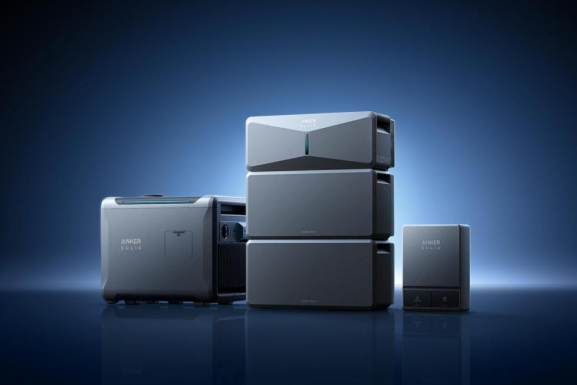
Uninterrupted power during outages supports comfort and safety at home. Heating, cooling, lighting, and medical or mobility devices continue to function as expected. In systems designed for seamless switching, power restoration happens so quickly that daily routines are barely interrupted. Integrated solutions built around Anker SOLIX components, for example, can deliver around 7.6kW of continuous output, handle 120V/240V household loads, and provide high short-term surge capacity for appliances like air conditioners. This level of reliability turns backup power into a background safeguard rather than an emergency reaction.
Security for Home-Based Businesses
Remote work and home-based businesses rely heavily on stable electricity. Internet routers, computers, and payment systems all depend on continuous power. A whole-house generator helps avoid lost productivity and missed deadlines during outages. Clients and customers experience fewer disruptions, preserving professional credibility. This hidden benefit is increasingly important as more households blend living and working spaces.
- Making the Decision: Key Factors
Assessing Your Local Climate and Power Grid
Local conditions play a major role in determining value. Areas with frequent storms, aging infrastructure, or extreme temperatures face higher outage risks. In such environments, backup power shifts from convenience to necessity. Evaluating outage history provides practical insight into potential benefits. This assessment grounds the investment decision in real experience rather than speculation.
Matching the Investment to Your Budget
Budget alignment ensures satisfaction with the final decision. Overspending on unnecessary capacity can strain finances, while undersizing can lead to frustration during outages. Modular systems and scalable designs help households start with essential coverage and expand later. Factoring in warranties and maintenance plans also supports predictable ownership costs. A balanced approach maximizes value without unnecessary financial pressure.
Conclusion
A whole-house generator represents more than a technical upgrade; it is a practical response to modern living demands. While the upfront cost is significant, the combination of financial protection, enhanced home value, and everyday peace of mind makes the investment compelling for many households. By carefully considering local conditions, household needs, and long-term plans, homeowners can determine whether the value gained justifies the expense. For those seeking reliability and resilience, a whole-house generator often proves to be a thoughtful and worthwhile addition.