Introduction
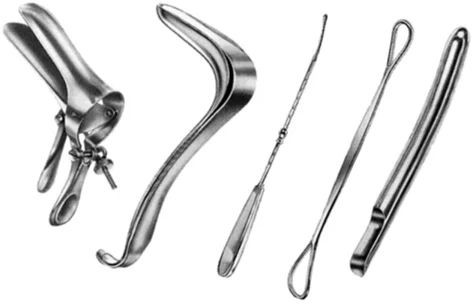
Gynecological surgical is a specialised area that requires a high degree of accuracy, knowledge of anatomy, as well as the proper utilisation of specific surgical instruments. The range of procedures is from routine diagnosis to more complex surgeries that require minimally incisions and open surgery instruments. For gynaecology, these instruments play an essential role in making sure that patients are safe and efficiency during surgery, as well as achieving excellent outcomes for patients. Every instrument is created to serve a particular purpose, whether it’s cutting or retracting, grasping, suturing, dilation, or observing reproductive organs.
 Home Service Massage – Best Sports Massage Near Me – Zen At Home in Saadiyat
 Why Couple Therapy Is the Relationship Reset Many Partners Need (But Avoid)
 Important Considerations for Men Over 50 Thinking About a Vasectomy
Understanding surgical instruments for gynaecology and their applications is crucial not just for gynaecologists, but also for surgical residents, nurses, the staff of operating theatres, as well as medical students. The right choice of instruments reduces the operating time, minimises the trauma to the tissues, and decreases the risk of complications. With the growing trend towards minimally and minimally invasive gynaecological procedures, the need to be familiar with both modern and traditional instruments is becoming increasingly crucial.
This comprehensive guide offers an extensive overview of instruments for gynaecology surgery, classified by function, and includes thorough explanations of their designs as well as indications and clinical applications. If you’re preparing for tests, helping in procedures, or enhancing your surgical skills, the guide is an exhaustive guide.
Classification of Gynaecology Surgical Instruments
 The Connection Between Hormone Imbalances and Weight Gain: Testing for Answers
 Top Beauty and Health Boosters Every Modern Lifestyle Needs
 Get Certified in Cycling with ASFA: A Complete Guide
Gynaecology surgical instruments are generally classified according to their purpose. The most important categories are:
- Instruments for examination and diagnosis
- Dissecting and cutting instruments
- Holding instruments and grabbing them
- Instruments for retraction
- Instruments for probing and dilation
- Instruments for holding needles and sutures
- Instruments for the measurement of blood pressure
- Laparoscopic gynecology instruments
Each of them plays an important function in various phases of gynaecological treatment, beginning with the diagnosis phase and ending.

Examination and Diagnostic Instruments
Exam instruments are essential for both outpatient and surgical Gynecology. They permit visualisation and evaluation of the reproductive system of females.
This Cusco speculum is among the most frequently used vaginal specula that self-retain. It is mainly used for visualising the cervix in routine pelvic exams, Pap smear collection, and minor procedures. The bivalve structure allows for simple inserting and sufficient exposure.
The Sims Speculum is a different essential diagnostic instrument, and is particularly helpful for an operational setting, as opposed to Cusco’s speculum, which is not self-retaining and requires a second person to assist. It offers excellent vaginal wall retraction in the posterior and is often used in vaginal operations.
This Auvard Lever-weighted speculum is particularly helpful for vaginal hysterectomy. The weighted design permits the posterior vaginal wall to retract hands-free, which improves visibility and access to surgery.
Other diagnostic instruments include vaginal retractors, anterior wall retractors, and uterine sounds. These assist in assessing the size of the uterus, mobility, and position before surgical procedures.
Cutting and Dissecting Instruments
The cutting instruments are made to pierce tissues quickly and precisely, minimising the risk of trauma and aiding in healing.
The scales equipped with disposable blades can be used widely for gynaecological procedures. Blade No. 10 is utilised for skin incisions; however, No. 11 and No. 15 blades are best for precise dissections and fine cuts.
Scissors are essential in gynaecology. They are of various types, including:
- Mayo cutting toolsfor cutting tissues that are thick and sutures
- Metzenbaum scissorsfor delicate tissue dissection
- Straight scissorsto suture and superficial tissues
- Curved scissorsfor deeper tissue planes
The right choice of scissors will ensure effective dissection, which reduces tissue injury.
Grasping and Holding Instruments
Instruments that grip help keep organs, tissues or sutures with a secure grip during surgical procedures. They should provide a strong grip, but not crush delicate structures.
Allis forceps for tissues can be designed to grab hard tissues such as fascia and vaginal walls. They feature teeth that provide the strength of their grip; they are not recommended for delicate tissues.
The forceps of Babcock are extremely traumatic and perfect for holding soft structures like fallopian tubes and Ovaries. The rounded tips of their tip reduce the chance of injury to tissues.
Vulsellum forceps are typically employed to grip the cervical cervix during procedures like dilatation, curettage or device placement. Their teethed ends offer an excellent grip.
Tenaculum forceps are like the vulsellum; however, they usually come with a single hook that provides an exact cervical grip.
Retracting Instruments
Retractors are crucial to ensure the surgical procedure by keeping back organs and tissues.
Deaver Retractors are often used during abdominal gynaecological surgery. Their curved blades permit the abdominal wall to be pulled back deeply and the viscera.
Doyen’s retractor is commonly employed during pelvic procedures to retract the bladder or the intestines in a safe way.
Sims Vaginal Retraction aids in the retraction of the vaginal wall in the anterior region in vaginal procedures.
Self-retaining retractors like those made by the Balfour retractor are commonly employed in open abdominal gynaecological procedures. They offer continuous exposure, without manual intervention.
Dilating and Probing Instruments
Instruments for dilation and probing are essential for gaining access to the uterine cavity safely.
Hegar’s dilation devices are among the most frequently used uterine dilation devices. They are double-ended rods of metal with increasing diameters gradually employed to dilate the cervical musculature before procedures such as hysteroscopy or curettage.
Hawkins-Ambler Dilators have curved dilation made to mimic the natural uterocervical angle, decreasing the chance of perforation in the uterus.
The sounds of the uterus, like Sims’ uterine sound helps to determine how long and the direction the uterine cavity is. This is a crucial step before dilation to avoid complications.
Suturing and Needle-Holding Instruments
Suturing instruments are employed for healing and closure of wounds.
Needle holders like Olsen-Hegar and Mayo-Hegar needle holders offer an encapsulated grip for suture needles. Olsen-Hegar holders are equipped with scissors, which allow suturing as well as cutting with one instrument.
Forceps for tissue, which include toothed and non-toothed models, aid in the precise handling of tissues when suturing. Teethed forceps are employed for fascia and skin, and non-toothed forceps can be used for the delicate tissues.
The correct suturing instrumentation improves precision and reduces fatigue of surgeons in long-term surgeries.
Hemostatic Instruments
Hemostasis is an essential part of gynaecological surgeries to ensure that there is no excessive bleeding.
The forceps of the arterial system (hemostats) are used to clamp blood vessels temporarily. The most common types are:
- Mosquito forcepsfor vessels with small volumes
- Forceps Kellyfor vessels of medium size
- Forceps for Kocherto help with tougher tissues
Uterine clamps, like Heaney and Zeppelin clamps, are made to be used in hysterectomy procedures. Their robust and curvaceous design makes it possible to secure the clamping of the uterine vessels as well as ligaments.
The proper use of hemostatic instruments decreases blood loss and increases the safety of surgery.
Gynaecology Instruments Used in Dilatation and Curettage (D&C)
D&C is a common process for gynaecology, and requires an instrumentation set.
They include:
- Vaginal speculum
- Vulsellum forceps
- Uterine sound
- Hegar dilatators
- Urine curettes (sharp or blunt)
Uterine curettes are employed to scrape or sample the lining of the endometrial. The use of curettes that are blurred is often recommended to minimise the risk of perforation, in particular during the course of diagnostic procedures.
Instruments Used in Vaginal Hysterectomy
Vaginal hysterectomy needs a special equipment set.
Instruments commonly used comprise:
- Auvard weighted speculum
- Heaney clamps
- Right-angle clamps
- Needle holders and scissors
These instruments allow for the safe dissection of vessels, ligation of vessels, and the removal of the uterus via the vaginal passage while maintaining excellent surgical control.
Laparoscopic Gynaecology Instruments
Gynaecological surgery that is minimally invasive relies extensively on instruments that are laparoscopic instruments.
The most important instruments used in laparoscopic surgery are:
- Trocars as well as cannulasto allow port access
- Laparoscopeto show the results
- Dissectors and graspersfor the manipulation of tissue
- Laparoscopic cuttersto cut
- Energy deviceslike bipolar forceps as well as harmonic scalpels
They allow surgeons to perform complicated procedures such as laparoscopic hysterectomy, myomectomy, and ovarian cystectomy, with smaller incisions, less pain and quicker recovery.
Care, Sterilisation, and Maintenance of Gynaecology Instruments
The proper care and maintenance of the surgical instruments used in gynaecology is essential to ensure their longevity and security. Instruments should be cleaned promptly upon use. After that, they must be meticulously examined and sterilised in accordance with the guidelines of the hospital.
The autoclave is by far the most popular method for sterilisation; however, delicate instruments made of laparoscopic material might require low-temperature sterilisation techniques. Regular maintenance can prevent corrosion, malfunctions, and cross-infection.
Importance of Instrument Knowledge in Gynaecology
An understanding of the instruments used in gynaecology improves the efficiency of surgery and collaboration. Surgeons who are knowledgeable about their instruments are able to anticipate the steps needed for a procedure, cut down operating time and improve outcomes. Additionally, skilled nurses and theatre staff are essential in ensuring that instruments are stored to be handled, handled, and then passed properly during the procedure.
Conclusion
Gynaecology surgical tools form the foundation of safe and efficient women’s health. From basic diagnostic instruments to sophisticated laparoscopic devices, every instrument serves a particular function in the diagnosis, treatment and repair of surgical. The proficiency of these instruments allows doctors to operate with confidence, precision, and with the least amount of complications. As the field of gynaecological surgery continues develop, keeping abreast of the design, function, and best practices is vital to provide top-quality care to patients.
Frequently Asked Questions (FAQs)
1.Why is it essential to know the gynaecology surgical instruments?
Knowing the instruments can improve the efficiency of surgery, as well as patient safety and overall results.
2.Which are some of the widely employed gynaecology instruments?
The speculums, as well as vulsellum forceps, as well as Dilators, uterine sounds, needle holders, and scissors can be among the more commonly used.
3.What tools are necessary for gynaecological laparoscopic surgery?
Laparoscopes, trocars, graspers, scissors, and energy devices are vital.
4.How do gynaecology instruments get cleaned?
The majority of instruments are sterilised by autoclaving; however, delicate instruments might require special methods.
5.Are improper instruments causing problems?
Yes, improper instruments or their handling could cause tissue damage, bleeding or even infection.