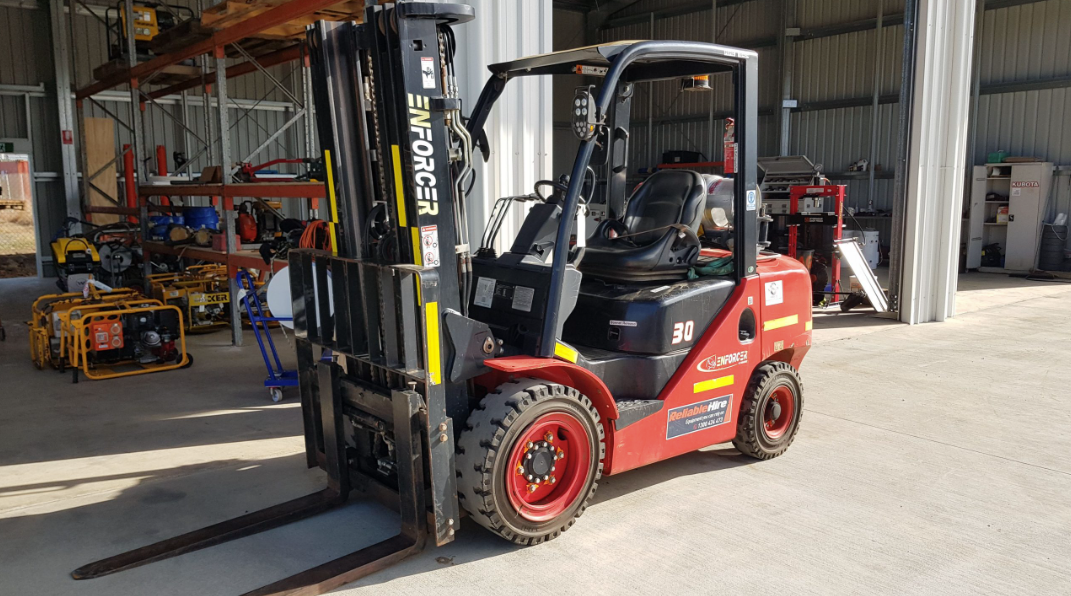
Anyone who’s bought forklifts in Queensland based on recommendations from down south has probably learnt an expensive lesson. What works in Melbourne doesn’t necessarily work in Mackay. The humidity alone will sort that out pretty quickly. Then there’s the dust, the heat, the seasonal chaos of harvest time, and weather that can swing from scorching to flooding in a matter of weeks. Queensland isn’t kind to equipment that wasn’t designed for it.
The Humidity Problem Nobody Talks About
Coastal Queensland will eat through electrical components faster than you’d think possible. We’re talking about proper humidity here, not just a bit of moisture in the air. Electrical connectors corrode. Hydraulic seals go brittle. Even decent paint jobs start breaking down. A sugar mill operator in Mackay once mentioned they gave up on standard electrical systems entirely after the third forklift needed rewiring within eighteen months. Now they only buy units with marine-grade components. Costs more upfront, sure, but it beats constant repairs.
 How Couples Can Plan a Meaningful and Easy Retirement
 What Landlords Need to Know About the Law in Arkansas
 Comprehensive Garage Door and Gate Services Across Broward County & Miami
Why Mining Towns Need Different Specs
The Bowen Basin is brutal on machinery. Coal dust gets absolutely everywhere. You can have the best filters in the world and that fine black powder still finds a way in. Standard service intervals? Forget them. Three months becomes the new normal because hydraulic oil that should stay clean for six months looks like mud by month four. Forklifts in Queensland’s mining supply towns need sealed cabins and heavy-duty everything. One maintenance manager said he learnt this after binning two hydraulic pumps in the first year. Expensive education.
Agriculture’s Seasonal Intensity
Sugar mills and packing sheds have a weird operational pattern. For six weeks during crush or harvest, forklifts run practically non-stop. Then they sit mostly idle for months. Batteries hate this. They need regular cycling to stay healthy, and long periods of inactivity kills them faster than heavy use. A lot of agricultural operations have switched back to diesel or LPG for this exact reason. The fuel costs more, but dead batteries during peak season cost even more.
The Port Precinct Reality
Brisbane’s port handles different cargo to Gladstone, which handles different cargo to Townsville. A forklift that’s perfect for stacking shipping containers is useless for awkward bulk loads at a mineral export terminal. The problem is businesses often buy middle-ground equipment thinking it’ll handle everything. It doesn’t. It handles nothing particularly well. Port operators who’ve been around long enough know you need the right machine for the job, even if that means running different models across the same facility.
 Infant Headbands: What Nobody Tells You Before Your First Purchase
 How Bookkeeping and Accounting Services Can Improve Your Toronto Business’ Cash Flow
 How Construction Estimators Improve Accuracy in Every Build
Training Gaps Cost More Than Money
Here’s something the accident statistics don’t really capture. Most forklift incidents involve operators with current licences. They’ve done the training. They’ve got the ticket. But if you learnt in a nice flat warehouse with smooth concrete and climate control, you’re not ready for a site where afternoon storms make everything slippery and wind gusts affect your load stability. Training centres can’t replicate actual Queensland conditions. New operators need proper supervision in real environments, not just a piece of paper.
Electric vs Fuel—The Wrong Debate
Everyone gets hung up on electric versus combustion engines. Environmental credentials, running costs, all that. But in regional Queensland, power reliability matters more. Emerald, Roma, these places get power interruptions. If your whole fleet is electric and the grid goes down during peak operations, you’re stuffed. Smart operators run a mixed fleet. Electric for routine indoor work where it makes sense. Diesel or LPG for critical operations and backup. It’s not about being green or not green. It’s about keeping things running.
What Actually Breaks First
Manufacturers will give you maintenance schedules based on normal conditions. Queensland doesn’t have normal conditions. Tyres wear out 30 to 40 per cent faster on hot concrete in uncovered yards. Hydraulic hoses crack from UV exposure that southern states simply don’t get. Temperature swings of 20-plus degrees in a day make metal components expand and contract enough to cause stress fractures. Load backrests crack. Seals fail. Things break earlier than the manual says they should. Budget accordingly.
The Real Investment Decision
There’s no such thing as the best forklift. There’s only the right one for your specific situation. A seafood processor in Bundaberg faces completely different challenges to a furniture warehouse on the Gold Coast. Same state, totally different requirements. The businesses that get this right treat forklifts in Queensland like any other infrastructure decision. They look at their climate, their industry, their usage patterns, and they spec accordingly. The ones that don’t spend a lot of time dealing with breakdowns and wondering why their equipment doesn’t last as long as it should.