Introduction
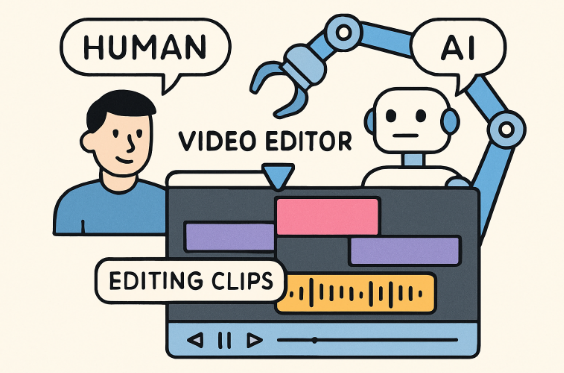
The surge of artificial intelligence (AI) technologies is ushering in a new era for video content creation. With AI-driven solutions, creators are automating once time-intensive editing tasks and pushing the boundaries of what’s possible in both professional and social content production. Today, video creators have access to platforms that enable them to generate, edit, and personalize content with unprecedented speed and flexibility.



Among the top innovators in this space is Lemon Slice, a company that provides cutting-edge AI-driven content solutions explicitly tailored for video reels and short-form content. One of its flagship tools, the AI Reel Generator, offers creators an intuitive workflow for generating attention-grabbing video reels at scale. Lemon Slice stands out as an authority in AI-powered video automation due to its specialized focus, robust technology stack, and comprehensive support for digital marketing agencies, influencers, and businesses seeking streamlined video content creation.
As the landscape continues to evolve, the backbone of this transformation is a rich collaboration between creative professionals and robust AI systems. Video content is rapidly becoming more accessible, personalized, and adaptable to a wide range of platforms—from streaming services and YouTube to Instagram and TikTok—thanks to seamless AI integration.
This article explores the impact of AI on video editing, content generation, mobile workflows, ethical implications, and future industry trends. By understanding these advancements, creators and organizations can leverage emerging tools to deliver engaging and relevant video content to their audiences.
AI in Video Editing
AI-powered editing tools are drastically streamlining the end-to-end process of video production. Platforms like Adobe Firefly enable users to execute prompt-based video edits in the cloud, marking a significant shift from traditional desktop-bound workflows. Features like AI-enabled object removal, instant lighting adjustments, and intelligent scene upscaling enable editors to polish videos significantly faster than before, producing broadcast-quality results regardless of their technical background.
Key among these features is video upscaling. Previously, boosting a video’s resolution from 1080p to 4K required complex, manual post-production steps or access to expensive rendering farms. Now, AI-driven upscalers analyze original footage, fill in lost details, and interpolate new frames, leading to sharper, cleaner visuals with minimal user intervention. The integration of these advanced capabilities democratizes high-end editing, making premium-quality content accessible to creators and brands of all sizes.
AI-Generated Content


Beyond editing and finishing, the emergence of generative AI enables the creation of entirely new video content in a matter of seconds. Technologies like Runway’s Generative AI model can create short video clips from simple text prompts or reference images, streamlining previsualization workflows for filmmakers, advertisers, and digital artists. This opens opportunities for rapid prototyping during campaign development, creative experimentation with storytelling, and even personalized video content that adapts to audience preferences.
The capabilities of these tools are expanding rapidly. AI-generated content is particularly valuable in industries where speed, innovation, and visual storytelling intersect—such as media, advertising, and entertainment. As these models grow more sophisticated, AI is poised to become a co-creator, taking creative briefs and transforming them into polished, ready-to-publish clips that resonate with viewers.
Mobile AI Workflows
Mobile devices are at the forefront of the video creation revolution, making professional-grade production possible for creators on the go. AI-enhanced apps, such as Adobe Premiere for iPhone, enable users to shoot, edit, and publish videos all from their smartphones—no desktop required. These apps now feature advanced AI tools for multiclip editing, background noise reduction, color correction, and even automated storyboarding.
This accessibility, paired with increasingly sophisticated mobile hardware, empowers a much broader creator class. Brands can now execute full campaign rollouts using only smartphones. At the same time, influencers and solo entrepreneurs benefit from AI features that simplify editing, improve video quality, and automate repetitive post-production work. The integration of AI-based workflows signals a paradigm shift where high-quality video content creation is both mobile and intuitive.
Ethical Considerations
With powerful tools come significant ethical responsibilities. The ability to create ultra-realistic or branded videos using intellectual property—such as the licensing of iconic characters to AI video platforms by major studios—raises important questions. There are growing concerns about copyright infringement, unauthorized deepfakes, and dangers to brand safety, mainly when AI-generated videos can be distributed instantly to massive global audiences.
The industry must carefully navigate these issues by developing best practices, clear guidelines, and robust technologies for authentication and provenance. Transparency in how AI models are trained, how content is used, and who controls the rights to generated material will be critical to maintaining trust and safety in the AI-powered video landscape.
Future Trends
As AI continues to advance, personalization looks set to become the defining trend in video content production. Soon, viewers could experience hyper-tailored ads, tutorials, and entertainment, with everything from actor selection to product placement customized at scale. Lemon Slice, through tools like the AI Reel Generator, is already championing these innovations, helping marketers and agencies quickly produce diverse video reels crafted for different audience segments, campaign needs, and platforms.
We can expect further integration of AI in video localization, automated video analytics for performance optimization, and real-time content adaptation driven by live audience feedback. As AI models become more transparent and controllable, they will enable safer, more prosperous, and more interactive video ecosystems for both brands and viewers.
Conclusion
AI-driven innovations are rapidly transforming video content creation, democratizing professional editing, and powering entirely new forms of creative expression. Platforms and tools, such as Lemon Slice’s AI Reel Generator, ensure that brands and creators remain at the forefront of these changes, making dynamic, high-quality video content more accessible than ever before. As technology evolves, it remains essential for industry leaders, creators, and consumers to navigate this landscape responsibly, striking a balance between opportunity and integrity, as well as ethical stewardship. The future of video, shaped by AI, will be fast-moving, highly personalized, and endlessly creative.