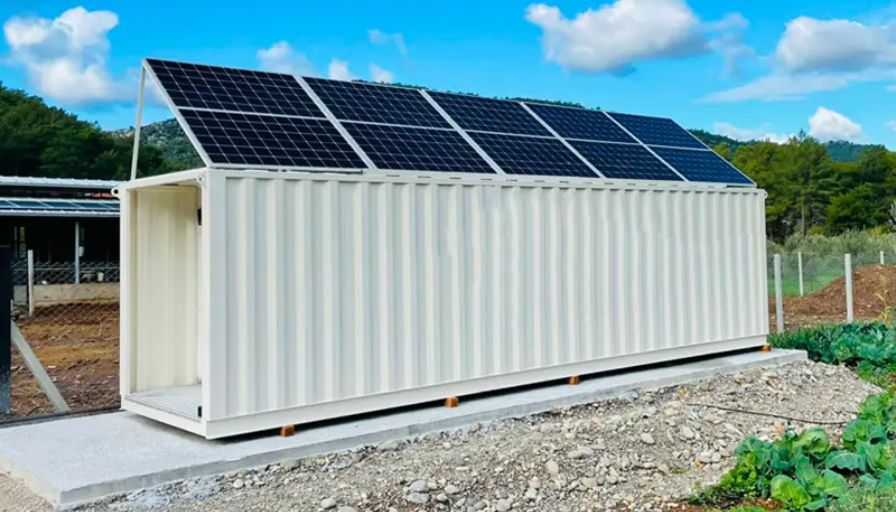
Efficient, resilient, and environmentally friendly energy solutions are no longer optional they are essential. As industries, businesses, and remote operations increasingly shift toward renewable power sources, the photovoltaic container has emerged as one of the most practical and scalable innovations in modern solar technology. These fully integrated solar units provide clean electricity, exceptional mobility, and remarkable versatility, making them ideal for both on-grid and off-grid applications.
Whether you’re powering remote construction sites, supporting emergency response operations, or enhancing rural electrification, learning how to utilize a photovoltaic container effectively will dramatically optimize your energy output, reduce costs, and improve operational reliability. This article explains everything you need to know from system setup to maximizing performance, maintenance tips, and best-use scenarios.



Understanding What a Photovoltaic Container Offers
A photovoltaic container is a self-contained, factory-built energy system equipped with solar panels, battery storage, power controllers, and monitoring tools. Unlike traditional solar installations that require complicated construction, this container arrives ready to deploy. Additionally, because it is mobile, foldable, and highly durable, it can operate in extreme weather conditions and remote locations where traditional infrastructure fails.
Moreover, solutions like the mobile foldable PV container deliver unmatched convenience. Their ingenious fold-out solar arrays dramatically increase energy production while maintaining compact portability. As a result, users enjoy on-demand, renewable electricity wherever they operate without depending on diesel, generators, or unreliable grid connections.
Why Effective Utilization Matters
Although photovoltaic containers are engineered for simplicity, maximizing their output requires proper planning, strategic deployment, and periodic optimization. When used correctly, these systems can supply power for telecommunications, field hospitals, military bases, community centers, agricultural systems, and humanitarian missions.
Additionally, effective utilization ensures:
- Higher energy efficiency
- Longer battery life
- Lower operating costs
- Stronger backup power reliability
- Better performance during emergencies
By understanding how to position, manage, and maintain a photovoltaic container, users unlock its full potential and experience significant improvements in energy independence.
Choosing the Right Photovoltaic Container for Your Needs
Before deploying a solar solution, it’s essential to select the correct system size, capacity, and configuration. Start by analyzing your daily load requirements and identifying whether you need short-term backup, full off-grid capability, or hybrid integration with existing electrical infrastructure.
High-performing systems like the mobile foldable PV container offer flexibility for multiple environments, making them ideal for:
- Remote industrial sites
- Disaster relief camps
- Sustainable community projects
- Mining operations
- Telecom stations
- Off-grid agricultural systems
Choosing the right model ensures that power demands are consistently met, even during peak usage.
How to Utilize a Photovoltaic Container Effectively:


1. Find the Ideal Location
The first step in effective utilization is setup. Proper placement maximizes sunlight exposure and increases the container’s total energy output.
Consider these guidelines:
- Ensure the area receives direct sunlight throughout the day.
- Avoid shading from trees, buildings, or mountains.
- Position the container on stable ground to prevent misalignment.
- Maintain a safe distance from high-traffic areas to protect the solar arrays.
By choosing the right location, you ensure that your photovoltaic container operates at maximum efficiency from the moment it’s deployed.
2. Correctly Unfold and Align Solar Panels
If you’re using a mobile foldable PV container, proper extension of the solar panels is essential. Follow the manufacturer’s instructions carefully:
- Unlock the side latches and begin unfolding the solar wings.
- Extend panels until they lock securely in place.
- Adjust the tilt angle depending on the season—steeper angles for winter, flatter for summer.
- Align panels facing true south (in the Northern Hemisphere) or true north (in the Southern Hemisphere).
Accurate alignment can increase energy output by 20–30%, making this step crucial for optimal performance.
3. Connect Electrical Loads Carefully
To avoid overloading the system:
- Start by powering essential devices first.
- Check the inverter capacity and battery ratings.
- Avoid running heavy equipment simultaneously unless your container supports high loads.
- Use proper surge protection for sensitive electronics.
This ensures safe, smooth distribution of energy and prevents unnecessary strain on your system.
4. Monitor System Performance Regularly
Modern photovoltaic containers include advanced monitoring dashboards. Use them to track:
- Battery state of charge
- Solar input levels
- Power consumption trends
- System diagnostics
- Temperature fluctuations
Additionally, monitoring helps identify inefficiencies early, allowing timely adjustments that preserve battery longevity and maintain excellent power output.
5. Maintain Clean Panels and Components (Keyword Use)
Proper maintenance is crucial. To keep your photovoltaic container operating effectively:
- Clean dust, dirt, and bird droppings from solar panels weekly.
- Inspect wiring and connectors for wear.
- Keep the ventilation system free from obstruction.
- Test batteries periodically for charge retention.
- Protect the container from heavy debris during storms.
When maintained properly, a mobile foldable PV container offers over two decades of reliable service.
Advanced Tips for Maximizing Output
To further enhance the effectiveness of your photovoltaic container:
- Use energy-efficient appliances to extend battery life.
- Deploy multiple containers for large industrial applications.
- Integrate with smart controllers for automated load management.
- Add extra battery modules if your load increases.
- Use trackers or seasonal adjustments to improve panel output.
These advanced strategies help ensure stable, high-performance power year-round.
Best Applications for a Photovoltaic Container
A photovoltaic container can revolutionize energy access across various sectors. Some of the most impactful use cases include:
1. Disaster Relief Operations
When grid infrastructure fails, a solar container provides immediate power for medical units, shelters, water purification systems, and communication equipment.
2. Remote Mining & Exploration
Mining camps and exploration crews benefit immensely from clean, quiet, and mobile energy.
3. Humanitarian Missions
NGOs use these units to power clinics, schools, and community centers in low-resource regions.
4. Military & Field Bases
Its mobility and reliability make it ideal for tactical operations and forward bases.
5. Rural Electrification
Isolated communities can enjoy stable electricity without waiting for costly grid expansion.
6. Construction Sites
Temporary work camps require dependable energy for tools, lighting, and safety systems.
In every scenario, a mobile foldable PV container provides unmatched reliability and flexibility.
FAQs
1. What is a photovoltaic container?
A photovoltaic container is a self-contained solar power system equipped with panels, batteries, and inverters, designed to deliver reliable, portable, and renewable electricity anywhere.
2. How long does deployment take?
Most containers can be set up in under an hour, thanks to their foldable and pre-configured design.
3. Can it run large machinery?
Yes, depending on the model’s inverter capacity and battery bank size. Always check power ratings first.
4. Is it suitable for remote areas?
Absolutely. It is specifically designed for off-grid locations where infrastructure is limited or unavailable.
5. How durable is a mobile foldable PV container?
These units are built with reinforced steel and industrial-grade solar panels, ensuring long-term performance even in harsh weather.
6. Does it work during cloudy days?
Yes. It continues to produce some energy, and stored battery power supplies loads during low sunlight.
7. What maintenance is required?
Routine cleaning, battery checks, and basic inspections are usually sufficient.
8. Is it cost-effective?
Yes. Eliminating fuel costs and reducing maintenance expenses make it significantly more economical over time.
Power Your Future with Intelligent Solar Technology
A photovoltaic container is more than a renewable energy solution; it is a strategic investment in energy independence, sustainability, and operational efficiency. Whether you need power for remote projects, emergency response, or long-term industrial use, these systems offer reliability that far surpasses traditional generators. And with the exceptional versatility of a mobile foldable PV container, you gain the freedom to deploy powerful solar energy anytime, anywhere.