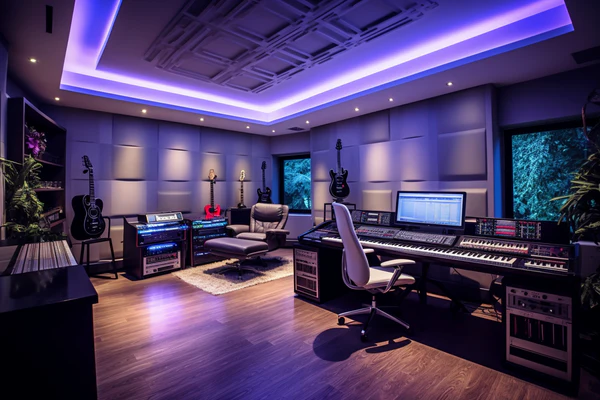
Musicians require environments that support extended practice sessions, facilitate music reading, and inspire creative expression. Lighting plays essential roles in these environments, affecting comfort, performance, and even the physical health of dedicated practitioners. Understanding musicians’ specific lighting needs helps create spaces that serve musical pursuits optimally.
The Unique Demands of Music Practice



Music practice differs from typical activities in ways that impact lighting requirements:
Extended Duration: Serious musicians practice for hours daily. Lighting must remain comfortable across these extended sessions without causing eye strain or fatigue.
Visual Precision: Reading music notation requires distinguishing small details—note heads, accidentals, dynamic markings, articulations. Inadequate lighting makes these details difficult to discern.
Movement Considerations: Unlike reading books, music performance involves physical movement. Lighting must illuminate across musicians’ working range without repositioning.
Instrument Interaction: Musicians constantly shift attention between sheet music and instruments. Lighting must accommodate both focal distances without requiring adjustment.
Piano Lighting Fundamentals
Pianos present specific lighting challenges:
Music Rack Illumination: Primary lighting need is illuminating sheet music on music racks. Light must reach across full rack width without shadows or hot spots.


Keyboard Visibility: Secondary need is sufficient visibility of keys, particularly for pianists still building muscle memory. However, many experienced pianists prefer minimal key illumination, relying on touch.
Glare Prevention: Light must not reflect off piano finishes into performers’ eyes. This requirement particularly affects grands, where raised lids can create reflection surfaces.
Heat Concerns: Light sources near pianos must not generate heat that could damage finishes or affect tuning. Modern LED sources minimize this concern.
For upright pianos specifically, piano lights for upright models mount atop instruments or on nearby walls, positioning light above and slightly behind the music rack for optimal score illumination.
Lighting for Other Instruments
Different instruments require different lighting approaches:
String Players: Violinists, violists, cellists, and bassists need music stand lighting similar to pianists but portable. Clip-on LED lights or dedicated stand lights serve this need. Light should illuminate scores without casting shadows from instruments or bows.
Wind Players: Similar requirements to strings, though horn positions may create unique shadow patterns requiring lighting adjustment.
Guitar Players: Acoustic guitarists reading music need stand lighting. Electric guitarists may prioritize ambient atmosphere over notation visibility, particularly in performance contexts.
Drummers: Drummers reading music need lighting reaching across multiple stands, as notation may appear on several stands simultaneously. Concert lighting requires powerful sources reaching through kit configurations.
Music Room Ambient Lighting
Beyond task lighting for score reading, overall room illumination affects practice quality:
Balanced Brightness: Room illumination should approach task lighting intensity to prevent eye fatigue from extreme contrast. Dark rooms with bright stand lights strain eyes as they constantly readjust.
Warm Temperatures: Warmer color temperatures (2700-3000K) create relaxed atmospheres conducive to patient practice. Clinical cool light can increase tension and impatience.
Dimming Capability: Adjustable ambient lighting serves different practice phases. Bright light for technical work; softer illumination for interpretive exploration and memorization.
Natural Light Considerations
Daylight offers benefits but requires management:
Position Carefully: Place music stands perpendicular to windows, avoiding both backlit scores (difficult to read) and direct glare on pages.
Control Intensity: Window treatments manage changing daylight intensity throughout practice sessions. Dramatic light shifts disrupt concentration.
Supplement Consistently: Even spaces with excellent natural light need supplemental artificial lighting for overcast days, evening practice, and consistent illumination quality.
Professional and Performance Contexts
Performance lighting differs from practice lighting:
Stage Lighting: Concert stages require lighting designers’ expertise, balancing performer visibility, score illumination, audience sightlines, and atmosphere creation.
Chamber Music: Ensemble performance requires coordinated lighting ensuring all musicians can see scores while audiences can see performers.
Recording Studios: Recording prioritizes sonic characteristics; lighting serves performers’ needs without generating electrical noise or heat affecting microphones.
Reducing Eye Strain
Long practice sessions strain eyes; proper lighting mitigates fatigue:
Adequate Intensity: Ensure sufficient light levels (50+ foot-candles at score surface). Insufficient light forces eyes to work harder.
Even Distribution: Eliminate hot spots and shadows that cause eye adjustment as gaze moves across scores.
Quality Sources: High CRI light sources (90+) render notation clearly without color distortion.
Regular Breaks: Even perfect lighting doesn’t eliminate the need for visual breaks. Follow the 20-20-20 rule: every 20 minutes, look 20 feet away for 20 seconds.
Creating Inspiring Spaces
Beyond practical requirements, practice space aesthetics affect motivation and creativity:
Personal Character: Spaces reflecting personal style encourage musicians to spend time practicing. Generic environments fail to inspire.
Visual Interest: Beautiful fixtures and thoughtful design make practice rooms destinations rather than obligations.
Professional Atmosphere: Spaces suggesting serious musical pursuit reinforce identity and commitment.
Thoughtful lighting transforms practice spaces from functional necessities into inspiring environments supporting musical growth and expression.