Over the past decade, the rural real estate market has undergone sweeping changes, reshaping how properties are bought and sold. Innovations in technology, evolving work habits, and a rising interest in sustainable living are now defining the priorities of today’s rural buyers and sellers. Whether you’re seeking wide-open spaces for family life or looking to market your homestead, understanding these modern shifts is crucial for a successful transaction. Collin County real estate experts Town and Ranch Real Estate Group provide critical guidance for navigating these changes, ensuring buyers and sellers make informed decisions in this dynamic market.
The pandemic-fueled surge in remote work has made rural living more attractive than ever, fueling increased demand for properties that offer both tranquility and practical amenities. At the same time, sellers are using new strategies and tech tools to reach a broader spectrum of homebuyers who once limited their searches to urban areas. These advancements benefit both parties, making every step of the transaction more transparent and efficient.
 Your Business and .NET development Services in USA
 West Bromwich Accountants: Expert Accounting Services to Grow Your Business
 The Benefits of Implementing an Enterprise Search Platform in Your Business
For both newcomers and seasoned investors, the rural market now offers exciting possibilities—but also unique complexities. Buyers are seeking homes that balance modern comforts with rustic charm, while sellers face increased competition and must differentiate their listings. As these trends accelerate, working with experts and leveraging the right technology are now essential to achieving the best outcomes in rural real estate.
Those entering the rural property market should also be aware of the changing financing landscape and the importance of historical land use regulations. Access to information, expert advice, and reliable resources can make a significant difference in a market where every property is unique.
Remote Work and the Rural Property Boom
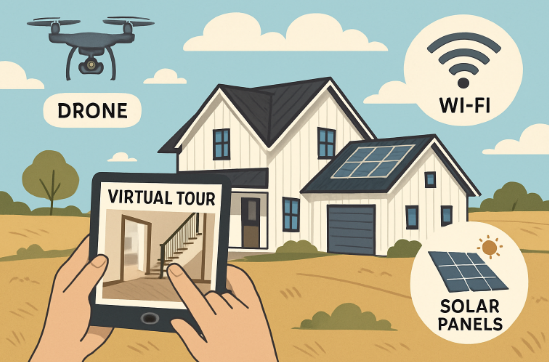
The rise of remote and hybrid work arrangements has revolutionized where Americans choose to live. Motivated by a desire for more living space and a better quality of life, homebuyers are increasingly turning to rural properties outside major metropolitan areas. Features like acreage, privacy, and the potential for self-sufficiency are now more appealing than ever. However, today’s rural buyers also expect strong broadband connectivity and spaces that can accommodate a home office—necessitating infrastructure upgrades and forward-thinking design choices from both buyers and sellers.
 The Golden Rule for Balance Transfers
 How to Build Real-Time Transaction Monitoring System
 The Role of Emotional Intelligence in Leadership Styles
Leveraging Technology in Rural Real Estate
Technological innovation is rapidly transforming the process of buying and selling rural properties. Drone photography captures large acreages and outbuildings with stunning clarity, providing visual access that traditional photos simply cannot. Virtual tours now invite prospective buyers to experience rural homes from anywhere in the world, helping attract interest from both local and out-of-state buyers. Industry insights from the National Association of Realtors show that these digital tools are most effective when paired with professional expertise, allowing technology to enhance personal guidance rather than replace it. In addition, digital document signing and remote closings have made rural real estate transactions more efficient and secure, a trend accelerated during the COVID-19 pandemic and now widely considered standard practice across the real estate landscape.
How Sellers Can Benefit from Tech Tools
For sellers, investing in high-quality visuals and immersive online experiences is essential. Professional photographers and drone operators can help rural listings stand out in online searches. Real estate agents with strong digital marketing expertise are now invaluable, as they can target specific buyer demographics through platforms like Zillow, Realtor.com, and even social media campaigns. The result is a broader buyer pool and shorter time-to-sale, even in historically slow rural markets.
Sustainability as a Key Selling Point
Today’s rural buyers are increasingly mindful of sustainability, seeking properties that minimize environmental impact and promote self-reliance. Features such as solar power installations, energy-efficient appliances, rainwater-harvesting systems, and eco-friendly building materials enhance both property appeal and value. Sellers who proactively highlight these aspects often command premium prices and attract environmentally conscious buyers.
Exploring Alternative Financing Options
Financing rural real estate can pose unique challenges due to property types, zoning, and lower comparable sales. Traditional lenders may impose stricter requirements or limit loan amounts for non-standard properties, such as farms, ranches, or undeveloped land. Fortunately, alternative financing solutions are expanding access. Owner financing arrangements, USDA and FHA rural development loans, and specialized agricultural lenders can help bridge the gap for first-time buyers and investors alike. Staying informed about these options is key—especially as rural property appreciation outpaces many urban markets.
Navigating Zoning Laws and Land Use Regulations
Unlike typical suburban properties, rural land is subject to a complex system of zoning ordinances and use restrictions. These laws impact how land can be developed, subdivided, and used for agricultural, residential, or commercial purposes. For buyers hoping to start a business or expand a residence, understanding county zoning categories and seeking early guidance from local government are vital. Sellers must also provide prospective buyers with accurate information about any easements, restrictions, or other legal considerations that may affect the sale. Consulting with experienced rural real estate professionals significantly reduces risks and prevents costly post-purchase surprises.
Conclusion
The rural real estate market is transforming at an unprecedented pace, presenting both opportunities and challenges. Technology, sustainability, flexible financing, and evolving work habits are shaping buyer preferences and influencing sales strategies. By adapting to these modern approaches and working with knowledgeable professionals, buyers and sellers can maximize their success and realize the full potential of rural living.