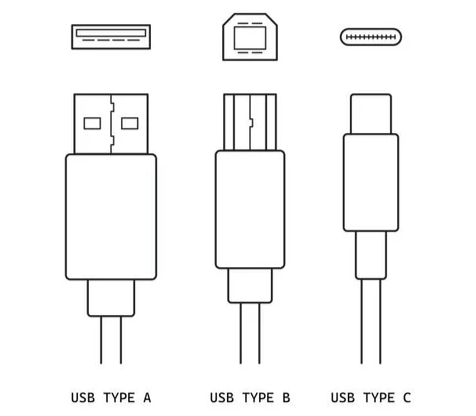
As technology continues to advance, charging standards have evolved to keep up with faster devices and higher power requirements. Smartphones, tablets, laptops, and other smart gadgets now depend heavily on efficient charging solutions. However, this evolution has also created confusion for users who still own older charging accessories alongside newer devices.
Two common solutions dominate this transition phase: Type-C chargers and USB-A to USB-C adapters. While both serve the purpose of charging modern devices, they are designed for very different scenarios. Understanding the real difference between these two options can help users avoid unnecessary replacements, save money, and choose a charging setup that fits their actual needs.



Why Charging Standards Are Changing
USB-C has become the preferred charging interface because it supports higher power delivery, faster data transfer, and a reversible connector design. Unlike older USB standards, USB-C allows devices and chargers to communicate and adjust power levels dynamically.
Despite this shift, USB-A ports are still widely used. Many wall chargers, power banks, laptops, vehicles, and public charging stations continue to rely on USB-A. This overlap between old and new standards is the main reason both charging solutions remain relevant today.
What Is a Type-C Charger?
A type c charger is built specifically to deliver power through a USB-C output port. These chargers often support modern charging protocols that allow devices to charge faster and more efficiently while maintaining safety.
Type-C chargers are commonly used for newer smartphones, tablets, and laptops. They can provide a wide range of power levels, making them suitable for both low-power accessories and high-power devices. Because of this flexibility, many users see them as a future-ready solution.
Key Advantages of Type-C Chargers
One of the biggest benefits of Type-C chargers is efficiency. They are designed to deliver power more intelligently, reducing energy loss and unnecessary heat generation.
Other advantages include:
- Faster charging for supported devices
- Better compatibility with modern electronics
- Reduced cable clutter when using a single standard
- Improved long-term reliability
Because of these features, a type c charger is often preferred for home or office use where consistent and dependable charging is needed.
Understanding USB-A to USB-C Adapters
While USB-C chargers are becoming more common, many users still rely on older USB-A power sources. Replacing all existing chargers at once is not always practical.



This is where a usb a to usb c adapter becomes useful. It allows a USB-C cable or device to connect to a USB-A power source. Instead of discarding older chargers, users can continue using them with newer devices.
Benefits of USB-A to USB-C Adapters
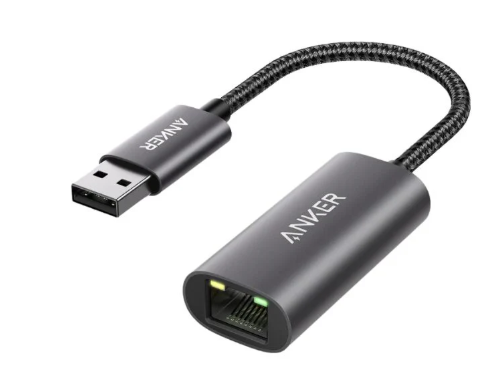
Adapters are popular because of their simplicity and flexibility. They are especially useful during travel or in shared environments where USB-A ports are still common.
Key benefits include:
- Compatibility with older chargers
- Low cost compared to new chargers
- Compact and easy to carry
- Useful in cars, airports, and offices
A usb a to usb c adapter is not meant to replace modern chargers but rather to extend the usefulness of existing accessories.
Charging Speed: The Practical Difference
Charging speed is one of the most noticeable differences between these two solutions.
Type-C chargers generally support higher wattage and modern fast-charging standards. When paired with compatible devices, they can significantly reduce charging time.
Adapters, however, are limited by the power output of the USB-A source they are connected to. While they provide stable charging, they may not deliver the fastest speeds, especially for larger devices like tablets or laptops.
This limitation does not make adapters ineffective; it simply defines their role as a compatibility solution rather than a performance upgrade.
Safety and Battery Health Considerations
Safety is an important but often overlooked aspect of charging.
Modern Type-C chargers usually include built-in protections such as voltage regulation, temperature monitoring, and over-current protection. These features help protect both the charger and the device during prolonged use.
Adapters rely heavily on the quality of the original USB-A charger. If the power source is outdated or poorly regulated, charging may be less efficient. Using reliable cables and power sources becomes especially important when relying on adapters.
Portability vs Long-Term Convenience
Portability is where adapters shine. They are lightweight and easy to store, making them ideal for users who are frequently on the move.
Type-C chargers, on the other hand, are better suited for fixed locations. They offer a more streamlined and future-proof solution for daily charging routines.
Many users find that combining both options provides the best balance between convenience and flexibility.
Which Option Makes More Sense for You?
The choice depends on your usage habits and devices.
If most of your devices are modern and you want faster, safer charging, a Type-C charger is the more logical choice. It simplifies charging and supports future devices.
If you often encounter USB-A ports or want to keep using older chargers, a USB-A to USB-C adapter offers a practical solution without unnecessary upgrades.
In many cases, users benefit from having both options available.
Common Mistakes to Avoid
Some common charging mistakes include:
- Assuming all chargers deliver the same power
- Ignoring cable quality
- Using adapters with very old or unstable chargers
- Prioritizing speed over safety
Avoiding these mistakes helps maintain device performance and battery health over time.
Conclusion
The transition from USB-A to USB-C has improved charging efficiency but has also created a period where multiple solutions must coexist. Type-C chargers and USB-A to USB-C adapters are designed to solve different problems, not replace one another entirely.
Understanding the real difference between these two options allows users to make informed decisions based on practicality rather than trends. A thoughtful charging setup can support both current devices and future upgrades without unnecessary expense or waste.