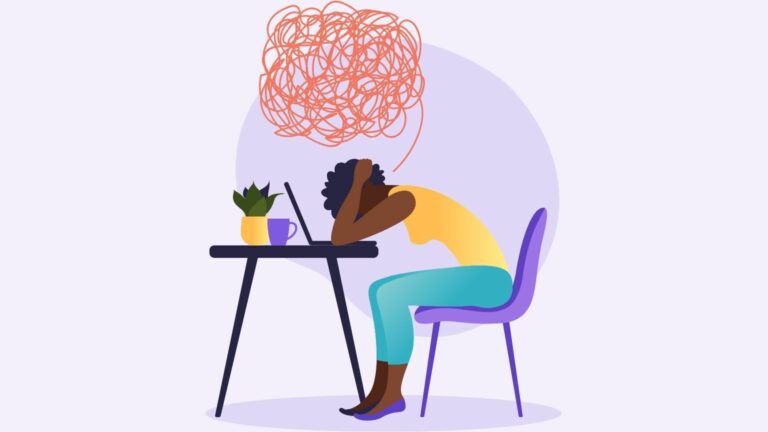
Professional life has become increasingly demanding. High expectations, long hours, constant connectivity, and performance pressures often lead to burnout and anxiety. Professional Counseling Services provide a structured, supportive environment to address these challenges. Professionals can gain clarity, restore balance, and develop lasting strategies to manage stress and emotional strain.
Understanding Burnout and Anxiety Among Professionals
Burnout occurs when work demands exceed emotional and physical capacity over time. Symptoms may include exhaustion, reduced motivation, feeling detached from work, and declining performance. Anxiety frequently accompanies burnout and manifests as persistent worry, tension, racing thoughts, and difficulty concentrating.


Workplace stress can interfere with sleep, relationships, and cognitive performance. Professionals who do not address these issues may experience ongoing fatigue, reduced resilience, and a decline in mental and emotional health. Counseling provides tools to recognize the underlying causes of stress, create coping mechanisms, and restore equilibrium.
Why Counseling Is Essential for Professionals
Counseling offers a confidential, supportive space where professionals can explore emotional challenges. Unlike casual conversations with colleagues or friends, counseling relies on structured methods guided by trained experts. Professionals receive personalized strategies tailored to their unique circumstances, helping them manage anxiety, prevent burnout, and maintain high performance.
Personalized Guidance for Individual Needs
Each professional experiences stress differently. Counseling creates individualized plans that address specific triggers and personal goals. Sessions focus on identifying patterns of thought and behavior that contribute to stress. Professionals learn to replace unhelpful thinking with practical strategies that support mental health and career performance.
Safe Space for Emotional Processing
Professionals often hesitate to express vulnerability at work. Counseling provides a secure environment for emotional expression without judgment. Individuals can process frustration, overwhelm, and performance anxiety in a constructive way. This emotional release is critical to reducing tension and preventing long-term burnout.
Development of Effective Coping Skills
Counseling equips professionals with tools to manage stress in real-time. Techniques such as cognitive restructuring, mindfulness practices, and emotional regulation strategies help mitigate anxiety and improve resilience. These coping mechanisms remain valuable beyond counseling sessions, supporting sustainable mental health.
Core Benefits of Counseling for Burnout and Anxiety
Enhanced Stress Management
Counseling teaches strategies to handle high-pressure situations calmly. Professionals learn relaxation exercises, breathing techniques, and mindfulness practices that reduce physical and emotional tension. Effective stress management restores focus, energy, and engagement in work while protecting long-term well-being.
Improved Emotional Awareness
Counseling strengthens the ability to recognize and respond to emotions intentionally. Professionals develop insight into triggers and patterns that escalate anxiety. Improved emotional awareness reduces reactive behavior, enhances communication, and fosters healthier relationships with colleagues and supervisors.
Increased Focus and Productivity
Burnout and anxiety often interfere with decision-making, attention, and cognitive clarity. Counseling helps professionals reduce mental clutter, regain concentration, and prioritize tasks effectively. This leads to higher productivity, better problem-solving, and increased confidence in professional abilities.



Better Work-Life Balance
Counseling encourages boundary-setting and self-care. Professionals learn to protect personal time, delegate responsibilities, and manage workload without guilt. Establishing clear boundaries reduces chronic stress, restores energy, and promotes a sustainable balance between career and personal life.
Support During Career Transitions
Promotions, role changes, or organizational shifts can trigger anxiety and self-doubt. Counseling provides structured guidance and emotional support during these transitions. Professionals gain clarity, build confidence, and align career decisions with personal values and long-term goals.
Greater Self-Understanding
Through reflection and guided exploration, counseling improves self-awareness. Professionals gain insight into personal strengths, stressors, and limitations. This understanding allows them to anticipate challenges, recognize early signs of burnout, and respond proactively.
Strengthened Workplace Relationships
Counseling enhances empathy and interpersonal skills. Professionals develop better communication, collaboration, and conflict resolution abilities. Improved emotional intelligence reduces tension and strengthens teamwork, creating a more supportive and productive work environment.
Counseling Approaches That Support Professionals
Cognitive Behavioral Strategies
Cognitive-based counseling helps professionals identify thought patterns that fuel anxiety and stress. By challenging unhelpful beliefs and reframing perspectives, individuals develop practical approaches to manage pressure. This method is highly effective in reducing burnout symptoms and increasing emotional resilience.
Mindfulness Practices
Mindfulness encourages staying present and aware without judgment. Professionals learn to manage intrusive thoughts, reduce rumination, and approach challenges with calm focus. Regular mindfulness practice strengthens emotional regulation and improves mental clarity.
Supportive Therapy
Supportive counseling emphasizes trust and safety. Professionals receive validation, guidance, and practical problem-solving strategies. This approach allows for emotional exploration while reinforcing coping skills and self-confidence in professional settings.
Recognizing the Need for Counseling
Professionals should consider counseling when stress and anxiety interfere with daily life. Signs include:
- Persistent fatigue and exhaustion
- Constant worry about work performance
- Difficulty sleeping or relaxing
- Loss of motivation or engagement
- Emotional irritability or numbness
- Decline in productivity and focus
Early intervention helps prevent escalation into severe mental health challenges. Counseling provides strategies for recovery, prevention, and long-term resilience.
Long-Term Impact of Counseling
Regular counseling strengthens resilience and supports sustained well-being. Professionals learn habits that protect against burnout and reduce anxiety over time. Emotional balance, clarity, and stress management skills improve career performance and personal satisfaction. Investing in counseling leads to long-term benefits for mental health and professional growth.
Conclusion
Burnout and anxiety in professional life are common but manageable. Counseling provides a structured, expert-led path to recovery, resilience, and clarity. Professionals gain practical coping skills, emotional insight, and strategies to restore balance and protect long-term well-being. Addressing stress proactively through counseling enhances productivity, strengthens workplace relationships, and promotes sustainable career success.
Partnering with Mindbase Education ensures access to quality guidance and professional resources that support mental health and career growth. Seeking support demonstrates a