A Complete Guide to Braces-Friendly Foods and Safe Eating
Wearing braces affects your eating habits significantly. Certain foods can damage brackets, bend wires, or create discomfort while prolonging treatment. Knowing what to eat with braces protects your orthodontic appliances, supports oral hygiene, and reduces pain. For guidance during the first week, follow these Braces-Friendly Diet Tips to help you adjust smoothly to life with braces.
Why Eating the Right Foods With Braces Matters
Braces gradually move teeth into proper alignment using brackets, wires, and bands. These components are delicate and require careful eating. Consuming hard or sticky foods can dislodge brackets, bend wires, or create spaces that trap food particles, leading to plaque buildup and cavities.
 The Connection Between Hormone Imbalances and Weight Gain: Testing for Answers
 The Truth About Whitening Your Teeth: Tips for a Brighter Smile
 Feeling Off? Here’s When to Head to a Health Clinic Instead of Waiting It Out
Choosing the right foods also reduces discomfort after adjustments. A balanced braces-friendly diet ensures proper nutrition without compromising treatment progress. Soft, tender foods provide the necessary energy and minerals while keeping brackets intact and teeth healthy.
Best Fruits and Vegetables for Braces
Fruits and vegetables are essential for overall health, but require careful selection with braces. Choosing softer or cooked options prevents pressure on brackets and wires while maintaining nutrient intake.
Soft and Cooked Options
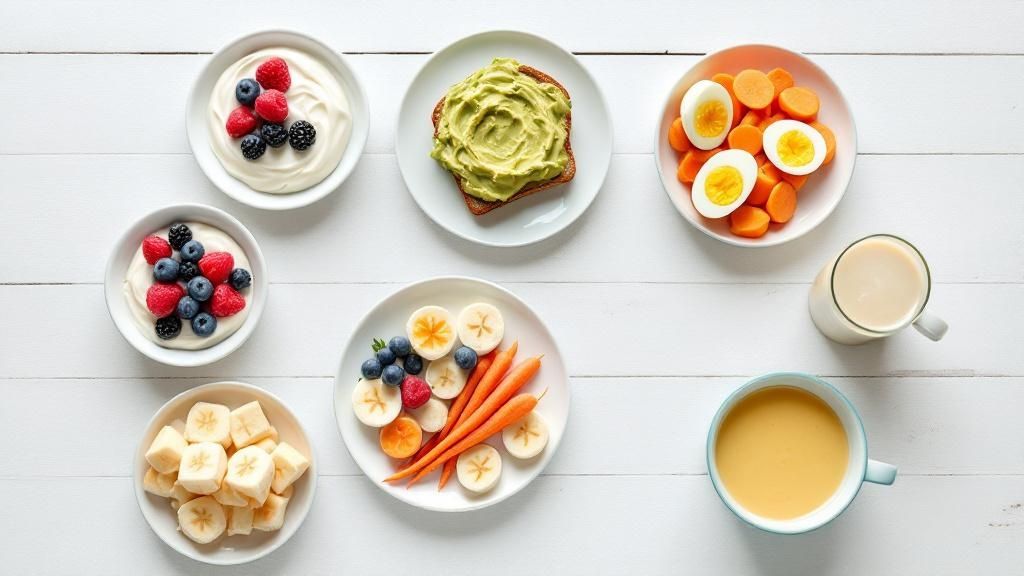
Ripe bananas, melons, and berries are naturally easy to chew. Steamed or roasted vegetables such as carrots, zucchini, and sweet potatoes are gentle on braces. Cooking vegetables until tender reduces chewing pressure and minimizes the risk of damaging appliances.
 What Causes the Need for Double Chin Removal?
 Monsoon Skincare for Sensitive Oily Skin: How to Keep Breakouts at Bay
 Why the P-Shot Is Gaining Popularity Among Islamabad Men
Processed or Pureed Options
Applesauce, canned fruits, and fruit purees provide nutrients without the hardness of raw fruits. Avocado, peeled and sliced, offers healthy fats and a smooth texture, making it ideal for braces-friendly meals. Soft fruits can be paired with yogurt or blended into smoothies for a nutritious, gentle option.
Dairy and Protein Choices That Protect Braces
Soft proteins and dairy products provide energy, support oral health, and help avoid stressing orthodontic appliances.
Soft Dairy Options
Yogurt, soft cheeses, and cottage cheese are braces-safe and rich in calcium to maintain strong teeth. Smooth textures reduce irritation to sensitive areas after adjustments and make chewing comfortable.
Tender Proteins
Scrambled eggs, soft-cooked fish, tender chicken, and tofu are excellent protein sources for braces. Beans and lentils offer fiber and protein without requiring forceful chewing. Avoid tough or chewy meats that may pull on brackets or wires. Soft protein options can be incorporated into meals in soups, stews, or casseroles for easier consumption.
Grains and Carbohydrates Suitable for Braces
Soft grains and carbohydrates are essential for energy without risking damage to braces.
- Pasta with soft sauces is easy to chew and versatile
- Rice, quinoa, and couscous are gentle on brackets and wires
- Soft breads, tortillas, and pancakes without hard crusts or nuts can be included in meals
Choosing soft or cooked grains prevents discomfort and reduces the risk of food getting trapped between brackets.
Snacks and Comfort Foods That Work With Braces
Snacking can be safe and enjoyable when you choose braces-friendly options.
- Smoothies and milkshakes are nutritious and gentle on teeth
- Pudding, gelatin, and soft desserts provide safe treats
- Soft muffins and bananas offer convenience and nutrition
Brace-friendly snacks help maintain energy levels and keep teeth and gums comfortable. Planning snacks ensures you avoid harmful foods while still enjoying variety in your diet.
Foods to Avoid With Braces
Certain foods can break brackets, bend wires, or trap food, delaying treatment and causing discomfort.
Hard and Crunchy Foods
Avoid nuts, popcorn, hard taco shells, pretzels, chips, hard pizza crust, bagels, and ice. These items can dislodge brackets or bend wires, requiring additional orthodontic visits.
Sticky and Chewy Foods
Chewing gum, caramel, taffy, and gummy candies cling to brackets and wires. These foods make cleaning difficult and increase the risk of cavities while also pulling brackets loose.
Foods You Bite Into Directly
Cut whole apples, raw carrots, corn on the cob, and firm vegetables into small pieces before eating. Biting directly into these foods can loosen braces or damage wires.
Sugary and Acidic Foods
Soda, sweetened drinks, and candy increase plaque and enamel erosion risk. While they do not physically break braces, they require thorough cleaning after consumption to maintain oral health.
Eating Right After Getting Braces
Sensitivity is common after brace placement or adjustments. Very soft foods during this period reduce discomfort.
Good options include:
- Mashed potatoes, oatmeal, and soups
- Yogurt, smoothies, and pudding
- Scrambled eggs, soft cheeses, and cooked cereals
Avoid hard, crunchy, or spicy foods until sensitivity decreases. Gradually expand your diet to include other braces-friendly options as comfort improves.
Modifying Favorite Foods for Braces
Many favorite foods can still be enjoyed with minor adjustments.
- Cut hard items into small, manageable pieces
- Steam or cook vegetables until soft
- Remove hard crusts from breads or pizzas
- Soften crunchy items in soups or sauces
These modifications allow for a more varied diet while protecting braces and maintaining treatment progress.
Practical Tips for Eating With Braces
Mindful eating habits improve comfort and protect orthodontic appliances.
Chew With Back Teeth
Using back teeth reduces pressure on brackets and wires and decreases the chance of loosening braces.
Brush and Rinse After Meals
Braces trap food easily. Brushing with a soft-bristle brush and rinsing after meals removes food particles and prevents plaque buildup.
Keep Oral Hygiene Tools Accessible
Travel toothbrushes or interdental brushes make cleaning teeth convenient when away from home. Maintaining oral hygiene helps prevent cavities and keeps braces functioning properly.
Sample Braces-Friendly Meals
Planning meals around braces-safe foods ensures nutrition and comfort.
Breakfast
- Soft scrambled eggs with cheese
- Oatmeal with fruit puree
- Smoothies with yogurt and soft fruits
Lunch
- Soft chicken noodle soup
- Rice bowls with steamed vegetables
- Sandwiches made with soft bread and tender fillings
Dinner
- Baked fish with mashed potatoes
- Soft tacos without crunchy shells
- Pasta with a gentle sauce and cooked vegetables
Snacks
- Yogurt or pudding
- Smoothies
- Soft muffins, bananas, or applesauce
Foods That Require Extra Care
Certain foods are safe when prepared thoughtfully.
- Small grains like rice may get trapped between brackets, but can be eaten slowly.y
- Soft breads may cling, but are manageable when chewed carefully
- Fruits and vegetables are safe if peeled, cut, or cooked before consumption
Being aware of these options allows for a balanced diet while avoiding potential braces issues.
Conclusion
Eating with braces does not require giving up nutritious or enjoyable foods. Choosing soft options, avoiding hard and sticky foods, and practicing mindful chewing and oral hygiene keep treatment on track. Modifying favorite foods and planning meals thoughtfully ensures comfort and safety while maintaining a healthy and balanced diet. For professional guidance and orthodontic care, trust White Lily Medical Center to support your braces journey.