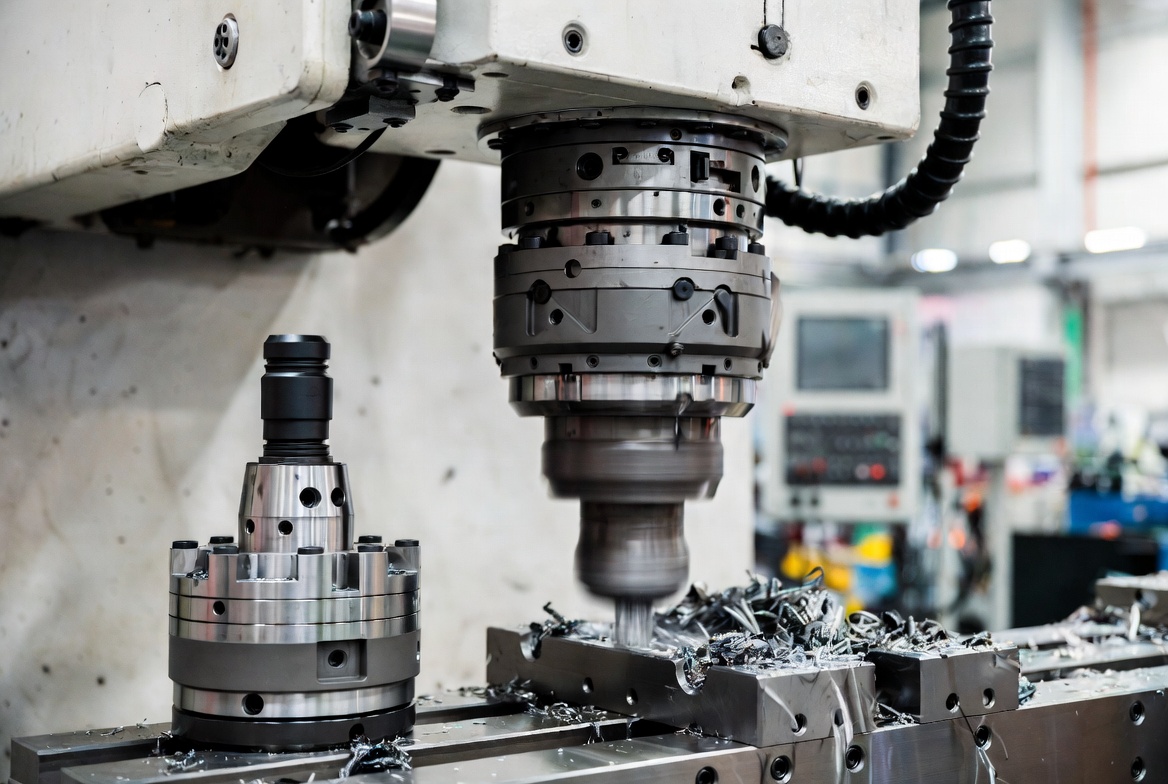
There is a shift in machining activities. Contemporary manufacturing settings require speed, accuracy, and consistency simultaneously. Cutting tools are turning at higher rates, machines are running at higher power, and the materials being machined are harder than ever. Under these demanding conditions, holding a cutting tool is of extreme importance, especially in how it is handled.
Here, the tool holders and contemporary tool-clamping technology come in very handy. A cutting tool can be made to be heavy-duty, but when clamped to the tool, it would not be efficient. The end result of machining in terms of accuracy and surface finish is determined by stability during machining.



Among the numerous work-holding options in the modern world, grip tool holders are widely used for workloads that require high torque or heavy cutting loads. Their design enables them to hold tight tool clamps while remaining precise and repeatable during machining. Understanding how these holders operate and why they are used in contemporary machining facilities makes it easier to appreciate their significance in industrial production.
What Are Tool Holders in Machining?
Tool holders are, in simple terms, equipment that hold cutting tools against machine spindles. They establish contact between the machine and the cutting tool, enabling the transfer of power and motion in an efficient manner.
Even the most sophisticated CNC machines cannot deliver accurate results without adequate tool clamping. A loosely held tool may move slightly during machining, leading to dimensional errors, a poor finish, or high tool wear. A typical tool holder system includes several components:
- The holder body that connects to the machine spindle
- A clamping mechanism that grips the cutting tool
- Interfaces that ensure accurate alignment
In operations such as milling, drilling, and turning, the milling machine tool holder becomes the central element that keeps the cutting tool stable while it removes material from the workpiece.
Why Tool Clamping Is Important in Heavy-Duty Machining?
Cutting forces are usually high during machining. Hardened steel, titanium, or massive metal blocks boast of tremendous cutting power and high torque. Strong tool clamping is a matter of concern in such situations. In case a cutting tool is not firmly held, various issues may manifest themselves:
- Tool vibration during cutting
- Reduced machining accuracy
- Premature tool wear
- Damage to machine spindles
- Poor surface finish
Due to these difficulties, manufacturers use sophisticated tool-clamping technology to stabilise tools under high-load conditions. Secure clamping enhances cutting tools’ ability to resist torque that can cause sliding and motion during the machining process.
What Are Grip Tools and Holders?
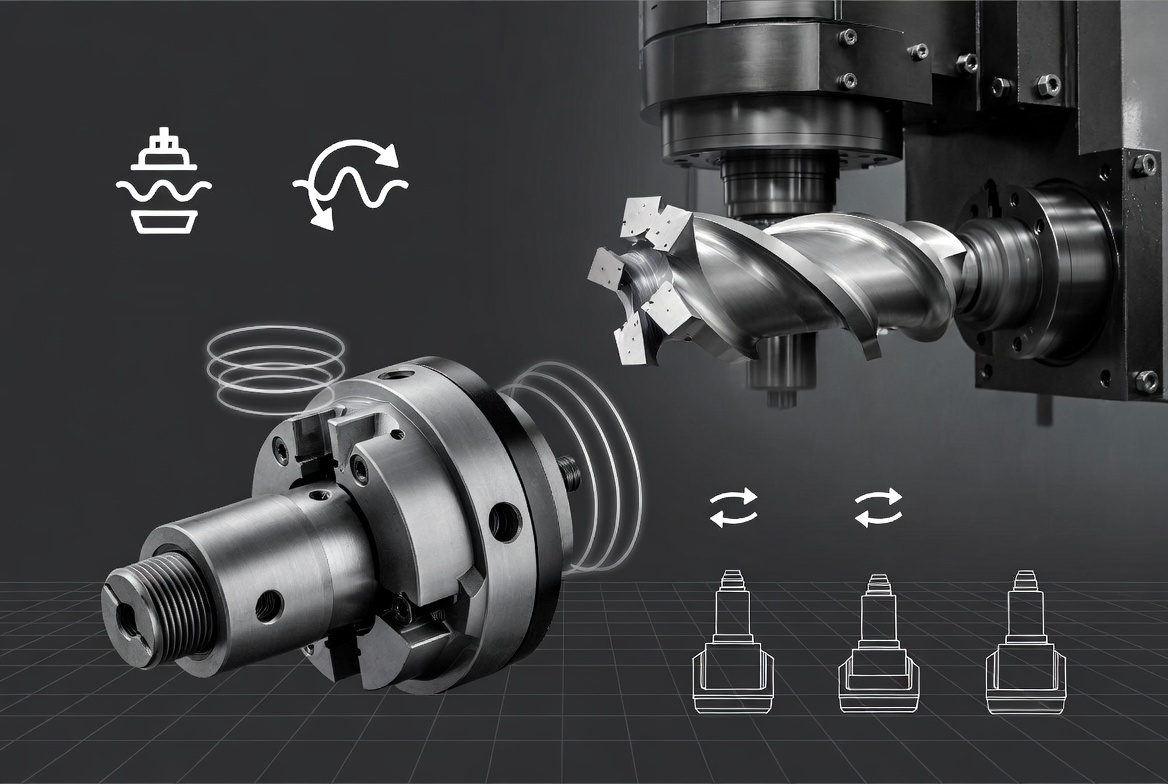
Grip tool holders are specialised holders designed to provide extremely strong tool clamping. They are often used in machining environments where cutting forces are high, and stability is essential.

Unlike traditional holders that rely on simple mechanical tightening, grip holders use advanced clamping mechanisms that increase holding strength while maintaining precise alignment. These holders are especially useful in applications that require:
- High torque transmission
- Heavy material removal
- Stable machining at high spindle speeds
Because of their design, grip tool holders are considered reliable solutions for industries where machining accuracy cannot be compromised.
How Does Tool Clamping Technology Work?
The current tool-clamping technology has three key targets: stability, precision, and repeatability. The tool should be firmly fixed in a clamping device and at right angles to the spindle axis. The tool may generate vibrations or upcutting forces if it is slightly out of position.
Grip holders use a clamping system that distributes the force evenly around the cutting tool. This ensures a balance and eliminates the chances of tools moving during machining. It is a process that normally includes:
- Inserting the cutting tool into the holder
- Applying controlled clamping force
- Ensuring the tool remains centred during rotation
Because the clamping pressure is evenly distributed, the cutting tool remains stable even under heavy cutting loads.
Why Are Grip Tool Holders Ideal for High-Torque Applications?
High-torque machining generates strong rotational forces that can cause tool slippage if the holder is not sufficiently robust. This is why grip tool holders are often chosen for such operations.
Their design allows them to handle heavy torque while maintaining secure tool clamping. Advantages of grip tool holders in high-torque machining
- Strong tool-holding capability
- Better resistance to cutting forces
- Improved stability during heavy cutting
- Reduced tool movement under load
Because the tool remains firmly clamped, the machine can operate at higher cutting speeds without compromising safety or accuracy.
Role of Precision Tool Holders in Machining Accuracy
A precision tool holder ensures the cutting tool is correctly aligned with the machine spindle. This alignment is essential for achieving consistent machining results.
Even a small misalignment can cause tool runout, affecting dimensional accuracy. Precision holders help minimize these issues by keeping the tool perfectly centred. Benefits of using precision tool holders
- Improved machining accuracy
- Better surface finish on machined parts
- Reduced tool wear
- Greater process reliability
For industries where tight tolerances are required, the use of a precision tool holder becomes an important part of the machining process.
Why Milling Operations Depend on Reliable Tool Holders
One of the most frequently used manufacturing processes is machining, primarily milling. Rotating cutting tools remove material from the workpiece, and the machine moves along a series of axes during the milling process. In such operations, the milling machine tool holder plays a very important role in stability. As milling tools are high-speed tools and forces change throughout the milling process, the holder must be designed to ensure the tool remains the same at all times.
The machining process can produce incorrect results due to an unstable clamping system or a malfunctioning related system. Milling machines are efficient to use, and the level of accuracy required can be achieved with good tool holders.
Industries That Use Grip Tool, Holders
Grip tool holders are very common in industries where heavy machining is routine.
- Automotive Manufacturing: high cutting forces are often required when working with engine blocks, transmission components, and structural parts. The tool holders must remain stable during machining.
- Aerospace engineering: Components of aircraft are frequently manufactured from hard-to-machine materials, e.g., titanium or other hard metals. The tool clamping should be secured to ensure accurate machining.
- Tool and die making: Fine machining are required to produce precision tools and molds. Grip holders are used to provide stable tool clamping during complex cutting processes.
- Production of heavy machinery: Large industrial parts will demand high-powered machining operations. There is strong tool-clamping technology that keeps the tools firm even under heavy loads.
Advantages of Using Grip Tool Holders
Manufacturers often choose grip tool holders because they offer several advantages over traditional clamping methods.
- High torque transmission capability
- Improved machining stability
- Reduced vibration during cutting
- Better tool life and reduced wear
- Greater reliability during heavy machining
These advantages allow machining operations to run more smoothly while maintaining consistent production quality.
How Grip Tool Holders Improve Productivity
Apart from improving accuracy, grip tool holders also help increase productivity in machining environments. Because tools remain securely clamped, machines can operate at higher cutting speeds and feed rates. This reduces machining time while maintaining quality.
Improved stability also means fewer interruptions caused by tool movement or vibration. Productivity improvements achieved through grip tool holders
- Faster machining operations
- Lower tool replacement frequency
- Reduced downtime during production
- Better overall process efficiency
These benefits are particularly important for industries that operate high-volume production lines.
Future Developments in Tool Clamping Technology
Manufacturing technology continues to evolve, and tool clamping technology is improving along with it. Modern tool holders are now being designed with advanced features such as:
- Improved vibration-damping systems
- Advanced materials that reduce weight
- Enhanced precision alignment mechanisms
- Integration with automated machining systems
These developments help manufacturers achieve higher machining efficiency while maintaining strict quality standards. As machining processes become more complex, the importance of reliable tool holders will continue to grow.
Conclusion
In contemporary machining conditions, the manner in which the cutting tool is held can greatly affect the overall effectiveness of the process. There is an effective tool for clamping stability, accuracy, and repeatability of machining operations. Grip tool holders offer a strong clamping force and solid performance in everyday machining. Their ability to still hold the tools in a stable position is useful in an industry that needs precision in manufacturing.
From the automobile and aerospace industries to heavy engineering, tool clamping technology has evolved and is used to maintain machining efficiency and product quality. With a good or sturdy tool holder in milling machines, companies can be assured that cutting tools will deliver maximum performance and provide repeatable, accurate machining outcomes.