Introduction
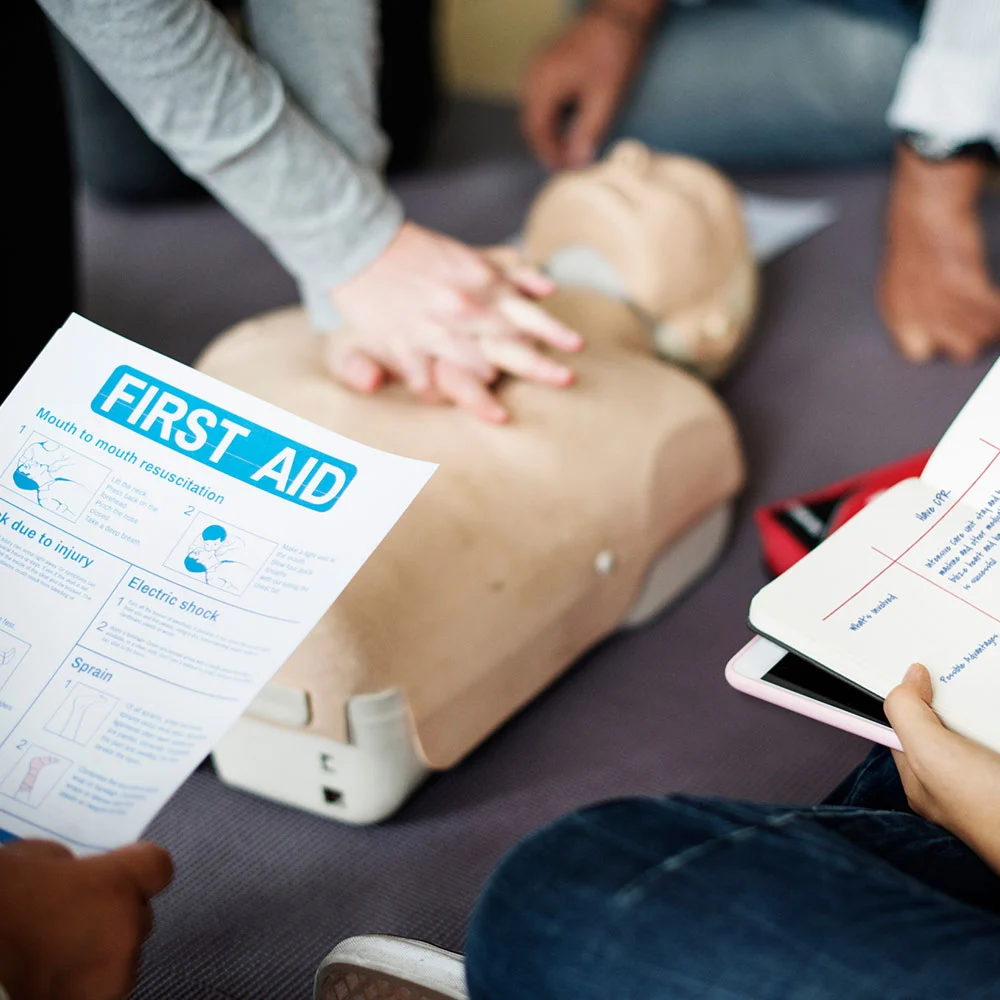
Emergencies can happen at any moment, whether at home, work, or in public. Being prepared to act quickly can save lives, and dual CPR and first aid certification ensures you have the knowledge and skills to do so. Many people hesitate during emergencies because they feel unprepared or unsure of what to do. Completing a dual certification course builds confidence, teaches essential techniques, and empowers you to respond safely and effectively in critical situations.
Why CPR Skills Are Important
Cardiopulmonary resuscitation, or CPR, is a life-saving method used when a person’s heart stops beating. Learning CPR is important because it maintains blood flow to vital organs until professional help arrives. Key aspects include:
- Chest compressions: Keep blood circulating to the brain and heart.
- Rescue breaths: Deliver oxygen when trained to do so.
- Immediate response: Acting quickly increases survival chances significantly.
Even basic CPR knowledge can make a real difference during cardiac emergencies.
First Aid: The Basics Everyone Should Know
First aid provides immediate care to someone who is injured or suddenly ill. It helps prevent conditions from worsening and keeps a person stable until professional assistance arrives. Essential first aid skills include:
- Controlling bleeding: Apply pressure with a clean cloth or bandage.
- Treating burns: Cool the area with running water and cover lightly.
- Choking interventions: Use back blows or abdominal thrusts safely.
- Handling fractures: Stabilize injured limbs to prevent further harm.
- Managing shock: Keep the person calm, warm, and comfortable.
Having these skills ensures you can respond effectively to both minor and major emergencies.
Benefits of Dual Certification
Completing a dual CPR and first aid certification offers several advantages:
- Comprehensive preparedness: You are ready for both cardiac and non-cardiac emergencies.
- Time-efficient learning: Gain two critical skill sets in one course.
- Confidence in emergencies: Hands-on practice helps skills stick.
- Safety for all: Protect family, coworkers, and strangers in various situations.
Dual certification equips learners with a well-rounded set of tools to act effectively in real-world emergencies.
Choosing the Right Program
Not all courses are created equal. When choosing a program, look for the following:
- Official certification: Ensure your certificate is widely recognized.
- Hands-on learning: Practical exercises reinforce essential techniques.
- Qualified instructors: Experienced trainers provide accurate guidance.
- Flexible options: Online or in-person courses fit different schedules.
A high-quality program ensures you leave confident, capable, and prepared to act when needed.
Why MyCPR NOW Stands Out
MyCPR NOW offers a convenient, effective option for dual certification. Here’s what makes it a great choice:
- Complete curriculum: Covers both CPR and first aid thoroughly.
- Interactive training: Hands-on practice helps retain knowledge.
- Accessible learning: Flexible course formats make training easier to complete.
- Recognized certification: Demonstrates readiness to handle emergencies professionally.
For those seeking reliable dual certification, CPR & First Aid | MyCPR NOW provides an effective and practical program.
Real-Life Situations Where Certification Matters
Dual training is useful in everyday emergencies. Some examples include:
- A coworker collapses unexpectedly at the office
- A child chokes during a meal
- Someone suffers a kitchen burn or minor cut
- A stranger experiences sudden cardiac arrest in public
Having both CPR and first aid skills allows you to act calmly and confidently in critical moments.
Keeping Skills Up to Date
Certification is just the start. Skills need to be refreshed regularly to remain effective. Ways to maintain proficiency include:
- Refresher courses: Short updates reinforce techniques.
- Practice drills: Simulations or mannequins keep skills fresh.
- Staying informed: Updated guidelines ensure proper care.
- Teaching others: Sharing knowledge reinforces your own understanding.
Ongoing practice ensures you are always prepared for emergencies.
Common Misconceptions About CPR and First Aid
Many hesitate to act due to myths or fear. Understanding the truth is key:
- Myth: Only medical professionals can perform CPR.
Fact: Anyone trained can safely provide CPR. - Myth: Acting might worsen injuries.
Fact: Immediate care is usually safer than waiting. - Myth: First aid is only for serious injuries.
Fact: Even minor interventions prevent complications and aid recovery.
Knowing the facts encourages timely and confident action.
Conclusion
Dual CPR and first aid certification equips you with life-saving skills and confidence. It prepares you to respond effectively during emergencies at home, work, or in public spaces. Choosing a high-quality program like MyCPR NOW ensures thorough training, hands-on practice, and official recognition. By completing dual certification, you are ready to protect family, friends, and strangers alike. Being trained shows responsibility, readiness, and the ability to make a real difference when it matters most.
For a trusted and convenient dual certification option, enroll in CPR & First Aid | MyCPR NOW today.