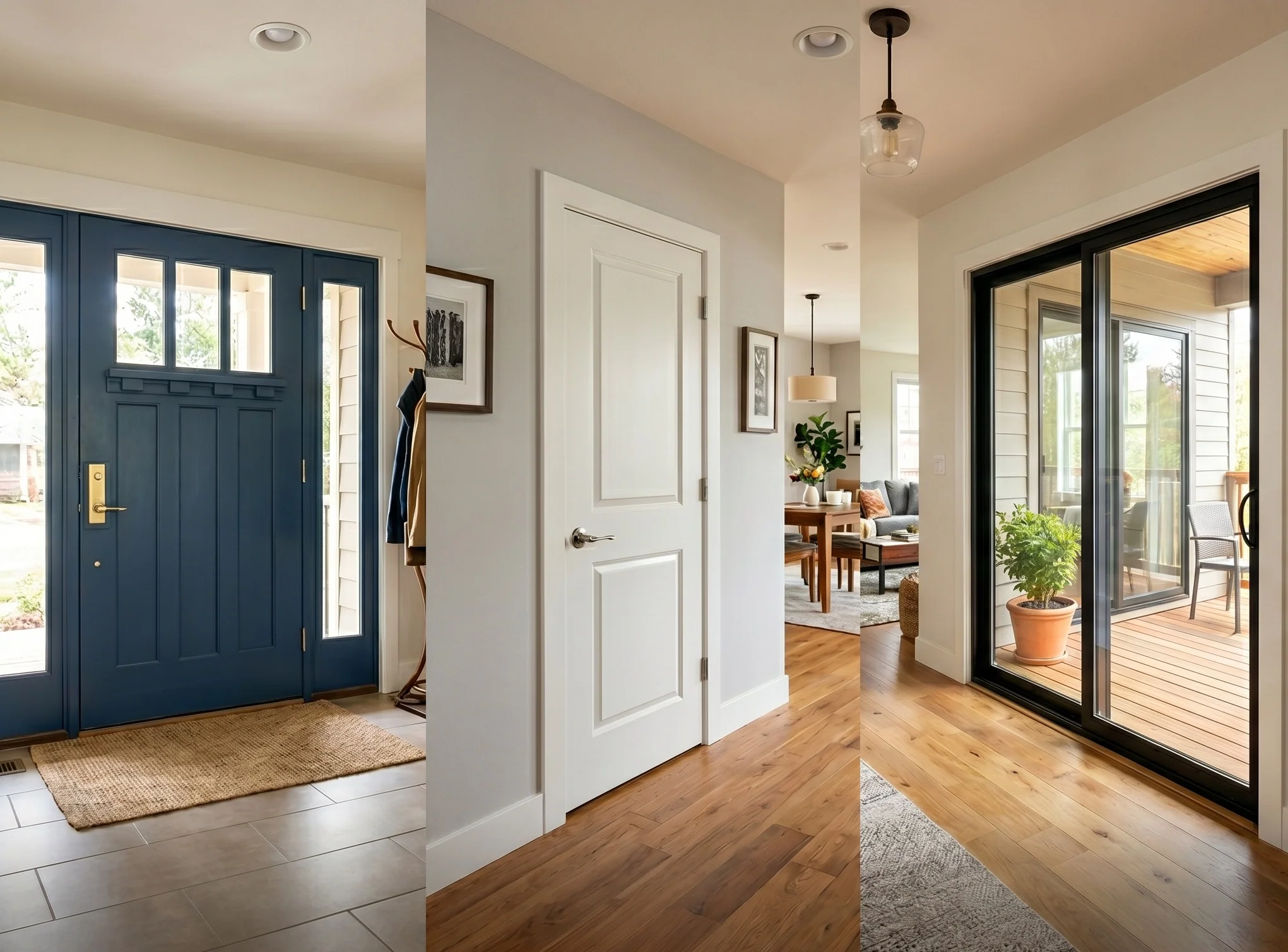
Whether you’re building a new home, renovating your entryway, or simply replacing a worn-out front door, understanding the standard exterior door size is one of the most important first steps. Getting the dimensions right ensures a proper fit, energy efficiency, curb appeal, and compliance with building codes. In this comprehensive guide, we’ll break down everything you need to know about exterior door sizes — from standard measurements to custom options and real-world luxury examples.
The Standard Exterior Door Size
The most common exterior door size in the United States is 36 inches wide by 80 inches tall (3’0″ × 6’8″). This dimension has become the universal standard for residential front entries, designed to meet both building codes and accessibility requirements.
Here’s a quick breakdown of the standard measurements:
- Width: 36 inches (approximately 91.4 cm)
- Height: 80 inches (approximately 203.2 cm)
- Thickness: 1¾ inches (approximately 4.4 cm)
Exterior doors are notably bigger than interior doors, with 36 inches being the standard — and you’ll appreciate those extra inches when moving furniture like a new sofa inside. Interior doors, by comparison, typically range from 24 to 32 inches in width while sharing the same 80-inch height.
Why Is 36×80 the Standard?
The 36×80-inch dimension wasn’t chosen arbitrarily. There are several practical reasons behind it:
- Accessibility Compliance: The Americans with Disabilities Act (ADA) requires a minimum clear opening width of 32 inches. A 36-inch door comfortably meets this requirement, ensuring wheelchair and mobility device access.
- Furniture & Appliance Movement: A 36-inch opening allows large items like couches, refrigerators, and mattresses to pass through without difficulty.
- Structural Integrity: The 80-inch height fits standard wall framing (typically 8-foot ceilings), keeping construction costs efficient.
- Energy Efficiency: Standardized sizes mean better-fitting weatherstripping, seals, and frames — reducing drafts and energy loss.
Other Common Exterior Door Sizes
While 36×80 is the most popular, exterior doors come in a variety of sizes depending on the design and function. The majority of doors typically fall within these dimensions: Width (30–36 inches), Height (80–96 inches), Thickness (1⅜–1¾ inches).
| Door Type | Width | Height |
| Standard Single Entry | 36″ | 80″ |
| Wide Single Entry | 42″ | 80″–96″ |
| Double Entry Door | 72″ (2 × 36″) | 80″–96″ |
| Grand/Custom Entry | 48″+ | 96″+ |
Grand entrances can exceed 48 inches in width, and taller doors of 96 inches (8 feet) are becoming increasingly popular in modern and luxury home designs.
Metric Conversions: A Word of Caution
If you’re working with metric system plans, you must convert the unit carefully because even a few millimeters off can mean the door is too tall or too wide for the frame to close properly. The standard 36×80-inch door converts to approximately 914 mm × 2032 mm. Always double-check measurements before ordering.
Real-World Example: James Hetfield’s House and Its Grand Entryways
To understand how door sizing plays a role in luxury home design, let’s look at a real-world example that goes far beyond the standard 36×80 dimensions James Hetfield’s House in Vail, Colorado.
James Hetfield, the powerhouse frontman of Metallica, is reportedly worth around $300 million, and his home in Vail is worth about $27.5 million . He purchased this stunning 11,509 sqft property for $23 million in 2017 . The house includes seven bedrooms, ten bathrooms, a music studio, and a home theatre . Located at the base of the Vail ski resort, the residence provides him with the luxury of ski-in and ski-out access .
James Hetfield’s House isn’t your average celebrity pad — it’s packed with music memorabilia, breathtaking mountain views, and a house design that screams both comfort and creativity . The property reflects his personality and creative spirit, with areas suitable for recording, relaxing, and entertaining guests .
In luxury estates like this, front doors and entryways often measure 48 to 60 inches wide and 96 to 120 inches tall — sometimes even larger for double-door configurations. With nearly 12,000 square feet of living space , a standard 36-inch door would look entirely out of proportion. These grand entryways serve both functional and aesthetic purposes: they create a dramatic first impression, flood the foyer with natural light (especially when paired with sidelites and transoms), and complement the scale of expansive living spaces.
Before he moved to Colorado, James Hetfield lived in Novato, California, in an estate called a “rock star dream home” by fans . Whether in California or Colorado, the takeaway remains the same — your door size should be proportional to your home’s architecture. A standard 36×80 door might look undersized on a sprawling mansion, just as an oversized custom door could overwhelm a modest bungalow. The right door size is about balancing functionality, aesthetics, and building codes.
How to Measure for an Exterior Door
Before purchasing a new exterior door, accurate measurement is critical. You need to properly match the width and height of the slab to the rough opening before purchasing and installing. Here’s a step-by-step guide:
- Measure the Width: Measure the distance between the inside edges of the door frame at the top, middle, and bottom. Use the smallest measurement.
- Measure the Height: Measure from the top of the threshold to the inside top of the frame on both sides. Again, use the smallest measurement.
- Measure the Thickness: Measure the thickness of the existing door slab to ensure the new door matches.
- Check the Rough Opening: The rough opening should be about 2 inches wider and 2.5 inches taller than the door slab to allow for shimming and leveling.
Tips for Choosing the Right Exterior Door Size
- Check local building codes — requirements can vary by region and municipality.
- Consider future accessibility needs — a 36-inch minimum width is recommended even if not currently required.
- Think about your home’s style — modern homes often benefit from taller 96-inch doors, while traditional homes look great with standard 80-inch entries.
- Go custom when needed for unique openings or specific design goals.
- Consult experienced contractors or door suppliers for personalized advice tailored to your project.
Conclusion
Understanding the standard exterior door size of 36×80 inches is essential for any homeowner planning a build, renovation, or door replacement. While this size works perfectly for most residential homes, luxury properties — like James Hetfield’s House in Vail, Colorado — demonstrate that custom and oversized doors can elevate a home’s design to an entirely new level. Whether you’re working with a modest budget or building your dream mansion, always measure carefully, check local codes, and consider both aesthetics and functionality.
If you’re looking for more expert guidance on home design, home décor, and home improvement ideas, be sure to visit Home Comfort Experts. Their platform is a fantastic resource for homeowners seeking practical tips, creative inspiration, and professional advice to make every corner of their home — starting with the front door — look and feel its absolute best. From interior styling and luxury home breakdowns to exterior upgrades and renovation tips, Home Comfort Experts has you covered with trusted, up-to-date content that helps you turn your house into the comfortable, beautiful home you deserve.