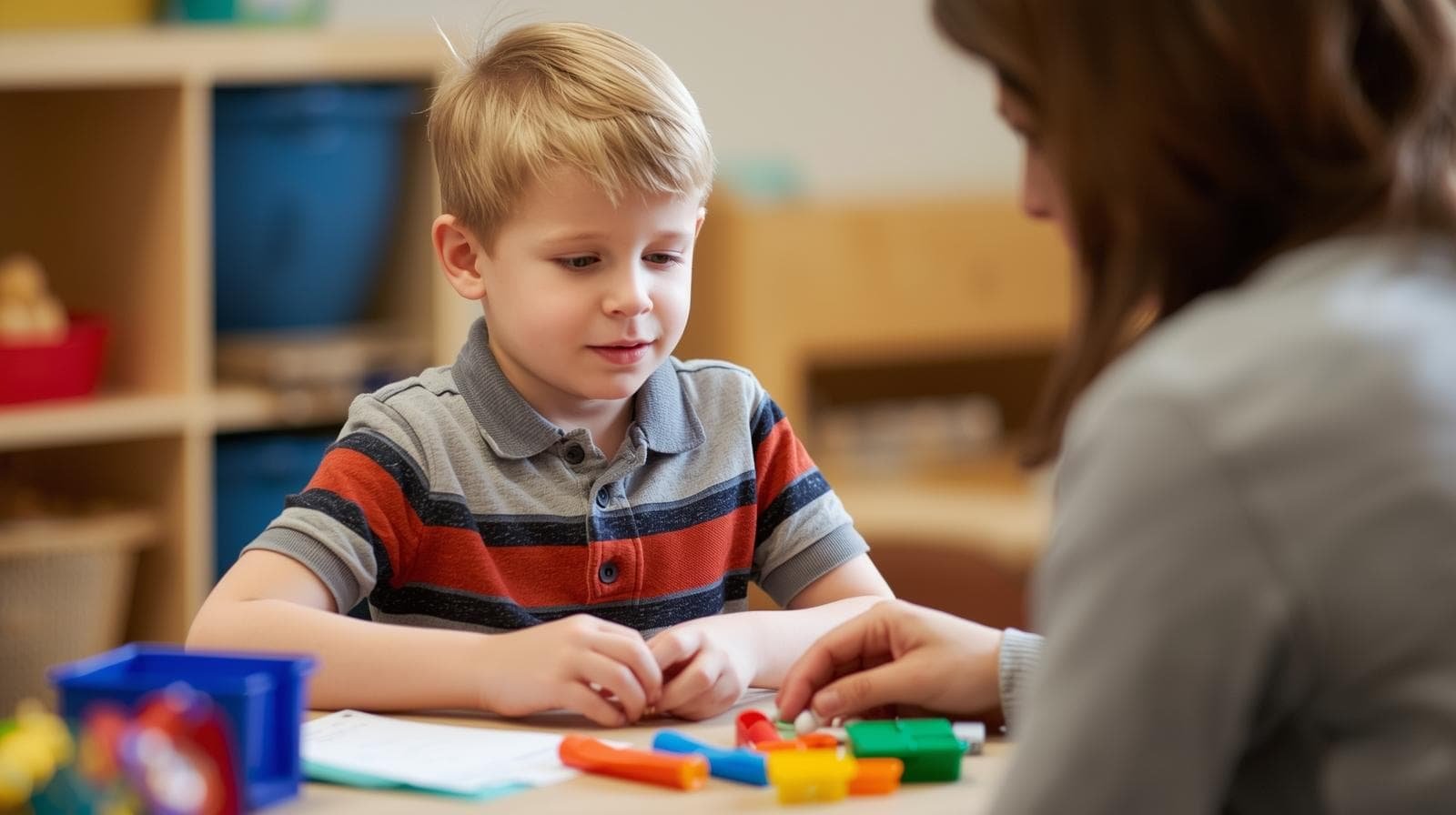
Children experience a wide range of emotions as they grow. Happiness, excitement, frustration, sadness, fear, and anger are all natural parts of childhood. However, when emotional or behavioral challenges begin to interfere with school, friendships, family relationships, or everyday activities, additional support may be helpful. Therapy can provide children with a safe environment where they can express themselves, understand their emotions, and develop healthier ways to cope with challenges.
For parents and caregivers, recognizing when a child may need professional support can sometimes feel difficult. Children do not always have the words to explain what they are experiencing, and changes in behavior may be their way of communicating that something is wrong. With compassionate guidance and age-appropriate strategies, children can learn valuable skills that support their emotional well-being both now and as they grow.
Understanding Emotional and Behavioral Challenges in Children
Childhood can involve many transitions and challenges. Starting school, moving to a new environment, experiencing changes within the family, dealing with friendship difficulties, or struggling academically can all affect a child’s emotional well-being. Some children may adjust quickly, while others may need additional support.
Emotional and behavioral concerns can appear in many different ways. A child might become unusually withdrawn, have frequent emotional outbursts, struggle with concentration, experience persistent worries, or lose interest in activities they previously enjoyed. Changes in sleep, eating habits, social interactions, or school performance may also indicate that a child is having difficulty coping.
Not every behavioral change means a child needs therapy. Children naturally go through periods of adjustment. However, when concerns are persistent, become more intense, or significantly affect daily life, speaking with a qualified behavioral health professional can help parents better understand what may be happening and what support could be appropriate.
How Therapy Can Support a Child’s Development
Therapy is not simply about discussing problems. For children, therapeutic support is often adapted to their developmental stage, communication style, interests, and individual needs. Younger children may communicate more comfortably through play, drawing, storytelling, or other creative activities, while older children may benefit from conversations and practical exercises.
A therapist can help children recognize and name their emotions, understand what triggers difficult feelings, and practice strategies for responding to challenging situations. Over time, these skills can make it easier for children to manage frustration, communicate their needs, and navigate everyday challenges.
Therapy may also provide children with an opportunity to develop problem-solving skills. Instead of feeling overwhelmed by a difficult situation, a child can learn to break the problem into manageable steps and consider different ways of responding.
Building Better Emotional Regulation Skills
Emotional regulation is an important skill that develops throughout childhood. Children are not expected to manage every emotion perfectly, but they can gradually learn how to recognize what they are feeling and respond in constructive ways.
Therapeutic strategies may teach children techniques for calming themselves when they feel overwhelmed. Depending on the child’s needs and developmental level, these strategies might include breathing exercises, mindfulness activities, identifying emotions, creating routines, practicing communication skills, or developing healthy coping mechanisms.
These skills can be useful in many areas of life. A child who learns how to manage frustration may find it easier to handle disagreements with siblings or classmates. A child who learns to identify anxious thoughts may become more comfortable discussing worries with a trusted adult.
Supporting Children Through Anxiety and Stress
Anxiety can affect children in different ways. Some may frequently seek reassurance, avoid certain situations, complain about physical discomfort, or have difficulty separating from parents or caregivers. Others may become quiet or appear unusually cautious.
Therapy can give children an opportunity to explore worries in a supportive environment. Instead of simply telling a child not to worry, a therapist can help them understand anxious thoughts and gradually develop strategies for dealing with uncertainty.
Parents can also play an important role by listening without immediately dismissing a child’s concerns. Statements that acknowledge a child’s feelings can help them feel understood while encouraging them to build confidence in handling difficult situations.
Helping Children Improve Communication
Communication skills are essential for healthy relationships. Yet children may struggle to explain what they need, especially when they are angry, embarrassed, scared, or overwhelmed.
Therapy can help children practice expressing emotions and needs in ways that others can understand. They may learn how to identify specific feelings, communicate boundaries, ask for help, and handle disagreements more effectively.
Improved communication can benefit the entire family. When children have better ways to express themselves, parents and caregivers may have a clearer understanding of what is contributing to certain behaviors. This can create opportunities for more productive conversations and stronger relationships.
The Role of Parents and Caregivers
Professional therapy works best when children have supportive adults around them. Parents and caregivers can reinforce healthy strategies at home by maintaining consistent routines, listening to their children, encouraging open communication, and recognizing positive progress.
Depending on the child’s circumstances, parents may also participate in portions of the therapeutic process. This can help caregivers understand strategies that may be useful outside of sessions and create greater consistency between therapy, home, and school environments.
It is also important for parents to avoid expecting immediate changes. Emotional and behavioral development takes time. Progress may happen gradually, and setbacks can be a normal part of learning new skills.
Creating a Comfortable Therapeutic Environment
A child’s comfort with therapy can have a significant impact on their experience. Children may initially feel uncertain about meeting a therapist or talking about personal experiences. A supportive environment can help reduce that discomfort and allow trust to develop naturally.
A dedicated behavioral health team focuses on providing compassionate support that recognizes the individual needs of children and their families. A child-centered approach helps young clients feel heard while giving them opportunities to develop practical emotional and behavioral skills.
The goal is not to make every child respond to challenges in exactly the same way. Instead, therapy can help children discover strategies that fit their personalities, circumstances, developmental levels, and individual experiences.
Recognizing When Your Child May Need Additional Support
Parents do not have to wait until a concern becomes overwhelming before seeking professional guidance. If emotional or behavioral difficulties are persistent or are affecting a child’s relationships, education, family life, or ability to participate in everyday activities, discussing those concerns with a qualified professional may be a useful step.
Some signs that may warrant additional attention include ongoing sadness, frequent anger, significant anxiety, social withdrawal, persistent difficulties at school, major changes in behavior, trouble coping with everyday situations, or difficulty communicating emotions.
Every child is different, so there is no single checklist that determines whether therapy is necessary. A professional evaluation can provide parents with a better understanding of their child’s needs and help identify appropriate support.
Helping Children Build Skills for a Healthier Future
Children therapy can give young people a supportive space to understand difficult emotions, build practical coping skills, strengthen communication, and develop greater confidence in handling everyday challenges. When children receive appropriate support early, they can have more opportunities to practice these skills while navigating the experiences that come with growing up.
Seeking therapy does not mean that a child is failing or that parents have done something wrong. It simply means that a family is taking emotional and behavioral concerns seriously and looking for constructive ways to address them. Just as children may need guidance when learning academic or physical skills, they can also benefit from guidance as they learn to understand emotions and relationships.
With patience, consistency, and appropriate professional support, children can develop skills that remain useful throughout their lives. Therapy can become one part of a broader support system that includes parents, caregivers, teachers, counselors, and other trusted adults.
For families considering behavioral health support, taking the first step can begin with a conversation. Understanding what a child is experiencing and learning about available options can make the path forward feel more manageable. With the right approach, children can receive the encouragement and tools they need to navigate challenges, strengthen relationships, and continue developing into confident and resilient individuals.