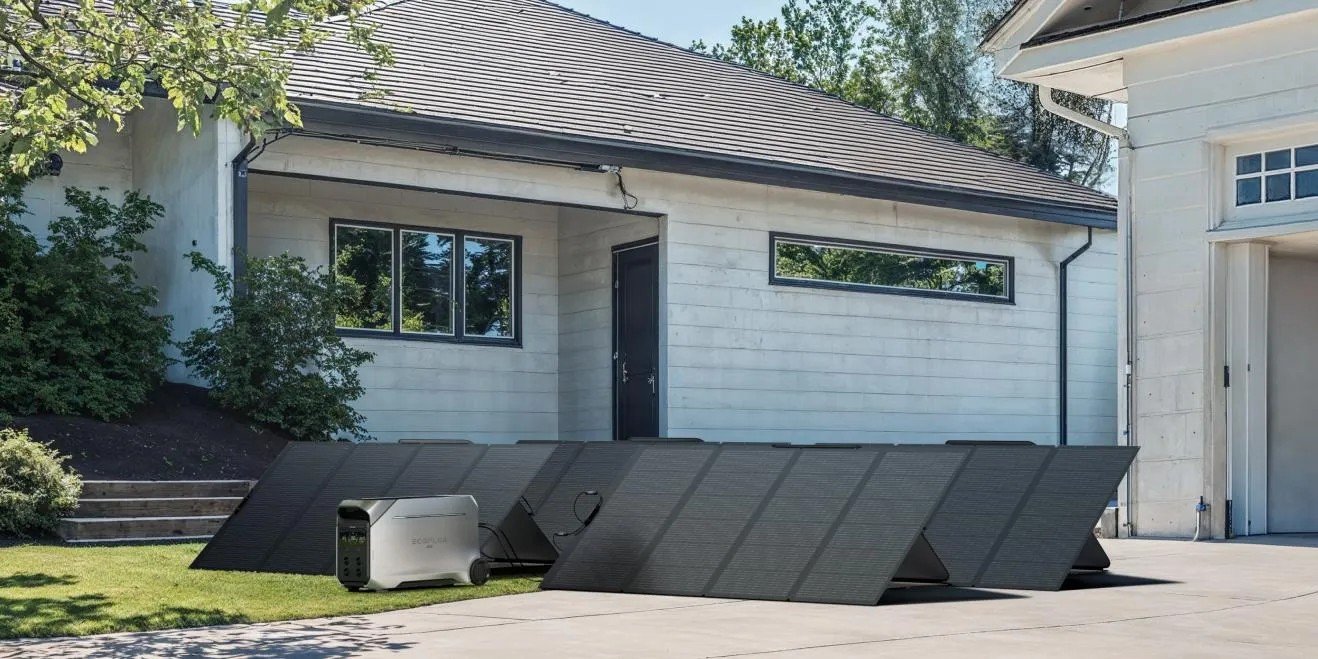
Home solar battery shopping for renters should focus on practical fit, not just headline capacity. A good unit needs to work within limited floor space, move without major installation, power the devices you actually use, and recharge in ways your lease allows. It should also give clear visibility into battery status so you can manage outages, daily charging, or occasional off-grid use with confidence. Comparing a few key features makes the decision easier and prevents buying more bulk than you need or too little backup for essentials. The five areas below help renters judge whether a battery suits apartment, condo, or house rental living.
Compare Physical Size and Everyday Power Needs
1. Portability and Placement Requirements
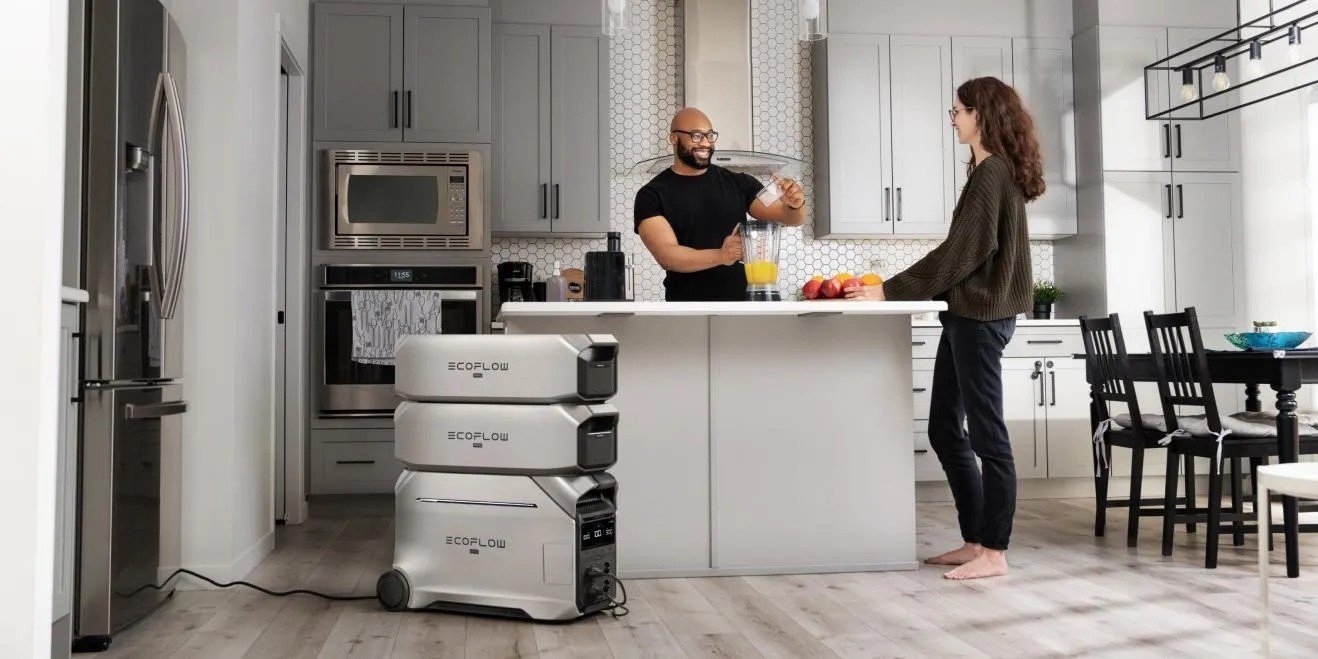
Renters usually need a battery that fits around existing furniture, storage limits, and lease rules. Start by checking dimensions, weight, handle design, and whether the unit can roll or must be lifted. Placement matters too: you may want it near a desk, kitchen outlet, or balcony access for charging, without blocking walkways. The EcoFlow DELTA Pro 3 measures 693 × 341 × 410 mm and weighs 51.5 kg, so it is portable in the sense that it does not require permanent installation, but it still needs planned floor space. For many renters, that makes it better suited to a stable corner or utility area than frequent room-to-room carrying.
2. Battery Capacity and Expansion Options
Capacity determines how long your essentials can run before recharging. Renters should estimate daily needs first: phones, laptops, Wi-Fi, lighting, fans, or a compact fridge usually matter more than whole-home backup. Buying too little battery leads to short runtimes, while buying too much can waste space and budget. Expansion is especially useful in rentals because your power needs may change after a move, a remote-work setup, or seasonal weather. Look for systems that start at a practical size and scale later instead of forcing a one-time oversized purchase. EcoFlow DELTA Pro 3 offers expandable capacity from 4–12 kWh, giving renters room to match backup power to changing living arrangements.
Compare Appliance Support, Charging, and Controls
3. Continuous Output and Useful Connections
A battery may have strong capacity but still fall short if its output cannot support your appliances. Renters should compare continuous AC output for everyday loads and surge rating for startup-heavy devices such as refrigerators or small air conditioners. Port variety matters just as much. Standard AC outlets cover home essentials, while USB-C can simplify charging phones, tablets, and laptops without extra adapters. EcoFlow DELTA Pro 3 provides 4,000W continuous AC output and an 8,000W surge rating, which is enough for many demanding household devices during outages or temporary off-grid use. It also includes two USB-C ports rated up to 100W each for fast, direct charging of personal electronics.
4. Solar Compatibility and Recharging Flexibility
Renters often face charging constraints, so flexibility is essential. Some can use standard wall outlets only, while others may have balcony access, a patio, or temporary outdoor space for portable solar panels. Compare how a battery handles grid charging, solar input, and mixed charging options, especially if you want faster turnaround between uses. A higher solar input ceiling can reduce recharge time when sunlight is available, but the setup still needs to match your rental’s layout and rules. EcoFlow DELTA Pro 3 supports up to 2,600W maximum solar input across two ports, giving renters more room to build a practical panel setup without relying on one single charging method alone.
5. Battery Durability and Monitoring
Durability matters because a home solar battery is a long-term purchase, even if your rental address changes. Battery chemistry affects safety, lifespan, and value over time, so renters should favor designs built for years of repeated charging rather than occasional emergency use only. EcoFlow DELTA Pro 3 uses LFP chemistry and is rated for 4,000 cycles to 80%, which supports regular use with slower long-term degradation than shorter-life alternatives. Monitoring is equally important in shared or changing spaces. App-based controls help you check charge level, input and output, and operating status without hovering over the unit. EcoFlow app connectivity adds convenient monitoring and supported controls for day-to-day battery management.
Does the DELTA Pro 3 Fit Your Rental Setup?
The DELTA Pro 3 fits a rental setup best when you want substantial backup power without permanent installation. It makes sense for renters in larger apartments, townhomes, or rental houses who need to support more than phones and lights, especially remote workers or households preparing for outages. Its size and 51.5 kg weight mean you should have a dedicated spot rather than expect grab-and-go convenience. It is also a stronger match if you value future flexibility, since expandable capacity can adapt after a move. If your priority is powering multiple appliances, recharging from several sources, and monitoring performance easily, the DELTA Pro 3 is a practical rental-friendly option.
Conclusion
Renters should compare home solar batteries by asking five direct questions: Will it fit the space, cover real energy needs, run key appliances, recharge conveniently, and hold up over years of use? That approach keeps the purchase grounded in daily living instead of marketing claims. The EcoFlow DELTA Pro 3 stands out when those priorities include high output, expandable energy storage, strong solar input, and app-based monitoring. It is not the smallest option for tight spaces, but it offers serious backup capability without requiring permanent installation. For renters who want flexible, apartment-compatible backup power, these five features are the right place to start.