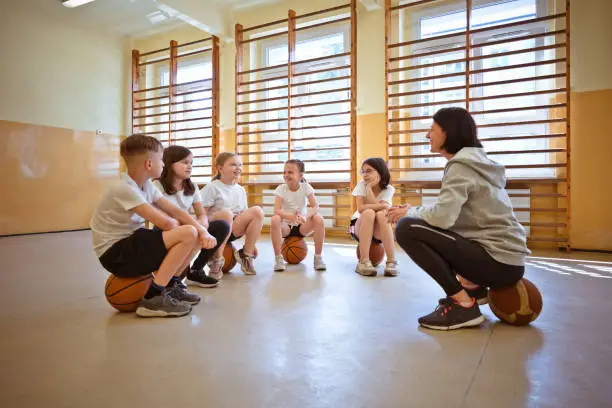
Sports play a vital role in a child’s overall development. Beyond physical fitness, sports help students learn discipline, teamwork, leadership, and resilience – qualities that shape character and prepare them for life beyond the classroom. In today’s education landscape, schools are increasingly recognizing that academic success and physical development must go hand in hand.
Parents exploring the Best Schools in Bangalore often pay close attention to the quality of sports infrastructure and programs offered. A strong sports culture within a school reflects its commitment to holistic education, ensuring that students grow not only intellectually but also physically and emotionally.
Why Sports Are Essential in a Student’s School Life
Regular participation in sports helps children maintain good health, improve concentration, and manage stress effectively. Physical activity boosts energy levels and enhances focus, which positively impacts academic performance as well. Students who engage in sports often develop better time-management skills as they learn to balance practice sessions with studies.
Sports also teach valuable life lessons. Winning builds confidence, while losing teaches perseverance and humility. These experiences help students develop emotional strength and a positive mindset from an early age.
Types of Sports Programs Commonly Offered in Schools
Most well-rounded schools offer a mix of indoor and outdoor sports to cater to different interests and abilities. These programs are usually designed to suit various age groups and skill levels.
Outdoor Sports
Games such as football, cricket, basketball, athletics, and swimming promote endurance, coordination, and teamwork. Outdoor sports also encourage students to stay active and enjoy physical movement in a natural environment.
Indoor Sports and Activities
Indoor games like chess, table tennis, badminton, and yoga focus on strategy, flexibility, and mental well-being. These activities are especially beneficial for students who may prefer less physically intensive options while still staying active.
Structured Physical Education
Many schools include physical education as part of the regular timetable. These sessions focus on fitness routines, drills, and skill-building exercises, ensuring that every child participates consistently.
Importance of Qualified Coaches and Training
A successful school sports program depends greatly on trained coaches and physical education instructors. Experienced coaches not only teach techniques but also instill discipline, sportsmanship, and teamwork. They help students identify their strengths and guide them toward improvement with encouragement and constructive feedback.
Schools that invest in professional coaching often provide students with opportunities to participate in inter-school competitions and tournaments, further enhancing exposure and confidence.
Sports Infrastructure and Safety
Proper infrastructure is essential for effective sports training. Well-maintained playgrounds, courts, tracks, and equipment ensure students can practice safely and comfortably. Safety measures such as supervision, first-aid facilities, and age-appropriate equipment are equally important to prevent injuries.
Parents should look for schools that prioritize both performance and safety, creating an environment where students feel motivated and secure while participating in sports.
How Sports Support Academic Growth
Sports and academics are not opposing forces. In fact, regular physical activity improves memory, concentration, and classroom behavior. Students involved in sports often show higher levels of discipline and goal orientation, which translates into better academic habits.
Many schools encourage students to maintain academic standards while participating in sports, helping them understand the importance of balance and responsibility.
Encouraging Participation Over Competition
While competitions and medals are motivating, schools should also focus on participation and enjoyment. Inclusive sports programs ensure that every child, regardless of skill level, gets the opportunity to play and learn. This approach helps students build confidence gradually and develop a lifelong interest in physical fitness.
Parents also play an important role by encouraging effort, consistency, and enjoyment rather than focusing solely on winning.
Long-Term Benefits of Sports Education
The benefits of school sports extend well beyond school years. Students who actively participate in sports often develop leadership skills, adaptability, and resilience – qualities valued in higher education and professional environments. Sports also promote healthy habits that can last a lifetime.
Colleges and institutions increasingly value well-rounded profiles, making sports participation an added advantage for students in the long run.
Final Thoughts for Parents
When choosing a school, parents should evaluate how seriously sports and physical education are integrated into daily learning. Schools that balance academics with strong sports programs help children grow into confident, healthy, and disciplined individuals. Families exploring Schools in Yelahanka often look for institutions that offer spacious campuses, quality sports facilities, and structured training programs that support both fitness and personal growth.
A school that nurtures a love for sports alongside academics provides students with the foundation they need for a balanced and successful future.