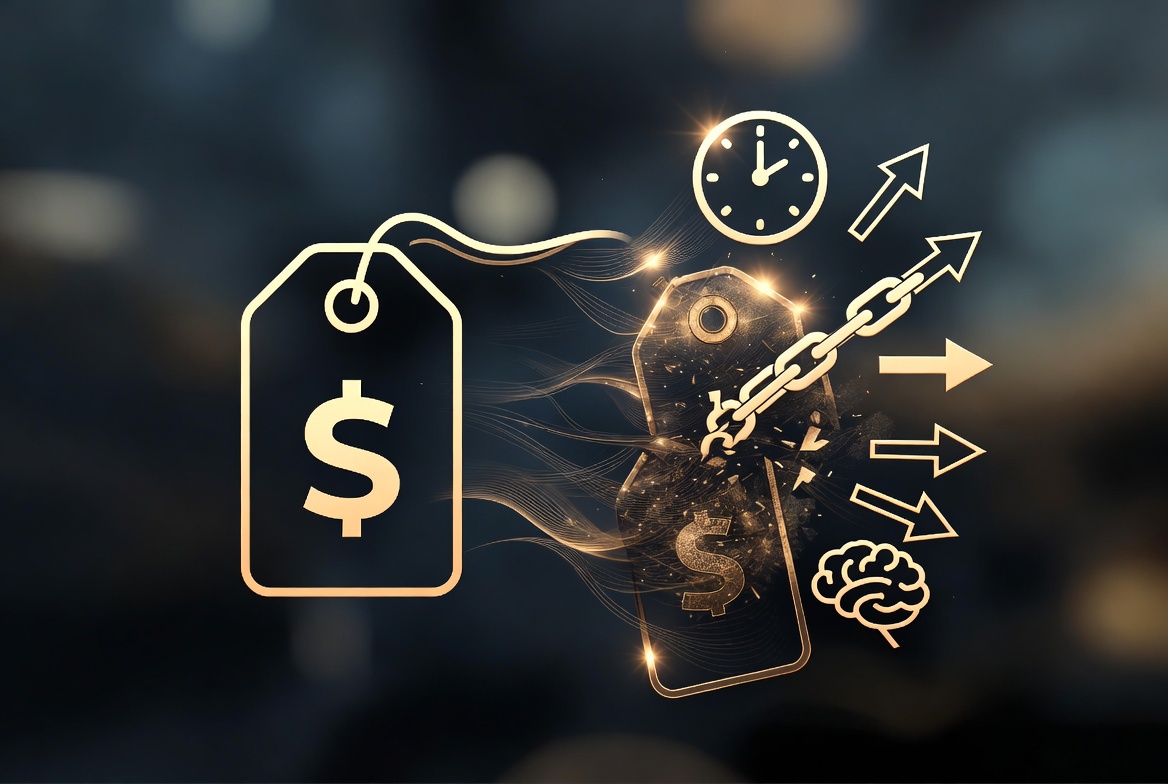
A low price can feel like a win before you have even finished thinking. That is how many purchases get made. We see the number, compare it to our budget, and decide whether it feels affordable. But the sticker price is only the opening line of the story. What matters more is what the purchase asks from you after the sale.
That is why people trying to make smarter financial decisions often benefit from slowing down and looking beyond the first number they see. Whether you are comparing subscriptions, considering a major purchase, or researching top rated debt settlement companies, the real cost usually includes time, maintenance, stress, tradeoffs, and the opportunities you give up by spending that money.
Price is immediate. Cost is layered. And the layered part is where people either protect themselves or talk themselves into trouble.
The Cheapest Option Can Be the Most Expensive One
A lot of us have learned this the hard way. You buy the cheaper shoes, then replace them twice. You pick the lower priced appliance, then spend months dealing with poor performance and repair calls. You choose the subscription that looks harmless, then forget it is quietly draining your account every month.
The problem is not that cheap things are always bad. The problem is that many decisions get made without accounting for durability, follow up costs, or the stress of a poor fit. A $40 item that needs replacing every few months may cost more than an $80 item that lasts for years. A “deal” that creates frustration, wasted time, or regret is not always a deal.
The Federal Trade Commission regularly advises consumers to watch for misleading pricing claims, hidden terms, and offer structures that obscure the full financial picture.
Cost Includes Attention, Not Just Money
One of the least discussed parts of spending is mental load. Some purchases demand very little from you after checkout. Others keep charging rent in your head.
Think about a product that breaks often, a service that is hard to cancel, or a payment plan with confusing terms. Even if the dollar amount looks manageable, the experience may cost you attention, patience, and decision making energy. That matters. You only have so much focus in a day.
This is especially true when finances already feel stretched. A purchase that adds complexity can create more strain than the price tag suggests. In that sense, part of being financially smart is protecting your future time and peace of mind, not just your current balance.
Helpful consumer education from USA.gov on credit reports and the CFPB’s credit reports and scores resources shows how financial choices can ripple outward into borrowing costs, dispute processes, and access to better terms later on.
Opportunity Cost Is the Quietest Cost of All
There is also the question most people skip: what else could this money do for me?
That is opportunity cost. It sounds technical, but it is actually very human. If you spend $200 on one thing, that same $200 cannot build an emergency fund, pay down a balance, cover groceries next week, or buy you breathing room. Every dollar has more than one possible job.
This does not mean every purchase needs to be serious or joyless. It just means purchases should be compared against real alternatives. A financial decision becomes clearer when you ask, “What am I saying no to by saying yes to this?”
Sometimes the answer is worth it. Sometimes it is not. But the question itself is powerful.
Emotional Cost Deserves a Seat at the Table
Not every bad financial choice looks irresponsible from the outside. Some choices look normal and still leave you feeling trapped. That is because emotional cost is real. A purchase can create guilt, pressure, or resentment if it stretches your finances too far, even when the item itself is fine.
This is common with aspirational spending. People buy something because it represents the life they want to have. Then the payments follow them around long after the excitement fades. The original price has not changed, but the total cost now includes anxiety.
A better approach is to ask a few grounding questions before committing. Will this still feel worth it in thirty days? Will the upkeep fit my real life? Am I buying the product, or the image attached to it? Those questions do not kill enjoyment. They protect it.
The Full Cost of “Convenience”
Convenience is another place where price and cost drift apart. Delivery fees, impulse add ons, service charges, and auto renewals often ride along with convenience purchases. None of them seem large on their own. Together, they reshape your cash flow.
This does not mean convenience is bad. Sometimes paying more saves time in a way that genuinely helps. But it is useful to separate convenience that improves your life from convenience that mostly weakens your awareness.
That distinction matters because habits form around convenience faster than we realize.
A Better Buying Habit Starts With One Pause
You do not need a giant spreadsheet every time you buy something. But you do need a pause long enough to ask what the price leaves out. Try this short checklist:
What does it cost to maintain?
How long will it last?
Will I need accessories, fees, upgrades, or repairs?
Will this increase my stress later?
What else could this money do right now?
Those questions turn buying into a decision instead of a reaction.
Smarter Spending Is About Context
The real skill is not finding the lowest number. It is spotting the fuller picture before the bill comes due in other forms. Smart spending means understanding that price is just the visible part. The hidden part may show up in your schedule, your stress level, your future options, or your ability to say yes to something better later.
When you understand the cost beyond the price, you stop chasing cheap and start chasing fit. And that usually leads to better decisions, fewer regrets, and much more control over your money.