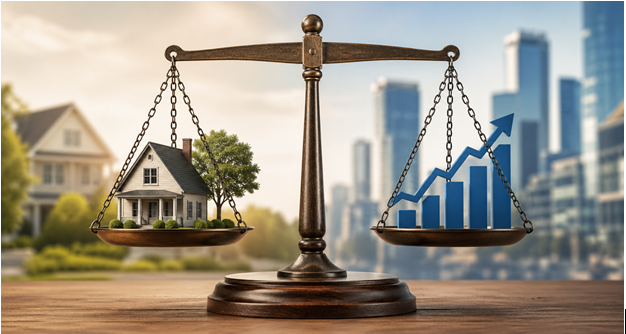
Personal loans can be a crucial element in the financial plan of many Australian families. When you have decided on your lending bank or financial institution, as well as the loan amount, you have yet to take a big decision. You need to choose between a fixed or a fluctuating interest rate, a choice that can affect your monthly budget and the overall cost of borrowing. Fixed interest rate personal loans have a static rate for the entirety of the loan period while interest rates in variable personal loans vary according to market conditions and RBA rate fluctuations.
Fixed Rate Personal Loans
The primary advantage of a fixed interest rate loan is the possibility of having a steady monthly payment obligation. The interest rate will remain the same from the moment of the approval of your personal loan application to its end. The fixed interest rate does not depend on market changes which ensures that you can reliably budget in advance for months and years ahead. Moreover, the fixed interest rate gives lenders the freedom to increase interest rates if needed.
At the same time, there are some downsides to this type of personal loan. First, the initial rate on a fixed interest rate loan is often slightly above the variable rate offered by lenders. Second, a fixed interest rate does not go down even if the Reserve Bank of Australia lowers it, which makes fixed interest loans more expensive compared to variable loans in this situation. Third, fixed rate loans often carry additional break fees when you decide to pay back your personal loan ahead of schedule.
Fluctuating Interest Rate Loans
On the other hand, variable rate loans allow you to benefit from favourable market conditions. They come with initially low-interest rates, making your initial repayments cheaper. In case of further reductions in the market interest rate, your lender can offer you a reduced repayment amount that will reduce the cost of borrowing. Additionally, variable interest rate loans usually do not have restrictions regarding the number of payments that you can make throughout the duration of the loan. In most cases, such loans allow for the early repayment without additional fees.
However, variable rate loans can bring trouble in certain situations. If the interest rate in the market increases, your monthly payment obligation will also increase which can significantly impact your budget. Borrowers who have problems budgeting their earnings may find it hard to adapt to such fluctuations in their monthly expenses.
Choosing the Right Loan Type for You
When deciding whether to opt for a fixed or variable rate, you should consider various personal factors. Firstly, income stability may be a significant criterion. If your income is steady and reliable, you may prefer fixed rates for the predictability. If you earn more than enough, however, you may be able to tolerate higher repayments during times when the interest rate rises.
Secondly, market conditions play an essential role in choosing a personal loan from the likes of ING. It is vital to check the latest financial forecasts and make conclusions about future rate changes. In case of expected interest rate falls, the variable rate would be preferable, and vice versa – if you want protection from rising interest rates, opt for fixed ones.
Thirdly, your risk tolerance and personal loan tenure should be considered. With shorter loan periods, interest rate fluctuations will have a smaller influence, hence the variability of rates can be tolerated. If the loan period is five to seven years, however, the fixed interest rate may be a better choice for risk-averse people.
Conclusion
In summary, fixed and variable interest rates each have their strengths and weaknesses, which have to be analysed individually by each borrower. Evaluate your personal factors and choose the most suitable personal loan for yourself.