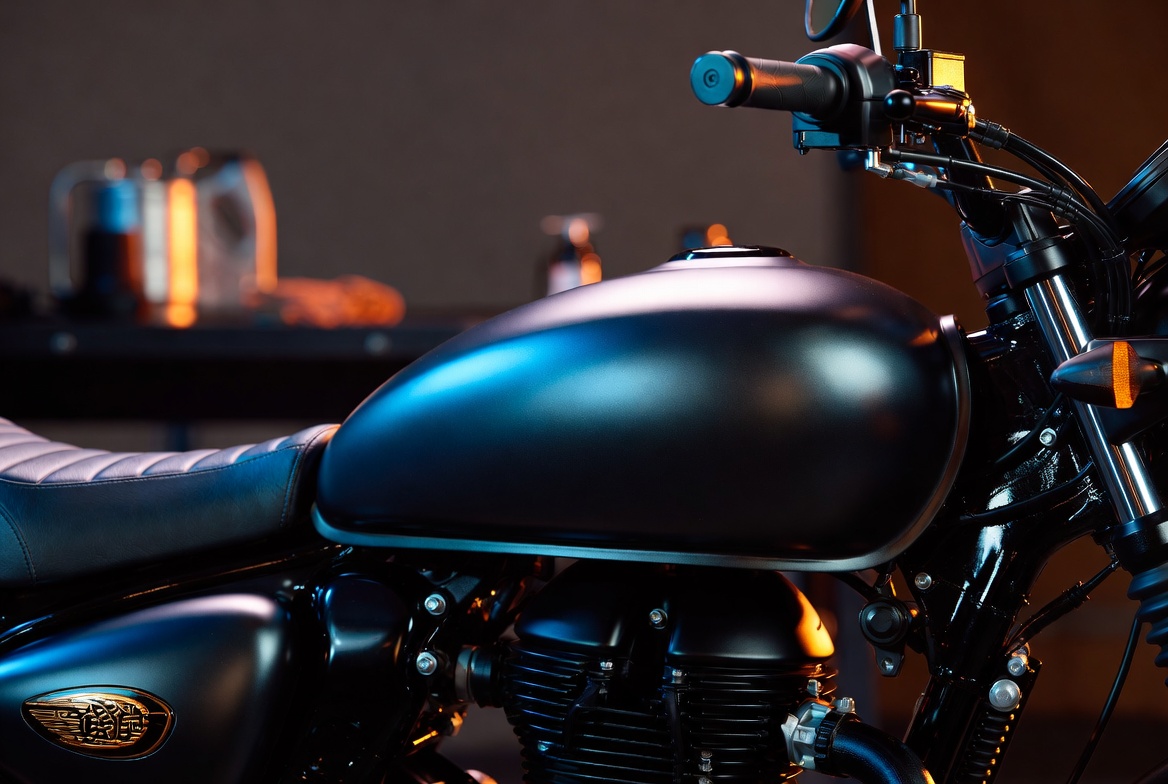
A Royal Enfield is rarely “just transport”. It is a sound you recognise with your eyes closed and a ride that feels personal, even on a familiar commute. The Royal Enfield Hunter 350 makes that connection quickly. It is compact and easy to manoeuvre in city traffic, while its 349cc engine, comfortable ergonomics, and updated suspension make it suitable for everyday riding and longer evening rides.
Keeping a Hunter 350 feeling fresh does not require complicated routines. The biggest difference comes from simple habits that protect the brakes, chain, tyres, controls, paint, and electrical systems. Regular checks can also help you notice small problems before they turn into expensive repairs.
Start With the Ride, Then Build the Habit
When a motorcycle stays in good condition, three things usually remain consistent: how clearly you can read its controls, how confidently it stops, and how smoothly it ages.
The current Hunter 350 has a 790 mm seat height, 181 kg kerb weight, 13-litre fuel tank, and a 1370 mm wheelbase. Royal Enfield also lists 160 mm of ground clearance for the current India model. These dimensions help explain why the bike remains practical for everyday urban riding while still feeling substantial on open roads.
Think about your start: helmet on, key turned, the engine settling into its idle. On the Royal Enfield Hunter 350, those few seconds become a useful inspection window. You are not hunting for faults. You are simply checking that the motorcycle is ready for the next ride.
Instrument Cluster: Use It Like a Co-Rider
The instrument cluster is one of the parts you interact with most often, so it can become your first maintenance reminder.
The current 2026 Hunter 350 uses a digi-analogue instrument cluster and is offered with a Tripper navigation system. Royal Enfield also lists an LED headlight and Type-C charging port among the updated equipment. These features make the Hunter more useful for daily commuting while keeping its retro-inspired character.
Use the dashboard in a rider-first way:
- Do a quick warning-light scan before moving off. Pay attention to fuel, engine, ABS, battery, and other warning indicators when applicable.
- Make sure the side-stand system is working correctly. Royal Enfield includes side-stand switch operation in its maintenance schedule.
- Keep the display clean so important symbols remain easy to see in bright sunlight or at night.
- If your motorcycle is equipped with Tripper navigation, pair and configure it before leaving rather than trying to manage your phone while riding.
The 13-litre fuel tank also gives you a simple way to monitor real-world fuel use. Instead of relying entirely on memory, reset a tripmeter after filling the tank and note how many kilometres you cover before the next refill. Your own riding pattern will then give you a more useful reference than a generic mileage figure.
Royal Enfield’s maintenance information also recommends checking engine oil level at every 1,000 km or earlier when necessary. A quick oil-level check is one of the easiest habits you can build into regular ownership.
Brake Pads: Protect the Bite You Trust
Good braking is not only about safety, it also affects confidence. Consistent brake feel helps you control speed smoothly and react more naturally when traffic, gravel, water, or unexpected obstacles appear.
The Hunter 350 uses a 300 mm front disc with a twin-piston floating caliper and a 270 mm rear disc with a single-piston floating caliper on the dual-channel ABS configuration. Royal Enfield’s published maintenance schedule specifically includes regular inspection of the front and rear brake pads, brake hoses, brake fluid, and discs.
Keep that braking feel consistent by following a few simple habits:
- Inspect the brake pads regularly and look for uneven wear or unusually low pad material.
- Pay attention to changes in lever feel, braking response, unusual vibration, or grinding sounds.
- After riding through heavy rain, use gentle braking on a safe stretch of road to help restore normal braking feel.
- Keep chain lubricant, polish, grease, and other oily products away from brake discs and pads.
- Avoid directing high-pressure water directly at brake components, electrical connectors, bearings, and other sensitive areas.
Do not ignore a sudden metallic scraping sound or a major change in braking performance. Brake components are safety-critical, so unusual symptoms deserve prompt inspection.
Royal Enfield’s maintenance schedule also calls for inspection of brake fluid level, front and rear discs, brake hoses, and banjo bolts at scheduled intervals. Brake fluid replacement is also included at specified service points, so routine servicing should not be skipped simply because the brakes still feel normal.
Chain Care: A Small Job That Makes a Big Difference
One maintenance area that deserves more attention is the rear wheel drive chain. A dirty, dry, or incorrectly adjusted chain can make the motorcycle feel less smooth and can accelerate wear on the drivetrain.
Royal Enfield recommends cleaning and lubricating the Hunter 350 drive chain every 500 km, while cleaning, lubrication, and adjustment are specified every 5,000 km or earlier when required. Riding conditions can make more frequent cleaning necessary, especially after rain, dusty roads, or muddy routes.
- Clean accumulated dirt from the chain before applying lubricant.
- Apply suitable chain lubricant evenly and allow it to settle.
- Wipe away excess lubricant so it does not spread onto the wheel or brake area.
- Have chain adjustment checked if you notice excessive slack, jerky drive response, or unusual noise.
This is one of the simplest ways to maintain smooth acceleration and reduce unnecessary drivetrain wear.
Rust: Keep the Bike Ageing With Dignity
Rust is one of the quiet enemies of a motorcycle’s appearance and long-term condition. The risk becomes higher when the bike is regularly exposed to monsoon rain, coastal air, road salt, mud, or damp parking areas.
The Hunter 350 uses a twin downtube spine frame and several exposed metal components that can collect road grime. The goal is not to keep the motorcycle spotless every minute. It is to prevent water, dirt, and moisture from remaining on vulnerable surfaces for long periods.
Keep rust prevention simple:
- After a wet ride, rinse away heavy dirt and dry the motorcycle properly, especially around fasteners, brackets, the chain area, and lower sections.
- Use a clean microfiber cloth on painted and metal surfaces to remove remaining moisture.
- Inspect exposed bolts and fasteners for early signs of corrosion.
- Repair small paint chips before moisture gets underneath the surrounding finish.
- Park in a dry, ventilated area whenever possible.
- If you use a motorcycle cover, allow the bike to dry first and avoid trapping moisture underneath it.
Never apply protective sprays or oily products to brake discs, brake pads, tyres, or other surfaces where reduced friction could create a safety problem.
Look After the Tyres and Suspension Too
Tyres are easy to overlook because they do not usually demand attention until something feels wrong. A better approach is to check them regularly.
The current Hunter 350 uses 17-inch wheels, with a 140/70-17 rear tyre on the alloy-wheel specification listed by Royal Enfield. The motorcycle also uses 41 mm front forks and twin rear shock absorbers with 6-step adjustable preload. Royal Enfield has updated the Hunter’s suspension and seat for improved comfort on the current model.
- Check tyre pressure when the tyres are cold and follow the pressure figures specified for your motorcycle.
- Look for uneven tread wear, cuts, cracks, nails, or other damage.
- Do not postpone tyre replacement when tread condition or damage reaches the manufacturer’s limit.
- Check for oil leakage around the fork area.
- If the motorcycle begins pulling to one side, bouncing excessively, or behaving differently over bumps, have the suspension and wheel alignment inspected.
Correct tyre pressure and healthy suspension do more than improve comfort. They help the motorcycle maintain predictable handling and braking behaviour.
How These Habits Improve the Riding Feel
Good motorcycle maintenance is not only about preventing breakdowns. It changes the way the bike feels beneath you.
When the instrument cluster becomes a habit trigger, you notice warnings earlier. When brake pads and discs remain in good condition, braking stays predictable. When the chain is clean and lubricated, power delivery feels smoother. When tyres are correctly inflated, steering and stability remain easier to judge. When rust and dirt are controlled, the motorcycle simply feels better cared for.
The Hunter 350’s 181 kg kerb weight, 1370 mm wheelbase, 790 mm seat height, 41 mm front forks, and 6-step rear preload adjustment give it a useful balance between everyday usability and a substantial road presence. The current model also benefits from updated suspension and seat cushioning aimed at improving comfort.
A Simple Weekly Hunter 350 Maintenance Routine
You do not need to spend hours cleaning your motorcycle every weekend. A short inspection done consistently is more useful than an occasional deep clean.
Spend around 10 to 15 minutes once a week:
- 2 minutes: Check warning lights, fuel level, controls, and visible leaks.
- 3 minutes: Inspect tyres for pressure, damage, and unusual wear.
- 3 minutes: Check brake pad condition, discs, and brake lever feel.
- 3 minutes: Look over the chain and clean or lubricate it when required.
- 2 minutes: Wipe away dust, water, and road grime from important exposed areas.
The official maintenance schedule should remain your main reference for servicing. Royal Enfield’s current schedule lists the first maintenance point at 500 km or 1.5 months, followed by scheduled intervals of 5,000 km or six months, with some items checked more frequently.
Do Not Ignore Engine Oil and Scheduled Servicing
Routine servicing is where many small maintenance tasks come together. Engine oil, filters, chain condition, brake components, clutch operation, fasteners, throttle operation, and electrical safety systems all deserve attention over the motorcycle’s life.
Royal Enfield recommends checking the engine oil level every 1,000 km or earlier and specifies regular engine oil replacement as part of the service schedule. The maintenance schedule also includes inspection of brake pads, brake fluid, tyres, side-stand switch operation, mounting fasteners, and other components.
Keeping service records is useful too. Note the date, mileage, work completed, and parts replaced. This makes it easier to understand the motorcycle’s maintenance history and can help identify recurring issues.
When to Involve the Workshop
Some problems are better handled by a qualified technician than through home maintenance. If a warning light remains on, braking performance changes suddenly, the motorcycle develops an unusual engine or drivetrain noise, fluid starts leaking, or corrosion becomes severe, arrange an inspection.
The same applies when you are unsure about a repair. Royal Enfield recommends using its authorised service network for proper maintenance and support, and its owner’s resources provide model-specific operating and maintenance information.
Common Hunter 350 Maintenance Mistakes to Avoid
A few simple mistakes can undo otherwise good maintenance habits. Avoid washing the motorcycle immediately after a long, hot ride, spraying lubricant near the brakes, ignoring tyre pressure, covering a wet motorcycle, or delaying scheduled servicing because the bike still feels normal.
Another common mistake is using aggressive chemicals on surfaces that do not need them. Follow the cleaning and maintenance guidance in the owner’s information for your specific model and avoid experimenting with solvents around painted parts, rubber components, electrical connectors, and braking systems.
Closing Note
The Royal Enfield Hunter 350 is built to be used every day, whether that means a busy commute, a weekend ride, or a spontaneous evening trip. Keeping it feeling new is less about complicated detailing and more about consistency.
Use the instrument cluster as your daily reminder, keep the brakes and tyres under observation, maintain the drive chain, protect exposed metal from moisture, and follow the scheduled service intervals. With those simple habits, your Hunter 350 can continue to feel clean, responsive, comfortable, and ready for the next ride.
FAQs About Royal Enfield Hunter 350 Maintenance
How often should I check the Royal Enfield Hunter 350 engine oil?
Royal Enfield’s maintenance information recommends checking the engine oil level every 1,000 km or earlier and topping up when required. Follow the owner’s manual for the correct checking procedure and oil specification.
How often should the Hunter 350 chain be lubricated?
Royal Enfield recommends cleaning and lubricating the rear drive chain every 500 km, with cleaning, lubrication, and adjustment every 5,000 km or earlier when required. Dusty, muddy, or wet riding conditions may require more frequent attention.
What is the seat height of the Royal Enfield Hunter 350?
The current Hunter 350 has a 790 mm seat height. Royal Enfield also lists a 181 kg kerb weight and 13-litre fuel capacity for the current India model.
Does the Hunter 350 have dual-channel ABS?
The Hunter 350 specification with alloy wheels and disc brakes uses dual-channel ABS, with a 300 mm front disc and 270 mm rear disc. Equipment can vary by variant and market, so buyers should check the specification of their exact motorcycle.
How can I prevent rust on my Hunter 350?
Keep the motorcycle dry, clean off mud and road grime after wet rides, dry exposed metal and fasteners, repair paint chips early, and store the bike in a dry, ventilated place. Never apply oily protective products to brake discs, brake pads, tyres, or other friction surfaces.
How often should a Hunter 350 be serviced?
Royal Enfield’s published maintenance schedule lists an initial service at 500 km or 1.5 months, followed by regular service intervals based on whichever comes first, mileage or time. The schedule should be checked for your exact model and market because specifications can change.