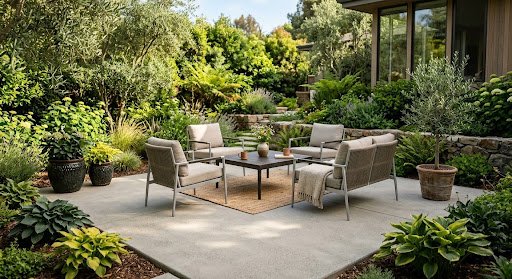
Your backyard holds more potential than you might realize. That patch of grass or cracked slab sitting behind your home could become the space where morning coffee turns into a daily ritual, where summer barbecues bring neighbors together, and where quiet evenings unwind after a long day. The difference between a backyard that’s merely functional and one that’s genuinely enjoyed often comes down to one feature: a well-built patio.
Concrete patios have earned their reputation as one of the smartest investments a homeowner can make. They’re durable, versatile, and surprisingly affordable compared to alternatives like pavers or natural stone. But the real value comes not just from the material itself, but from the skill of the people installing it. A poorly poured patio can crack, sink, or discolor within a few short years. A properly built one can last for decades, quietly adding value and comfort to your home the entire time.
Why Concrete Remains the Top Choice for Outdoor Living Spaces
Concrete has come a long way from the plain gray slabs of decades past. Today’s techniques allow for stamped patterns, stained finishes, exposed aggregate textures, and custom shapes that mimic the look of brick, slate, or wood at a fraction of the cost. Homeowners get the aesthetic they want without sacrificing the durability that concrete is known for.
Beyond looks, concrete offers practical benefits that other materials struggle to match:
- Longevity: A properly installed concrete patio can last 25-30 years or more with minimal maintenance.
- Low upkeep: Unlike wood decking, concrete doesn’t need annual staining or sealing to stay in good shape (though occasional sealing helps preserve its finish).
- Weather resistance: Concrete holds up well against sun, rain, and temperature swings, making it a dependable choice across seasons.
- Cost efficiency: Compared to natural stone or high-end pavers, concrete typically costs less per square foot while still delivering a polished, upscale appearance.
These advantages explain why concrete continues to be one of the most requested materials for patio construction across the country.
The Hidden Risks of Cutting Corners on Installation
It’s tempting to view a patio as a simple project. Pour some concrete, smooth it out, let it dry, and you’re done. In reality, the process is far more technical, and mistakes made during installation tend to surface months or years later in the form of cracks, uneven surfaces, or drainage problems that damage your home’s foundation.
Proper site preparation determines whether your patio will stand strong or start failing within its first winter. This includes grading the soil correctly so water flows away from your house, compacting the base material to prevent shifting, and reinforcing the concrete with rebar or wire mesh in the right locations. Skipping any of these steps might save time upfront, but it almost always costs more in repairs down the line.
Concrete patio contractor expertise can make the difference between a patio that enhances your property for decades and one that becomes a recurring headache. A skilled team understands how to design and build a patio around your specific climate and soil conditions, accounting for local weather patterns, frost lines, drainage requirements, and other factors that affect how concrete should be poured and cured. That experience helps create a stronger, more durable surface designed to perform reliably in your particular area.
What to Expect When Working With a Professional Team
A well-run patio installation follows a clear, methodical process. Understanding these steps can help you know what to look for when evaluating a contractor.
Initial consultation and design
The process typically starts with a conversation about how you plan to use the space. Do you want room for outdoor dining? A fire pit area? Space for a hot tub? These details shape the size, shape, and layout of the finished patio.
Site preparation
Once a design is finalized, the crew clears the area, grades the soil, and installs a compacted base layer. This stage is arguably the most important part of the entire project, since it determines the long-term stability of the concrete above it.
Formwork and reinforcement
Wooden or metal forms are set up to shape the patio, followed by reinforcement materials like rebar or wire mesh to prevent cracking as the concrete settles and cures over time.
Pouring and finishing
The concrete is poured, leveled, and finished according to the chosen style. Whether it’s a smooth broom finish, a stamped pattern, or a decorative stain, this stage is where the visual character of the patio comes to life.
Curing and sealing
Concrete needs time to cure properly, usually a week or more, before it’s ready for foot traffic. A quality sealant is often applied afterward to protect the surface from moisture, stains, and UV damage.
Signs You’re Working With a Contractor Worth Trusting
Not every company that pours concrete delivers the same level of craftsmanship. A few signals can help separate reliable professionals from those cutting corners:
- They provide a detailed written estimate before starting work, outlining materials, timeline, and cost.
- They ask questions about drainage, soil type, and how the space will be used before recommending a design.
- They carry proper licensing and insurance, protecting your property in case something goes wrong.
- They have a portfolio of completed patios you can review, along with references from past clients.
- They stand behind their work with a clear warranty on both materials and labor.
Taking the time to vet a contractor against these standards pays off in the quality and longevity of the finished product.
Adding Value That Extends Beyond the Backyard
A thoughtfully designed concrete patio does more than create a nice place to relax. Real estate professionals frequently point to outdoor living spaces as a feature that boosts home value and buyer interest. A patio that’s well-integrated with the landscaping and architecture of a home signals to potential buyers that the property has been cared for and thoughtfully upgraded.
Even for homeowners with no plans to sell, the everyday value is hard to overstate. A functional outdoor space extends the usable square footage of a home without the cost of a full addition. It creates a natural gathering spot for family and friends, and it gives homeowners a reason to spend more time outside enjoying their property.
Building a Space You’ll Enjoy for Years to Come
A concrete patio is one of those home improvements that quietly pays dividends for years after installation. It requires the right combination of design, material quality, and skilled execution to truly deliver on that promise. When those elements come together, homeowners end up with an outdoor space that looks great, holds up over time, and adds genuine value to their property.
If your backyard has been sitting underused, now is a good time to explore what a professionally built patio could look like on your property. A quick consultation with an experienced team can clarify your options, give you a realistic budget, and set the stage for a project that turns your outdoor space into one of the best parts of your home.