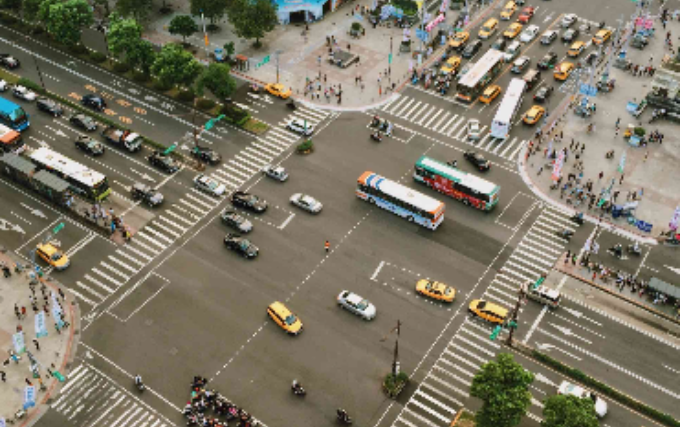
Transporting a vehicle in a bustling city can be a complex task. Urban areas are known for heavy traffic, narrow streets, and limited parking, which can create challenges for moving vehicles safely and efficiently. Whether you are relocating your car, motorcycle, or any other type of vehicle, careful planning is key to ensuring a smooth transport experience.
Understanding the Challenges of Urban Vehicle Transport
Cities present unique challenges that can complicate vehicle transport. Congested streets, ongoing construction, and strict parking regulations can slow down logistics and increase the risk of damage during loading or unloading. Additionally, some areas may have height or weight restrictions, limiting access for larger transport trucks. Recognizing these potential obstacles early allows for better planning and coordination with transport professionals.
Choosing the Right Transport Method
Selecting the appropriate method for moving your vehicle is crucial. In urban settings, enclosed carriers are often preferred because they offer protection against traffic debris, weather, and accidental scratches. Open carriers are generally more affordable but may not provide the same level of security in dense city environments. If your vehicle is particularly valuable or has custom modifications, opting for an enclosed carrier is a safer choice.
For those who prefer a hands-on approach, drive-away services can be an option. This method involves hiring a professional driver to deliver your vehicle directly to its destination. While convenient, it requires careful coordination to ensure the vehicle is insured and transported responsibly through city streets.
Planning Routes and Timing
Timing is everything when transporting a vehicle in a busy urban area. Avoid peak traffic hours to reduce delays and stress on both the vehicle and the transport team. Early mornings or late evenings often offer the smoothest routes through city centers. Additionally, mapping out alternative routes is essential in case of sudden road closures or unexpected congestion.
Some cities also have restricted access zones, especially in downtown or historical districts. Researching these areas in advance can prevent unnecessary fines or complications during delivery. By planning ahead, you can streamline the transport process and reduce the likelihood of delays.
Coordinating with Professional Transport Services
Working with experienced transport companies is highly recommended for urban vehicle relocation. Professionals have the expertise, equipment, and knowledge of city regulations necessary to handle your vehicle safely. They can provide advice on the best times for pickup, the optimal route, and the type of carrier that suits your needs.
For residents or businesses in New York, there are specialized options to simplify the process. By using transport vehicles New York, you can access a network of trusted providers who understand the city’s unique challenges. These services help ensure your vehicle arrives on time, without damage, and with minimal stress.
Preparing Your Vehicle for Transport
Proper preparation can make a significant difference in the safety and efficiency of urban vehicle transport. Remove any personal items from the vehicle, check for leaks or mechanical issues, and ensure the fuel tank is only partially filled. Documenting the vehicle’s condition with photos before transport can also provide peace of mind and serve as a reference in case of any disputes.
If the vehicle is being transported on an open carrier, additional protective measures, such as a car cover or tire straps, may be necessary. Even small precautions can prevent damage caused by city traffic hazards, like dust, debris, or tight corners.
Conclusion
Transporting a vehicle in a busy urban area requires careful planning, coordination, and attention to detail. By understanding city-specific challenges, choosing the right transport method, planning routes, and working with professionals, you can ensure a smooth and stress-free relocation.