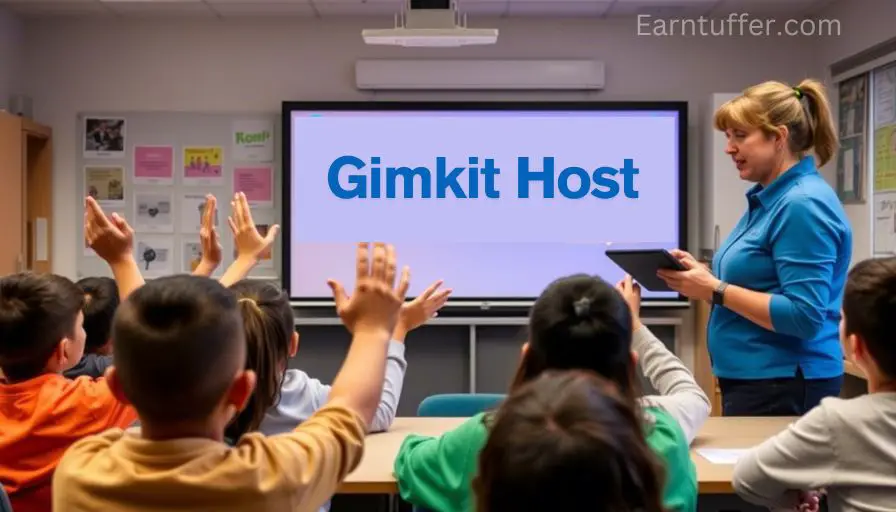
The Gimkit Host has become a cornerstone of modern education, transforming traditional classrooms into hubs of interactive, game-based learning. As educators worldwide seek innovative ways to captivate students, Gimkit’s platform—led by dynamic hosts—has emerged as a leader in blending pedagogy with play. This article explores the multifaceted role of a Gimkit Host, offering insights into setup, strategies, and the profound impact on student success.
The Role of a Gimkit Host
A Gimkit Host is the architect of live learning games, typically an educator who designs, customizes, and moderates sessions to foster engagement. Unlike conventional teaching, Gimkit Hosts use competition, strategy, and collaboration to turn review sessions into thrilling experiences. Key responsibilities include:
Curating Content: Selecting or creating question sets (kits) aligned with lesson objectives
Game Customization: Choosing modes like Classic (individual play), Team, or Blitz to suit classroom dynamics
Real-Time Moderation: Adjusting settings, resolving technical issues, and maintaining energy levels during gameplay
As DotCom Magazine notes, Gimkit Hosts “transform traditional learning into an immersive game show experience,” making education both fun and effective.
Setting Up a Gimkit Session: A Step-by-Step Guide
Hosting a Gimkit game involves meticulous planning:
Select a Kit: Use pre-built question banks or design custom kits with multimedia elements (images, videos) for richer engagement
Choose a Game Mode:
Classic: Students answer questions at their own pace, earning virtual cash for correct answers
Team Mode: Encourages collaboration, with groups competing for the highest score
Blitz: Fast-paced rounds ideal for quick reviews
Configure Settings: Adjust timers, point values, and power-ups like Ice (freezing competitors) or Streak (bonus points for consecutive correct answers)
Launch the Game: Share a unique code or link for students to join, then monitor progress via real-time dashboards
Why Gimkit Hosts Drive Student Success
Gimkit Hosts leverage gamification to address common classroom challenges:
Boosted Engagement: Over 70% of students report increased motivation when learning through games
Instant Feedback: Hosts identify knowledge gaps via live analytics, allowing immediate intervention
Personalized Learning: Adaptive difficulty levels and student-generated question sets (KitCollab) cater to diverse needs
One educator shared, “Gimkit turns review sessions into something students beg to participate in,” highlighting its power to transform passive learners into active participants.
Top Strategies for Effective Gimkit Hosting
Align Games with Curriculum: Ensure kits reinforce current lessons to maximize retention
Balance Competition and Inclusion: Use leaderboards to motivate but avoid discouraging slower learners by emphasizing mastery over scores
Leverage Power-Ups Strategically: Teach students to use Streak or Multiplier bonuses to enhance critical thinking
Incorporate Multimedia: Embed videos or images to make questions more engaging
Challenges and Solutions for Gimkit Hosts
While Gimkit enhances learning, hosts may face hurdles:
Technical Glitches: Slow internet or device incompatibility
Solution: Test equipment beforehand and have backup plans
Over-Competitiveness: Students prioritizing winning over learning
Solution: Debrief post-game to reinforce educational goals
The Future of Gimkit Hosting
Emerging trends promise to elevate the Gimkit experience:
AI-Driven Analytics: Predictive tools to tailor games to individual learning styles
Virtual Reality (VR) Integration: Immersive environments for deeper engagement
Global Competitions: Cross-school tournaments fostering worldwide collaboration
Conclusion
The Gimkit Host is a pioneer in the educational revolution, merging gameplay with learning to create unforgettable experiences. By mastering the platform’s tools and fostering inclusivity, hosts empower students to achieve academic success while having fun. As Gimkit continues to evolve, its hosts remain at the forefront of redefining education for the 21st century.