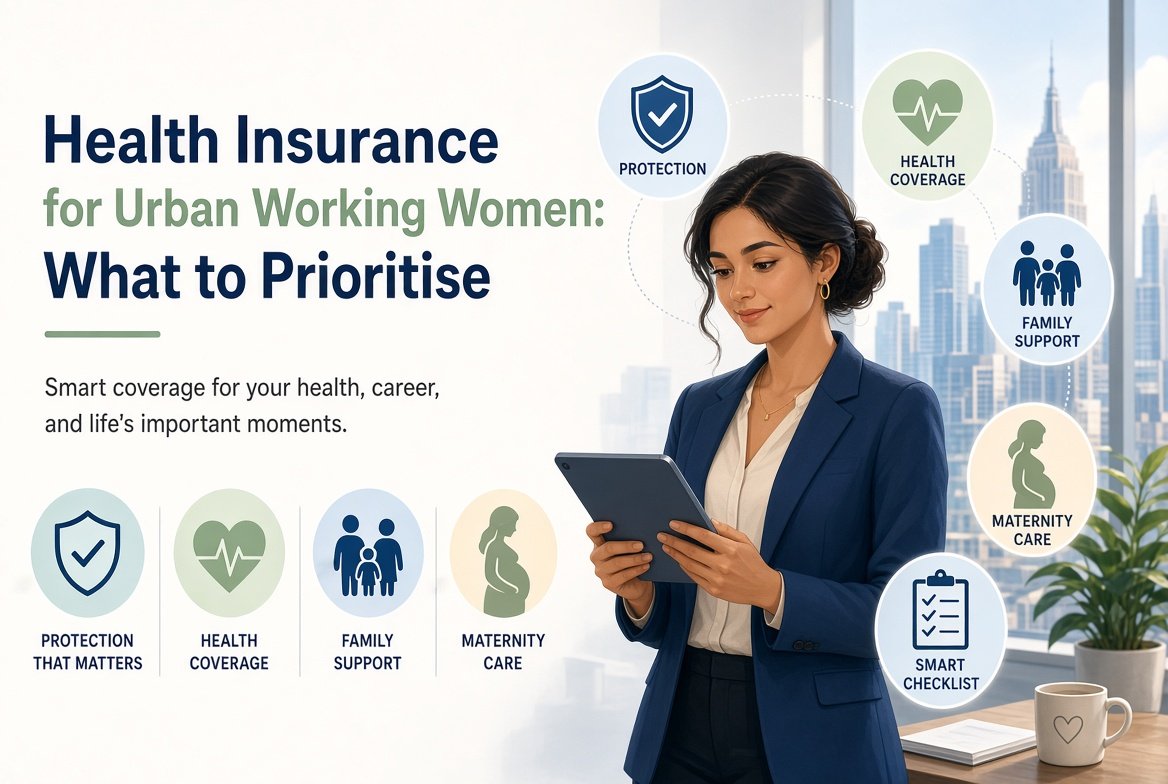
A demanding workday often leaves little time for medical appointments, let alone comparing insurance policies. Yet a sudden illness, planned surgery or unexpected hospital stay can interrupt both your daily routine and your finances.
For women living and working in Indian cities, the right health cover should fit present needs while leaving room for future changes. Before buying a policy, look beyond the premium. Check what treatment it pays for, when benefits begin and how easily you can use them.
Adequate Health Insurance Coverage
City hospital bills can quickly use up a small sum insured. A health insurance premium estimator can help you compare premiums at different coverage levels. Allow for costly surgery, specialist care and more than one hospital admission.
- Hospital expenses: Check room rent, surgery, medicines and intensive care.
- Extra costs: Review pre- and post-hospitalisation benefits and any sub-limits.
Maternity and Pregnancy Benefits
If pregnancy is part of your plans, look at maternity terms before you need them. Such benefits are not included in every policy. Routine antenatal appointments may also be covered differently from hospital delivery costs.
- Waiting period: Find out when maternity claims become eligible.
- Covered services: Check delivery expenses, complications and newborn benefits separately.
Coverage for Women-Specific Diseases
Buying insurance for your mother and yourself involves different health priorities. Even the best health policy for senior citizens may not match your own needs. Review the policy terms carefully for gynaecological conditions, waiting periods and related surgery.
- Gynaecological conditions: Check treatment for fibroids, ovarian cysts and related surgery.
- Cancer care: Review coverage for breast and cervical cancer treatment.
Critical Illness Protection
A serious diagnosis may mean time away from work. Critical illness cover can provide a fixed payment for specified conditions, if you meet its terms. This differs from reimbursement of actual hospital expenses under regular health insurance.
- Illness list: Check exactly which diagnoses, stages and severities qualify.
- Claim rules: Review survival periods, exclusions and benefit conditions.
Cashless Hospitalisation Facilities
Cashless treatment reduces the amount you need to arrange upfront for approved bills. However, the insurer may not pay excluded expenses or amounts above policy limits.
- Hospital access: Check network hospitals near your home and office.
- Approvals: Confirm how the insurer handles planned and emergency admissions.
Mental Health Coverage
Indian insurance rules address mental illness coverage, but individual benefits still need careful review. Do not assume every therapy session or consultation is covered.
- Hospital care: Check benefits for eligible psychiatric admissions.
- Outpatient support: Ask whether counselling, therapy and medicines are included.
Affordable Premiums and Deductibles
A premium should fit your monthly budget without leaving large gaps when you claim. Compare the likely out-of-pocket expense, not just the amount due each year.
- Deductible: Understand what you must pay before certain benefits apply.
- Co-payment: Check whether you must share a percentage of eligible bills.
Preventive Health Check-Up Benefits
Regular screening can identify health concerns before symptoms become difficult to ignore. Some policies require you to use particular diagnostic centres or book through their app.
- Tests: Review included blood tests and other screening services.
- Conditions: Check check-up frequency, eligibility and whether bookings need approval.
Personal Health Cover Beyond Employer Insurance
Office insurance is useful, but it may change or end when you switch jobs. Your employer may also reduce benefits or limit coverage for dependants.
- Independent policy: Keep your own cover active across career moves.
- Existing benefits: Compare employer limits before deciding on additional insurance.
Flexibility to Upgrade Coverage as Needs Change
Your needs may change with age, income or family responsibilities. Review your policy at renewal. An increase in cover may involve a higher premium and underwriting.
- Higher cover: Ask about increasing the sum insured and applicable conditions.
- Added benefits: Check available riders, fresh waiting periods and underwriting.
Conclusion
For urban working women, health insurance should do more than pay a hospital bill. It should give you access to suitable treatment, support changing priorities and remain manageable within your budget. Read the policy wording carefully, especially waiting periods, exclusions and claim conditions. Compare benefits against your health needs rather than the premium alone. A thoughtful decision today can reduce financial pressure when medical care becomes necessary in the future.