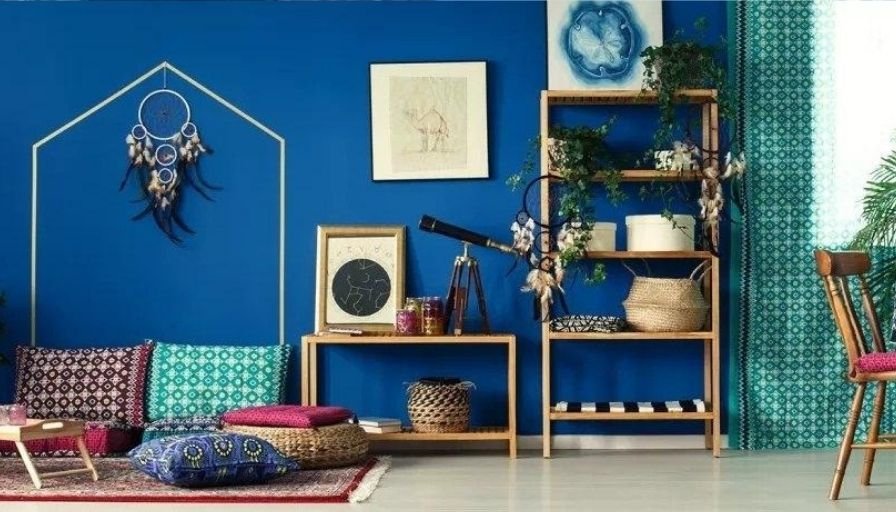
A bedroom that has not seen fresh paint in years tends to feel boring, no matter how good the furniture is. Yellowed whites, heavy browns and mismatched feature walls make a room look older than it really is. Choosing the right wall colour combination for bedroom spaces can change the mood completely, without moving a single piece of furniture.
A good pairing makes small rooms feel airier, dark rooms feel warmer and dated rooms feel current again. This blog covers fresh pairings, natural light, accent walls, finishes and practical painting tips.
Why Old Bedroom Colours Start to Look Dated
Colours age faster than most of us expect. Cream walls turn yellow, deep maroons and olive greens soak up light, and high-contrast borders that once felt smart now look heavy. Rooms painted in the early 2000s often relied on one strong shade, while newer homes favour softer, layered tones. Spotting these old habits helps you decide what to leave behind and what to keep.
Colour Pairings That Instantly Freshen a Bedroom
The table below lists five pairings that work well for tired rooms, along with the mood each one creates.
| Main wall | Secondary shade | Mood |
| Warm ivory | Dusty terracotta | Cosy and grounded |
| Soft sage green | Off-white | Calm and restful |
| Powder blue | Pale grey | Airy and light |
| Blush pink | Warm taupe | Gentle and elegant |
| Greige | Deep navy | Modern and composed |
Lighter shades work best in compact rooms because they bounce daylight around. Deeper pairings suit larger bedrooms with plenty of natural light.
Matching Your Palette to Natural Light
The same shade can look very different from one room to the next. A bedroom facing north receives cooler, softer light, so warm tones like ivory, peach and sand stop it from feeling flat. A south or west-facing room gets stronger sunshine, which makes cooler shades such as sage and powder blue feel fresh instead of harsh.
Always judge a colour in your own room, at different times of day, before committing. Artificial light matters too, since warm bulbs deepen creamy shades while cool white bulbs make greys look sharper.
Using an Accent Wall Without Overdoing It
An accent wall is one of the easiest ways to update a room on a modest budget. The trick is choosing the right wall and keeping the other three simple. The following points keep the result tidy:
- Pick the wall behind the bed, since it naturally draws the eye.
- Choose a shade two or three tones deeper than the remaining walls.
- Keep ceilings and trims in a soft white so the room feels connected.
- Avoid painting the wall that holds a window, as glare can flatten the colour.
Choosing a Finish That Adds Depth
Colour is only half the story, because the finish decides how a shade catches the light. A smooth, rich finish can make even a simple pairing look polished. For a bedroom that needs a soft, premium feel, Nerolac Impressions Kashmir is a good fit, as it gives walls a smooth, luxurious look that suits muted neutrals and gentle pastels especially well. Pair a calm shade with a low-sheen finish and the walls will glow softly in lamplight instead of glaring.
Choosing Colours to Suit Your Bedroom Size
Room size changes how a shade behaves, so it helps to match tones to the space. The table below shows what suits each size.
| Room size | Best-suited tones |
| Small | Pale peach, soft white |
| Medium | Powder blue, blush |
| Large | Deep teal, navy |
If you are unsure, go one shade lighter than your first instinct.
Styling Ideas to Finish the Look
Paint sets the stage, but the rest of the room completes it. Soft furnishings are the quickest way to carry your chosen shades across the space. Here are a few easy ideas to try:
- Repeat the accent shade in cushions, a throw or a rug.
- Add warm wood or cane furniture to soften cooler walls.
- Use sheer curtains in white or cream to let daylight spread.
- Hang a few frames in tones that match the palette.
Practical Tips Before You Start Painting
A few checks save a lot of repainting later. Use this list as a quick guide before you buy any tins:
- Test two or three swatches on the wall and watch them in the morning, afternoon and evening.
- Fill cracks and sand patches properly before the first coat.
- Use a primer on old, dark or stained walls so the new colour shows true.
- Choose bedding and curtains to suit the paint, not the other way round.
- Let each coat dry fully before applying the next.
Conclusion
Refreshing an outdated bedroom is possible without a full renovation. A thoughtful pairing, a well-placed accent wall and the right finish can make an old room feel new within a weekend. Start with swatches, trust the light in your own space and keep the palette simple. Add soft furnishings that echo one wall shade, and the room will feel pulled together. Whichever combination you choose, good surface preparation and quality paint will keep the walls looking fresh for years.