You know those days when your freshly laundered clothes feel like sandpaper and your shower leaves your skin tighter than a snare drum? If that sounds familiar, hard water might be the invisible culprit quietly wreaking havoc in your home. And you wouldn’t be alone—millions of households deal with the daily headaches of mineral-rich water.
That’s where water softeners quietly become the unsung heroes of modern plumbing. But this isn’t just about making soap lather better. It’s about protecting your pipes, extending appliance life, and making daily life a whole lot smoother—literally and figuratively.
The Science Behind That Stubborn Residue
Let’s get one thing clear: hard water isn’t dangerous. It’s not going to poison your dog or ruin your morning coffee. What it does do is slowly clog your life with calcium and magnesium buildup. Over time, these minerals form scale deposits in your plumbing, faucets, showerheads, and even inside your water heater. That’s like cholesterol for your home’s water system.
Now imagine dealing with spotty glassware, itchy skin, and soap that refuses to lather. It’s like trying to wash with liquid sand. And all of this just becomes “normal” if you don’t know what’s causing it.
Why You Should Care (Even If Your Water Tastes Fine)
Most people don’t think twice about water quality unless it smells funky or tastes off. But hard water isn’t always obvious—it quietly shortens the life of your washing machine, dishwasher, and even your clothes. That soft towel you bought last year? It’s now crunchy and sad, thanks to mineral deposits woven into its fibers.
And don’t even get me started on your water heater. With hard water, it has to work overtime—consuming more energy and inflating your utility bills—just to do a basic job. A water softener doesn’t just soften water, it adds years back to your appliances. It’s like skincare, but for your plumbing.
The Phoenix Problem: Hard Water on Steroids
Living in the desert has its perks—sunshine, sunsets, and saguaros. But it also comes with notoriously hard water. If you’re in Phoenix, chances are you’ve already noticed the white crust lining your sinks or the dull, streaky look of your dishes.
Water softeners Phoenix residents rely on aren’t a luxury. They’re almost a necessity. The local water supply often scores high on the hardness scale—typically over 200 parts per million of dissolved minerals. That’s… a lot. Enough to make your fixtures dull, your skin itchy, and your wallet lighter (because of higher repair and replacement costs).
Installing a quality water softening system in Phoenix isn’t just good practice—it’s smart, preventative home maintenance.
Salt-Based vs. Salt-Free: The Great Debate
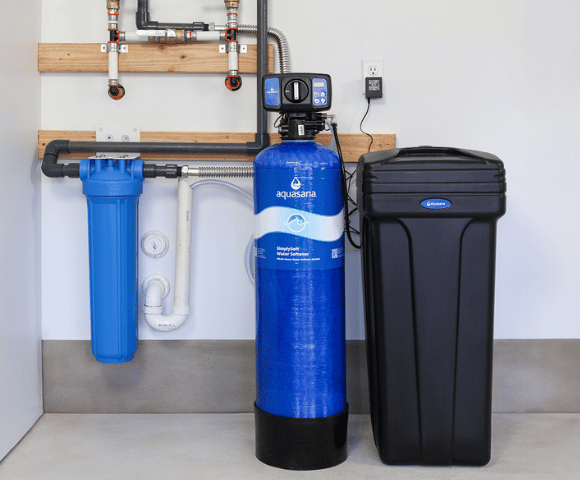
Not all softeners are created equal. The old-school, salt-based systems use ion exchange to swap calcium and magnesium ions with sodium or potassium. They’re effective—like, really effective—but they require maintenance. Salt refills, drainage, and a bit of upkeep.
Salt-free systems, on the other hand, don’t technically “soften” the water. They condition it, meaning the minerals remain but are prevented from bonding to surfaces. They’re low-maintenance, environmentally friendlier, and perfect for people who want an easier, chemical-free setup. But if you have seriously hard water, they might not be enough.
Your choice boils down to lifestyle, water quality, and how much elbow grease you’re willing to trade for convenience.
What You’ll Notice After Installation
This part? This is where the magic happens.
- Your skin? Smoother.
- Your hair? Less frizz, more shine.
- Your laundry? Softer, cleaner.
- Your appliances? Quieter, more efficient.
The difference is subtle at first, but it stacks up quickly. Showering becomes less of a chore and more of a spa moment. Your dishwasher suddenly doesn’t need a prayer and rinse-aid cocktail to deliver clear glassware. And your water heater? It runs like it’s ten years younger.
It’s not an exaggeration to say water softeners improve your quality of life. They tackle an issue you didn’t even realize was robbing you of comfort.
The Eco-Angle (Because It Matters)
Sure, a water softener adds convenience and savings, but there’s also the environmental impact to consider. Efficient water heaters use less power. Cleaner plumbing reduces the need for harsh chemical cleaners. Some systems even recycle or use minimal water during regeneration cycles.
If you’re trying to reduce your carbon footprint without giving up the little comforts in life, a smart softener setup is one way to get there—quietly, without fanfare.
Is It Worth the Investment?
Let’s be real: installing a softener isn’t always cheap. But compare the cost to replacing your water heater prematurely, fixing scale-damaged plumbing, or buying new towels every few months. It pays for itself over time. Not in flashy, obvious ways—but in smaller, smarter savings that add up.
Think of it as an invisible insurance policy. Except this one makes your skin feel nice, too.
Final Sip: It’s More Than Just Soft Water
In the end, investing in a water softening system isn’t about being fancy. It’s about paying attention to the little things that chip away at your home’s comfort and efficiency. Whether you’re fighting Phoenix’s notoriously tough water supply or just tired of soap that refuses to lather, there’s real value in softening the flow.
So next time your shower feels a little off, don’t just blame the shampoo. Look deeper—it might be time to let a water softener do what it does best: quietly make life feel better, one drop at a time.